When you are arranging a farewell for someone you love, the smallest details can suddenly feel enormous. Choosing a funeral celebrant is often one of the most important decisions, because the right person does far more than lead a service. They help shape the tone of the day, hold the room with calm assurance, and give family and friends the space to remember properly.
A funeral ceremony is not a formality to get through. At its best, it becomes a true reflection of a life – its character, relationships, values, humour, losses and milestones. That is why many families look beyond a standard script and choose a celebrant who can create something personal, respectful and beautifully delivered.
What a funeral celebrant actually does | Dorset & Hampshire
A funeral celebrant writes and leads a ceremony centred on the person who has died and the people left behind. That usually begins with a conversation, often when emotions are raw, and concentration is hard to come by. A good celebrant knows how to guide that conversation gently, asking thoughtful questions and helping families find the words they may not yet have.
From there, the celebrant shapes the service. This may include a welcome, a tribute, family memories, readings, musical selections, moments of reflection, and a closing farewell. Some families want a service that is quiet and traditional. Others want warmth, storytelling and a little lightness where it feels right. Neither approach is better than the other. It depends entirely on the person being honoured and the people gathering to remember them.
In Hampshire, where funerals may take place in crematoria, burial grounds, churches, woodland settings or family venues, flexibility matters. A celebrant should be comfortable adapting the ceremony to suit the setting while keeping the experience cohesive and dignified.
Why families choose a celebrant rather than a standard service
For many people, the decision comes down to personalisation. A standard funeral service may feel too limited if your loved one had a strong personality, an unconventional path, a mixed-faith background, or simply deserved something more individual.
A celebrant-led service gives families more freedom over tone and content. You may want to include favourite music that would not usually be heard in a traditional setting, invite several relatives to speak, or blend spiritual elements with a non-religious structure. You may want the ceremony to feel formal and elegant, or conversational and intimate. A skilled celebrant makes that possible without losing the sense of occasion.
There is also the human side of it. During bereavement, people are often balancing practical arrangements with shock, sadness and family dynamics. A calm, experienced celebrant can bring structure to what feels overwhelming. That reassurance matters just as much as the words spoken on the day.
What to look for in a funeral celebrant in Dorset & Hampshire.
The first quality is empathy, but empathy alone is not enough. A funeral celebrant also needs presence, judgement and professionalism. They must know when to lead, when to pause, and when to step back.
Look for someone who listens well and does not rush your conversations. You should feel that your memories are being heard, not simply collected. The best ceremonies are not assembled from stock phrases. They are written with care and shaped around real people.
Delivery is equally important. A beautifully written tribute can lose its impact if it is read flatly or without confidence. A good celebrant holds the room steadily, speaks with warmth and clarity, and creates a sense of safety for those attending. This becomes especially valuable if emotions rise, timings shift, or family members find it hard to take part as planned.
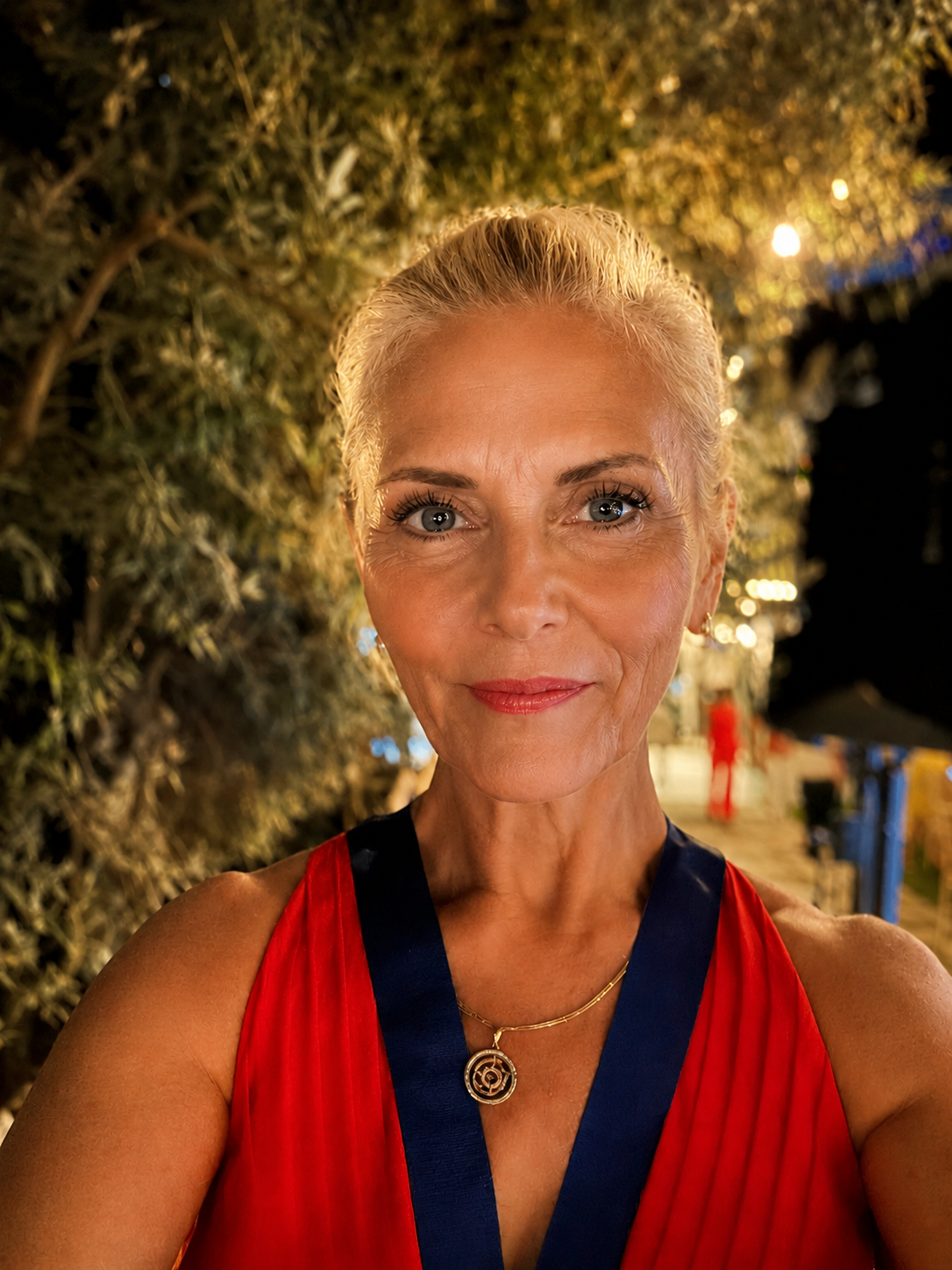
It is also worth considering practical experience. Funerals involve coordination with funeral directors, venue teams and sometimes clergy or family representatives. An experienced celebrant understands timings, etiquette and the quiet logistics that keep everything running smoothly. Celebrant Rosie Anstey is very experienced in burial ceremonies, which are very different to services in crematoriums.
Personalisation matters more than people realise
Families sometimes worry that asking for a personalised ceremony means making the service complicated. In reality, the opposite is often true. Personalisation gives clarity. It helps everyone present understand who this person was and why they mattered.
That might come through in very simple ways. A celebrant may weave in a favourite saying, mention a lifelong career, reflect a love of gardening or sailing, or acknowledge the role someone played as a parent, grandparent, friend or partner. Small details often carry the greatest emotional weight because they are recognisable and real.
There is room for nuance here. Not every life story is straightforward, and not every family relationship is easy. A thoughtful celebrant can handle complexity with sensitivity. They know how to honour a person honestly without forcing the tone into something it was not. Sometimes the right ceremony is tender and uplifting. Sometimes it is quieter, more reflective, and gently truthful. Both can be deeply meaningful.
Religious, non-religious and somewhere in between
One of the questions families often face is whether the funeral should be religious. In practice, many people sit somewhere in the middle. They may not want a fully faith-led service, but they still find comfort in a prayer, a blessing or a spiritual reading. Others prefer a completely non-religious ceremony focused entirely on memories and reflection.
A Hampshire funeral celebrant should be able to meet families where they are. The ceremony can include hymns, scripture or faith references if that feels right. It can also remain secular while still being heartfelt and ceremonial. There is no single correct formula. The aim is to create a farewell that feels genuine rather than prescribed.
This is especially important in modern families, where beliefs often differ across generations. A good celebrant can balance those expectations gracefully, helping everyone feel considered without losing the integrity of the service.
Questions worth asking before you choose
Before appointing a celebrant, it helps to ask how they work. Do they meet with you in person or by phone? Will they write a fully bespoke tribute? Can you review the ceremony before the day? How do they approach services that include difficult family circumstances, humour, or mixed beliefs?
You may also want to ask about their style. Some celebrants are very formal, while others are softer and more conversational. Again, this is not about right or wrong. It is about fit. The person leading the service should feel appropriate for your loved one and reassuring for your family.
If you are speaking with someone and feel hurried, unheard, or slightly managed, trust that instinct. In contrast, when a celebrant is the right match, families often feel a sense of relief quite quickly. Even in grief, that calm confidence can be unmistakable.
The value of local understanding
Choosing someone familiar with Hampshire can be helpful, not because geography is everything, but because local knowledge can make arrangements feel easier. An experienced celebrant may already know the flow and practicalities of local crematoria or burial venues, understand likely timings, and work comfortably alongside funeral directors in the area.
That said, local knowledge should support the service, not define it. The heart of the choice is still the relationship. Families need someone who can understand their person, their preferences and the atmosphere they hope to create.
For those who want a ceremony that feels polished as well as personal, that balance of compassion and organisation is especially valuable. It is one of the reasons many families seek out an experienced professional rather than leaving the wording and flow to chance.
When the ceremony becomes part of healing
No funeral removes grief. What it can do is give grief a place to go. It can gather stories, recognise love, and mark the reality of a life that mattered. Done well, it helps people leave not feeling finished with their loss, but feeling that they have truly said goodbye.
That is the quiet value of a carefully chosen celebrant. They are there to hold the shape of the day, but also to make space for memory, emotion and connection. If you are searching for a Hampshire funeral celebrant, look for someone who brings both heart and steadiness – someone who can listen with care, write with honesty and lead with grace.
At a time when so much feels heavy, the right ceremony can offer something gentle but powerful: a farewell that feels like them.
A Beautiful Goodbye.
If you would like some guidance about funerals, do read my book: A Beautiful Goodbye: A Practical and Compassionate Guide to Creating a Meaningful Funeral, Memorial or Celebration of Life by Celebrant Rosie Anstey.
Contact Celebrant Rosie Anstey
“If you’re arranging a funeral, or celebration of life in Dorset or Hampshire and would like a truly personal ceremony written from scratch, please get in touch. I would be honoured to help you create a farewell that reflects your loved one’s unique life, values and story.” Celebrant Rosie Anstey