When you type funeral celebrant near me into a search bar, you are rarely looking for a name on a list. You are looking for someone who can hold a room with care, listen without rushing, and help you create a farewell that feels right for the person you love.
That is a very different job from simply turning up and reading a script. A good funeral celebrant brings calm, structure, and sensitivity at a time when families often feel stretched in every direction. They help shape a ceremony that reflects a life, not just in a formal way.
What a funeral celebrant near me actually does
A funeral celebrant writes and leads a personalised ceremony. That usually begins with a conversation about the person who has died – their character, values, family life, humour, achievements, beliefs, and the way they should be remembered.
From there, the celebrant creates the flow of the service. They may help with music choices, readings, moments of reflection, family tributes, and the wording used throughout. On the day itself, they lead the ceremony with warmth and composure, making sure everything feels respectful, clear, and well-paced.
This matters because the ceremony often sets the emotional tone for the day. If it is too generic, too hurried, or poorly delivered, families can feel something important has been missed. If it is thoughtful and well held, it can offer real comfort.
Why do families search for a funeral celebrant near me
Many people want something more personal than a standard service. That does not always mean elaborate. Often it means honest, well-judged, and centred on the individual rather than a template.
Some families want a non-religious ceremony. Others want faith acknowledged, but gently or inclusively. Some need a celebrant who can navigate blended families, estrangements, cultural traditions, or sensitive dynamics without making anyone feel overlooked. These are not small details. They are often the heart of the day.
Locality matters too, but perhaps not in the way people first assume. A nearby celebrant may know the venue, understand the area, and be able to meet in person if that feels easier. Just as important, though, is whether they make you feel heard. The right fit is not only about postcode.
How to choose the right celebrant
The first thing to look for is not style, but steadiness. In grief, families need someone who can be both compassionate and organised. A celebrant should be warm, yes, but they should also know how to guide a process, ask the right questions, and manage the ceremony with quiet confidence.
Their writing matters. A well-written funeral tribute does more than list facts. It captures character. It finds the right balance between tenderness and clarity, and it avoids sounding theatrical or impersonal. If you can read examples of their work or get a sense of how they speak about ceremonies, that can be very helpful.
Delivery matters just as much. The best celebrants know how to read a room. They understand when to pause, when to keep things moving, and how to hold emotion without becoming the centre of attention themselves.
It is also worth thinking about how bespoke their service really is. Some celebrants offer genuinely tailored ceremonies built from detailed conversations. Others work from a more fixed format. Neither approach is automatically wrong, but if personalisation is important to you, ask directly how the ceremony is created.
Questions to ask when comparing celebrants
You do not need an exhaustive checklist, especially if you are arranging a funeral under pressure. A few clear questions can tell you a great deal.
Ask how they gather information about the person who has died. Ask whether the script is written from scratch. Ask how they handle family contributions if several people want to speak, or if someone is unsure whether they can manage it on the day. It is also sensible to ask what happens if plans change, emotions run high, or timings shift.
Their answers should feel calm and practical. You are not looking for polished sales language. You are looking for reassurance, flexibility, and experience.
If you need a ceremony that reflects a particular culture, family tradition, or mixed-belief background, raise that early. A confident celebrant will talk openly about what they can offer and where there may be choices to make.
Personalisation does not have to mean complicated
One of the most common worries families have is that a personalised funeral will be harder to arrange. In practice, a good celebrant makes it easier.
Personal touches can be simple. A favourite piece of music, a story that captures someone’s humour, a reading that means something to the family, or a few carefully chosen lines about how they lived can be enough to make the service feel deeply real.
Not every family wants an overtly emotional ceremony. Some prefer understated dignity. Some want warmth and lightness alongside sadness. Some want to include laughter because that would be true to the person being remembered. There is no single correct tone. What matters is that the ceremony feels authentic.
That is why it helps to work with someone who does not impose a style. The right celebrant adapts to the family, the individual, and the atmosphere you want to create.
Practical things that make a difference
In the middle of funeral arrangements, practical support can feel just as valuable as emotional support. A strong celebrant will usually be clear about timelines, communication, and what they need from you at each stage.
That clarity matters. Families are often coordinating funeral directors, venues, music, orders of service, and relatives travelling from different places. A celebrant who is responsive and well organised can remove a surprising amount of pressure.
It is also helpful if they are comfortable working alongside other professionals. Funerals run most smoothly when everyone involved understands their role and communicates well. Quiet coordination behind the scenes is part of what makes a ceremony feel calm and effortless on the surface.
For families in the Southern Counties, London, or further afield, experience across different venues and settings can be especially valuable. Whether the service is taking place at a crematorium, burial ground, private venue, or somewhere more unusual, the celebrant should be able to adapt without fuss.
When local is helpful and when experience matters more
Searching for a funeral celebrant near me makes perfect sense. You may want somebody close enough to meet face to face, familiar with local venues, or available at short notice.
But if you find someone slightly further away who feels exactly right, do not dismiss them too quickly. Many experienced celebrants work across wider areas, and for the right family, that broader reach can be worth it. This is especially true if you need someone with experience in multicultural ceremonies, complex family situations, or a very particular tone.
It depends on what matters most to you. For some families, convenience will be the deciding factor. For others, the quality of the relationship and the confidence they inspire will matter more.
The value of being properly supported
A funeral is one day, but its memory lasts. Families often remember not only what was said, but how they were guided through it.
The right celebrant can help you feel less alone in the process. They can turn fragments of memory into a coherent tribute, bring shape to a difficult day, and create space for reflection without stiffness or formality for its own sake.
That support is particularly meaningful when circumstances are hard – perhaps the death was sudden, family members disagree on the right approach, or there is pressure to arrange everything quickly. In those moments, calm professional guidance is not a luxury. It is part of what helps the day hold together.
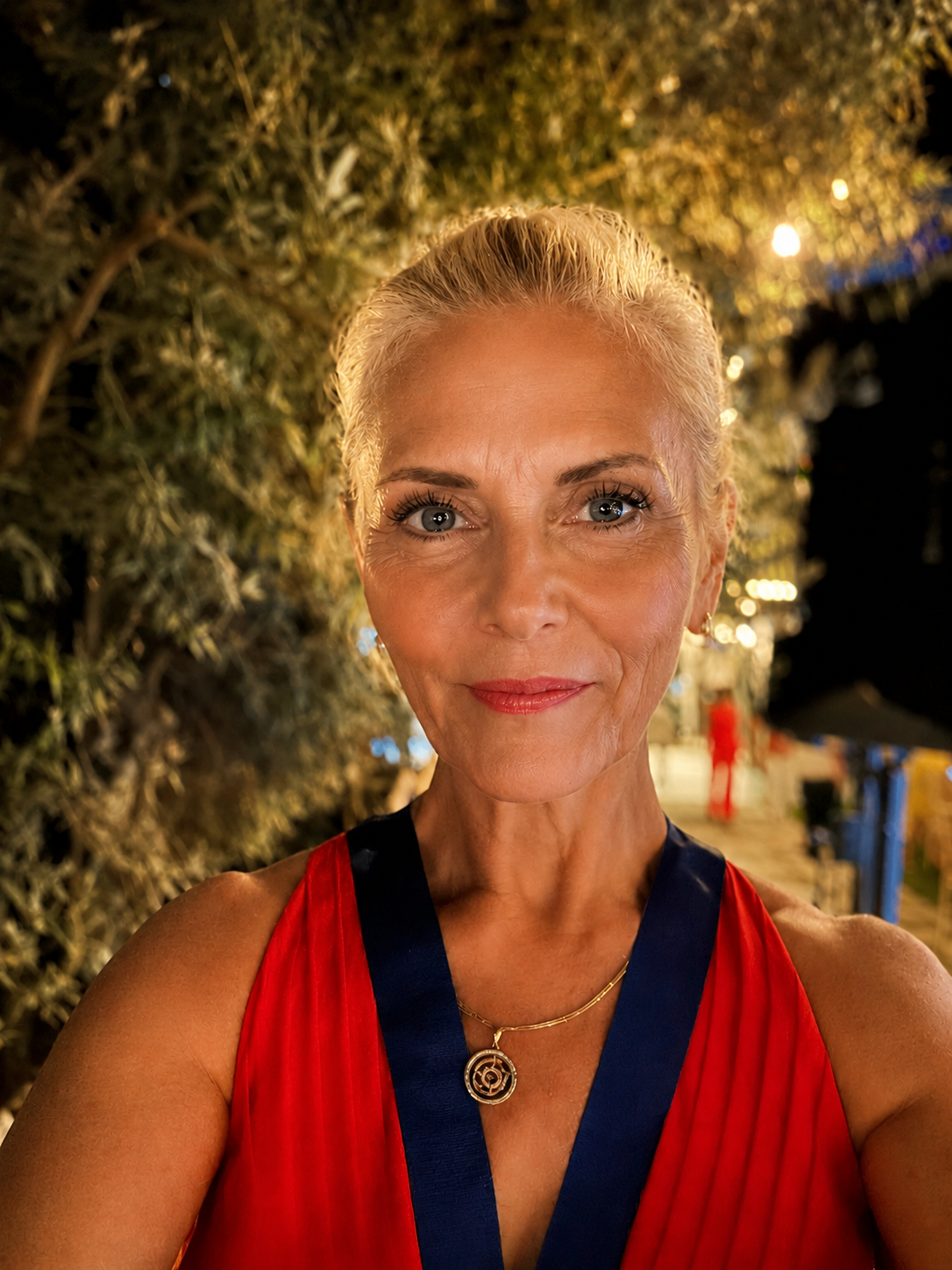
Someone like Celebrant Rosie Anstey, whose work centres on bespoke, carefully led ceremonies, understands that families need both heart and structure. That combination is often what allows a farewell to feel personal without becoming overwhelming.
Her book,
Trust your instinct
When you search for a funeral celebrant near me, don’t just choose the first person. Find the right person for you and your family. When you speak to a celebrant, notice how you feel. Do they listen properly? Do they make space for the person behind the paperwork? Do they sound as though they understand that this ceremony matters beyond the timetable?
Professionalism is essential, but warmth is too. You should not feel pressured. You should feel supported.
Finding the right celebrant is about more than filling a role. It is about choosing the person who can help you honour a life with grace, care, and the kind of attention that makes a farewell feel truly their own.
If you are searching for a funeral celebrant near me, look for the one who brings steadiness as well as sympathy. At a difficult time, that quiet assurance can make all the difference.