When someone you love dies, the pressure to make quick decisions can feel overwhelming. A guide to celebration of life planning should do more than list tasks – it should help you create a farewell that feels true to the person, while giving you a little steadiness at a difficult time.
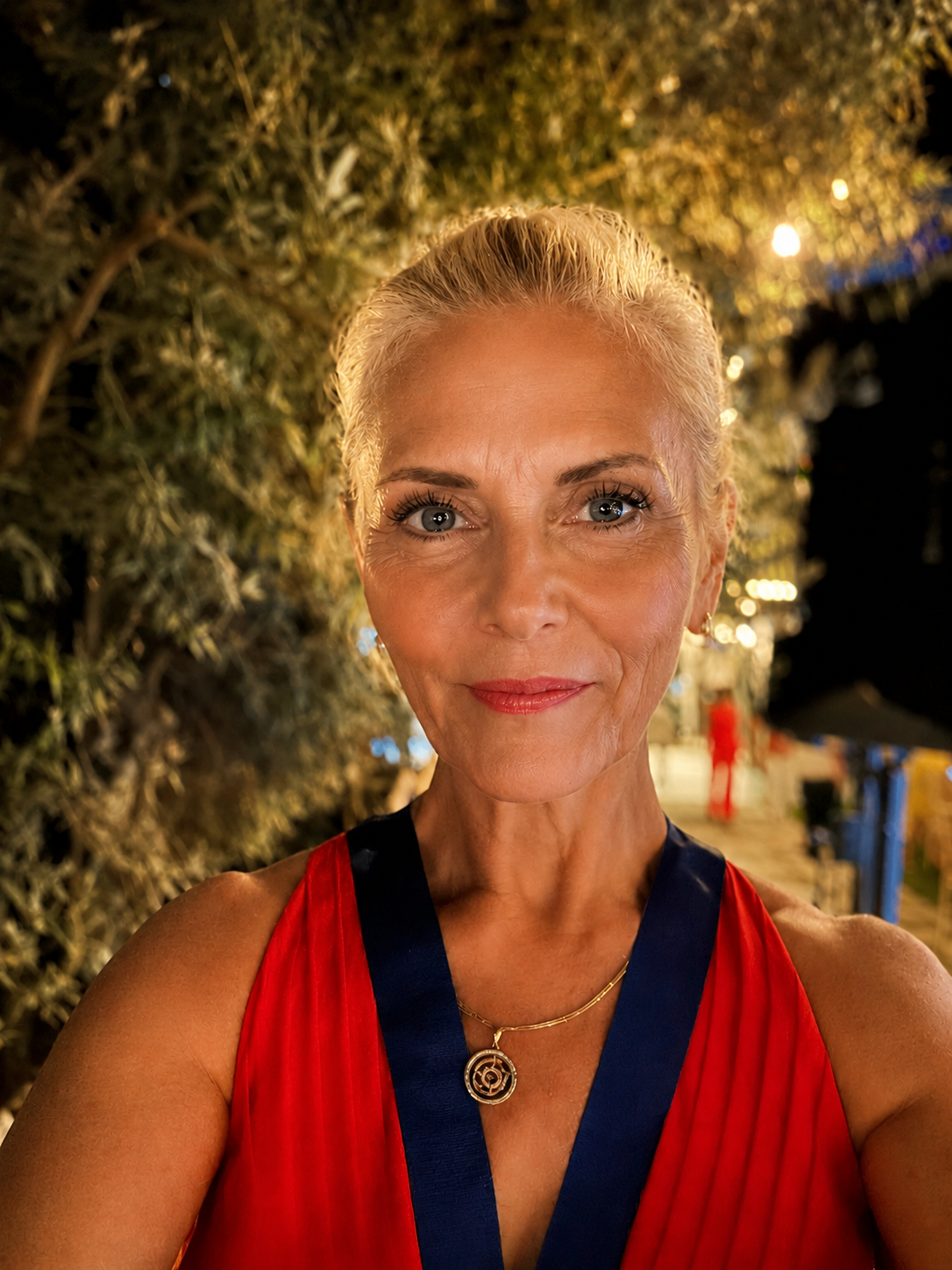
As an experienced funeral celebrant, I help families by visiting them and learning about their loved one. I listen to them, and together we decide how I will structure a ceremony to honour their loved one and celebrate their life.
A celebration of life is not about making loss feel lighter than it is. It is about making space for the whole person – their character, values, humour, relationships and the way they made people feel. For some families, that means a gentle, reflective gathering. For others, it means colour, music, stories and a room full of laughter through tears. There is no single right format. The best ceremony is the one that fits.
What celebration of life planning really involves
Celebration of life planning sits somewhere between emotional care and practical organisation. You are not only arranging an event. You are shaping an experience that helps family and friends remember, mourn and connect.
That usually begins with a simple question: what would feel most like them? Some people would have wanted something elegant and formal. Others would have preferred a relaxed gathering with favourite songs, open storytelling and very little structure. If the person who has died left clear wishes, they should guide the tone. If not, the people closest to them can build a ceremony around shared memories and what feels honest.
It also helps to recognise that a celebration of life does not have to follow the same shape as a traditional funeral. It can take place before or after a cremation or burial, or entirely separately. That flexibility can be a real comfort. It allows families to deal with essential arrangements first, then plan a more personal event when there is time to think clearly.
Guide to celebration of life planning: start with the person
The strongest ceremonies are grounded in detail. Not generic praise, but real moments and recognisable truths. Think about how they spent their time, the phrases they always used, the music they loved, the causes they cared about, the recipes they were known for, the holidays they returned to, the people they quietly supported.
This material becomes the heart of the ceremony. It may shape the opening words, the choice of readings, the music played on arrival, the stories shared by family, even the setting itself. If someone loved the sea, a coastal venue or subtle nautical touches may feel fitting. If they were deeply family-centred, involving children or grandchildren may matter more than polished formality.
At this stage, many families find it useful to gather memories from a wider circle. One person may remember their generosity, another their wit, another their resilience. Together, those pieces create a fuller portrait. If emotions are running high, having an experienced celebrant guide those conversations can make everything feel more manageable and bring shape to what might otherwise feel scattered.
Choosing the right setting and timing
Venue and timing influence the mood more than many people expect. A crematorium chapel may be the right choice for some. For others, a hotel lounge, village hall, family garden, private club or meaningful local venue feels far more personal.
Practicalities matter here. Consider accessibility, parking, seating, sound quality and whether the space allows the style of ceremony you have in mind. A beautifully personal tribute can lose some of its warmth if guests cannot hear the speakers or if the room feels too small and hurried.
Timing also deserves thought. An event held very soon after the death may feel right for families who want immediate togetherness. Others benefit from waiting a little longer, especially if relatives are travelling from abroad or if there is value in creating something more considered. There is no prize for speed. Sometimes a small pause allows for a more meaningful farewell.
Creating the shape of the ceremony
A good celebration of life has flow. It should feel natural rather than stiff, but it still needs structure. Without that, even the most heartfelt gathering can become uncertain or emotionally draining.
A typical ceremony may include welcome words, a reflection on the person’s life, music, readings, family tributes, a moment of quiet, and a closing farewell. That said, it depends entirely on the family and the individual being honoured. Some ceremonies are led almost entirely by storytelling. Others include spiritual elements, cultural traditions, or symbolic acts such as candle lighting, memory stones or a toast.
The key is balance. Too much formality can make the event feel distant. Too little guidance can leave people unsure when to speak, move or participate. This is where careful planning makes a real difference. A ceremony should feel effortless to guests, even though it has been thoughtfully held together behind the scenes.
Personal touches that genuinely add meaning
Not every personal detail needs to be grand. In fact, the smaller touches are often the most moving. A displayed collection of photographs, a table of favourite books, a playlist chosen from their own music library, or printed memory cards for guests to write on can all deepen the sense of connection.
Food and drink can also play a part, especially if the gathering continues afterwards. Serving something they loved, whether that is homemade cake, sparkling wine or a proper cup of tea, can make remembrance feel grounded and familiar.
The trade-off is that too many ideas can crowd the day. If every possible tribute is included, the ceremony can become overfull. Choose the touches that say the most with the least fuss.
Managing family dynamics with care
Celebration of life planning is rarely only about logistics. Families may be grieving in different ways, and different views often emerge about tone, faith, wording or who should be involved.
That does not mean something is going wrong. It simply means emotions, history and love are all present in the room. The most helpful approach is usually to come back to the central purpose: what best honours the person who has died, and what will support those gathered?
If there are strong differences, clarity around roles can help. Decide who is making final decisions, who is speaking, and who is handling practical arrangements. Gentle boundaries can reduce stress. So can having a professional lead the ceremony, coordinate contributors and hold the tone with confidence and compassion.
Should the ceremony be religious, spiritual or non-religious?
This is one of the most common questions, and the answer is often more layered than families expect. A person may not have been formally religious but may still have valued prayer, sacred music or certain traditions. Others may have had a strong humanist outlook and wanted language that stayed entirely secular.
There is room for nuance. A ceremony can be mostly non-religious while still including a hymn meaningful to older relatives. It can acknowledge spirituality without becoming overtly faith-led. What matters is that the content feels respectful and coherent, not as though it is trying to please everyone equally and losing its centre in the process.
Why professional support can change the experience
During bereavement, people often underestimate how much there is to hold. Writing and delivering a ceremony, coordinating speakers, managing timing, liaising with the venue, checking music, welcoming guests and keeping the day calm requires both sensitivity and experience.
Working with a celebrant can ease that load significantly. A skilled celebrant does not just write beautiful words. They help draw out memories, shape a fitting tone, handle difficult details with tact and lead the ceremony so that family members can be present in the moment rather than worrying about what happens next.
For families planning across different locations, or where loved ones are travelling from elsewhere in the UK or overseas, that professional guidance can be especially valuable. It creates continuity and reassurance when there are already many moving parts.
A celebration of life can be planned in advance
Not all celebration of life planning happens after a death. More people are now choosing to record their wishes in advance, and it can be an extraordinary gift to leave behind. I offer a pre-planning service where I write ceremonies for people whilst they are still alive. This allows them the opportunity to have everything done the way they would like it. You can find out more about pre-planning your ceremony here.
Pre-planning does not need to be sombre. It can be thoughtful, practical and even comforting. You might note the kind of ceremony you would want, the music you would choose, whether you prefer a bright or quiet tone, who you would like involved, and what matters most to you. That guidance can spare family from second-guessing and help them feel confident they are honouring you well.
Of course, plans should leave some flexibility. Families may need to adapt details depending on circumstances, budget or what feels right at the time. The aim is not rigid control. It is clarity, generosity and peace of mind.
A well-planned celebration of life does not erase grief, nor should it. What it can do is give grief a setting, a voice and a sense of shared meaning. When a farewell is personal, well held and full of genuine recognition, people leave feeling they have truly spent time with that person’s story again – and that is often where comfort quietly begins.
Contact Rosie
If you would like assistance with planning a celebration of life ceremony, please do send me an email or complete my contact form
My book:
A Beautiful Goodbye: A Practical and Compassionate Guide to Creating a Meaningful Funeral, Memorial or Celebration of Life. You can buy your copy on Kindle by clicking the link below.