You can choose the most beautiful setting in the world, but if the ceremony feels flat, rushed, or impersonal, the day will never quite land in the way you hoped. That is why a thoughtful guide to destination wedding ceremonies matters so much. The ceremony is the emotional heart of the celebration – the moment everyone remembers, and the part that should sound and feel unmistakably like you.
Planning a wedding abroad brings a particular kind of excitement. It also brings decisions that couples planning at home do not always have to face, from legal paperwork and language barriers to weather, guest travel and local customs. None of that needs to take the romance out of it. It simply means your ceremony deserves careful attention from the start.
What makes destination wedding ceremonies different?
A destination wedding ceremony often has a lighter, more relaxed atmosphere than a traditional home-based wedding, but behind that ease, there is usually more planning. You are not only thinking about vows and music. You are considering the setting, the season, the practicalities of travel, the comfort of your guests, and whether the ceremony will be legally binding where you are marrying.
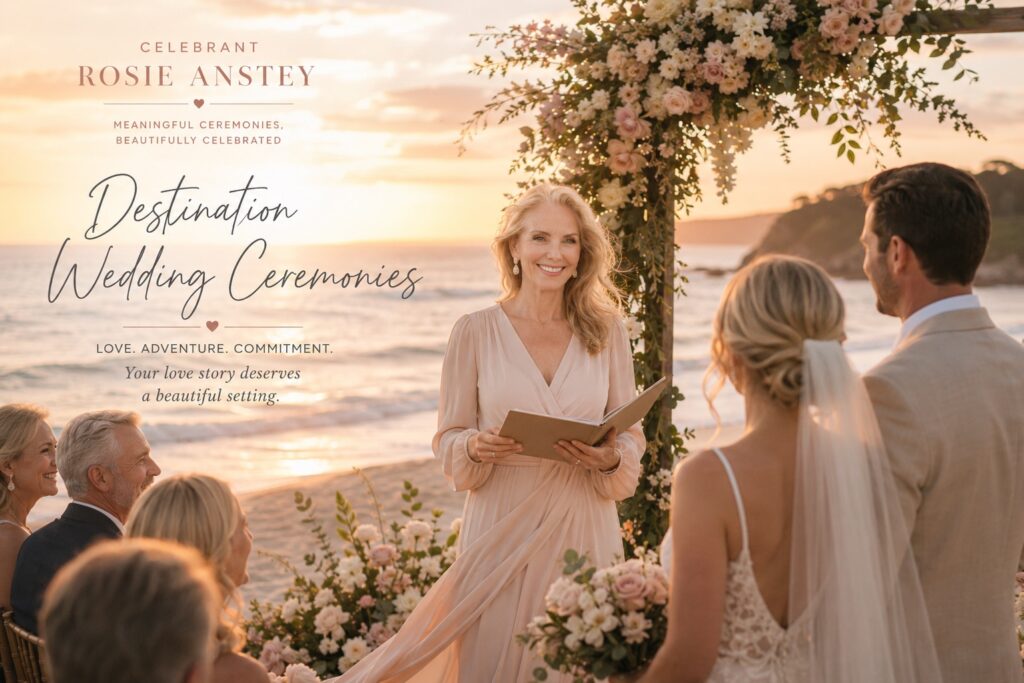
That mix is exactly why destination weddings can be so special. You have more freedom to shape the experience around your relationship, your family, and the place you have chosen. A clifftop ceremony in Cyprus may call for something elegant and sun-soaked. A villa wedding in southern Europe may suit a warm, intimate tone with multilingual readings. A beach ceremony may sound dreamy, but it needs very careful timing, sound planning, and realistic expectations about wind, heat, and privacy.
The best ceremonies abroad feel effortless to guests because the details have been considered properly in advance.
Start with the legal side, then build the meaningful side
This is the part many couples are tempted to leave until later, but it should be one of the first conversations you have. Not every destination wedding ceremony is legally recognised in the same way, and requirements vary from country to country.
For some couples, the simplest route is to complete the legal marriage in the UK and hold a fully personalised celebrant-led ceremony abroad. This gives you much more creative freedom. A standard script does restrict you, but there is often less pressure on timings and paperwork on the day itself.
For others, having the legal ceremony in the destination itself is part of the dream. That can absolutely work, but it usually requires earlier document preparation, a clear understanding of local rules, and enough time built into your travel plans. If either of you has been married before, if your documents need to be translated, or if your guest list includes cultural or faith-based expectations, the process may require extra care.
There is no single right answer here. It depends on what matters most to you: legal simplicity, symbolic significance, or having every part of the wedding happen in one place.
A guide to destination wedding ceremonies that feel personal
The setting may be extraordinary, but a ceremony only becomes memorable when it reflects your story. Personalisation should not mean adding endless extras. It means choosing the right details with intention.
Start with the tone. Do you want something romantic and classic, relaxed and joyful, or polished with a little humour? A destination wedding often invites a more informal atmosphere, but that does not mean the ceremony should lose structure. In fact, when guests have travelled far, a well-led ceremony feels even more valuable. It gives everyone a sense of occasion and draws them into the moment.
Your wording matters enormously. The welcome, the way your relationship is described, the promises you make to one another, and the closing words all shape the emotional rhythm of the ceremony. This is where a bespoke celebrant-led approach can make such a difference. Rather than fitting yourselves into a standard script, the ceremony is written around you.
That might include the story of how you met, a nod to children or blended family life, references to shared heritage, or readings that feel genuinely meaningful rather than simply traditional. If you are marrying abroad because a destination has personal significance, perhaps through family roots or a favourite place you have returned to over the years, that can also be woven in beautifully.
Think carefully about your guests’ experience
Destination weddings are wonderfully immersive, but they ask more of guests than a local wedding. People may be dealing with flights, accommodation, heat, unfamiliar surroundings, and extra costs. A ceremony that respects that experience will always feel more gracious and inclusive.
Timing is a very good example. Midday may look ideal on paper, but in a hot climate, it can be uncomfortable for everyone, especially older relatives, young children, and anyone standing in formal wear. Later afternoon often creates better light, a gentler temperature, and a calmer atmosphere.
Language is another important consideration. If you are bringing together guests from different countries or backgrounds, small adjustments can make a big difference. A bilingual welcome, a reading in a family language, or a brief explanation of a symbolic ritual can help everyone feel part of the occasion rather than simply watching it.
Accessibility deserves equal thought. A venue with stunning views but difficult paths, steep steps, or limited shade may not suit every guest. Beauty matters, of course, but so does comfort. The most elegant weddings usually balance both.
Culture, faith, and family traditions
One of the loveliest things about destination weddings is the way they can bring different cultures and traditions together in one place. That said, blending expectations needs sensitivity. Families may have very different ideas about what a wedding ceremony should include, how formal it should feel, or what role religion ought to play.
This is where honest conversation is far better than quiet assumption. If one family expects a prayer and the other imagines a completely secular ceremony, it is worth addressing that early. There is often a middle ground that feels respectful without losing authenticity.
A personalised ceremony can hold many layers at once. It may include a faith-informed blessing without becoming fully religious. It may honour cultural heritage through music, rituals, or family participation while still feeling contemporary and relaxed. The aim is not to please everyone at the expense of yourselves. It is to create a ceremony that feels true to you while making space for the people who matter most. Take a look at the rituals and special elements, which I can incorporate into your ceremony.
Practical details that shape the ceremony
Guide to destination wedding ceremony planning
Some of the most important decisions are not the glamorous ones. They are the details that protect the ceremony from avoidable stress.
Sound is a perfect example. In open-air venues, waves, wind, and guest chatter can swallow even the most beautiful words. A proper microphone and speaker set-up is not an indulgence. It is often essential.
The same is true of ceremony length. Abroad, shorter is not always better, but neither is overloading the script because the setting is special. For most couples, twenty to thirty minutes is a very comfortable sweet spot. Long enough to feel meaningful, short enough to keep guests engaged in the heat.
Plan B matters too. If you are marrying outdoors, ask what happens if there is strong wind, unexpected rain, or intense sun. Even in famously reliable climates, conditions can shift. Calm contingency planning is part of good hosting.
It is also wise to think about who is guiding the flow. A wedding abroad often involves multiple suppliers, a venue team, transport timing, and guests who are unfamiliar with the setting. Having someone who can lead the ceremony and, where needed, support the wider running order can make the day feel far more relaxed. For couples marrying in Cyprus or further afield, that kind of experienced ceremonial leadership often becomes invaluable very quickly.
How far in advance should you plan?
Earlier than you think, particularly if you want a specific venue, travel season, or supplier team. Destination weddings involve more moving parts, and the ceremony should not be treated as something to sort out once the visible pieces are booked.
Ideally, begin discussing the ceremony as soon as your date and location are taking shape. That gives you time to decide whether the legal marriage will happen abroad or in the UK, what style of ceremony suits you, and how cultural, family, or logistical factors may affect your choices.
If you are planning from overseas, regular communication becomes even more important. Clear guidance, thoughtful drafting, and a calm, experienced hand can save a great deal of last-minute worry.
The ceremony should sound and feel like you, not like a template
There is a noticeable difference between a ceremony that fills a slot in the day and one that genuinely anchors it. Guests may not always be able to explain why, but they feel it. The words land more deeply. The laughter comes more naturally. The emotion feels earned rather than staged.
That is the real value of treating your ceremony as more than a formality. In a destination wedding, especially where every detail requires intention, the ceremony should carry that same level of care. It should fit the location, respect the practical realities, and still leave room for warmth, personality, and joy.
If you are planning to marry abroad, let the setting be beautiful, certainly. But let the ceremony do the deeper work – gathering your people, reflecting your story, and creating the moment that makes the whole journey feel worthwhile.
Contact Me To Start Planning Your Destination Wedding Ceremony.