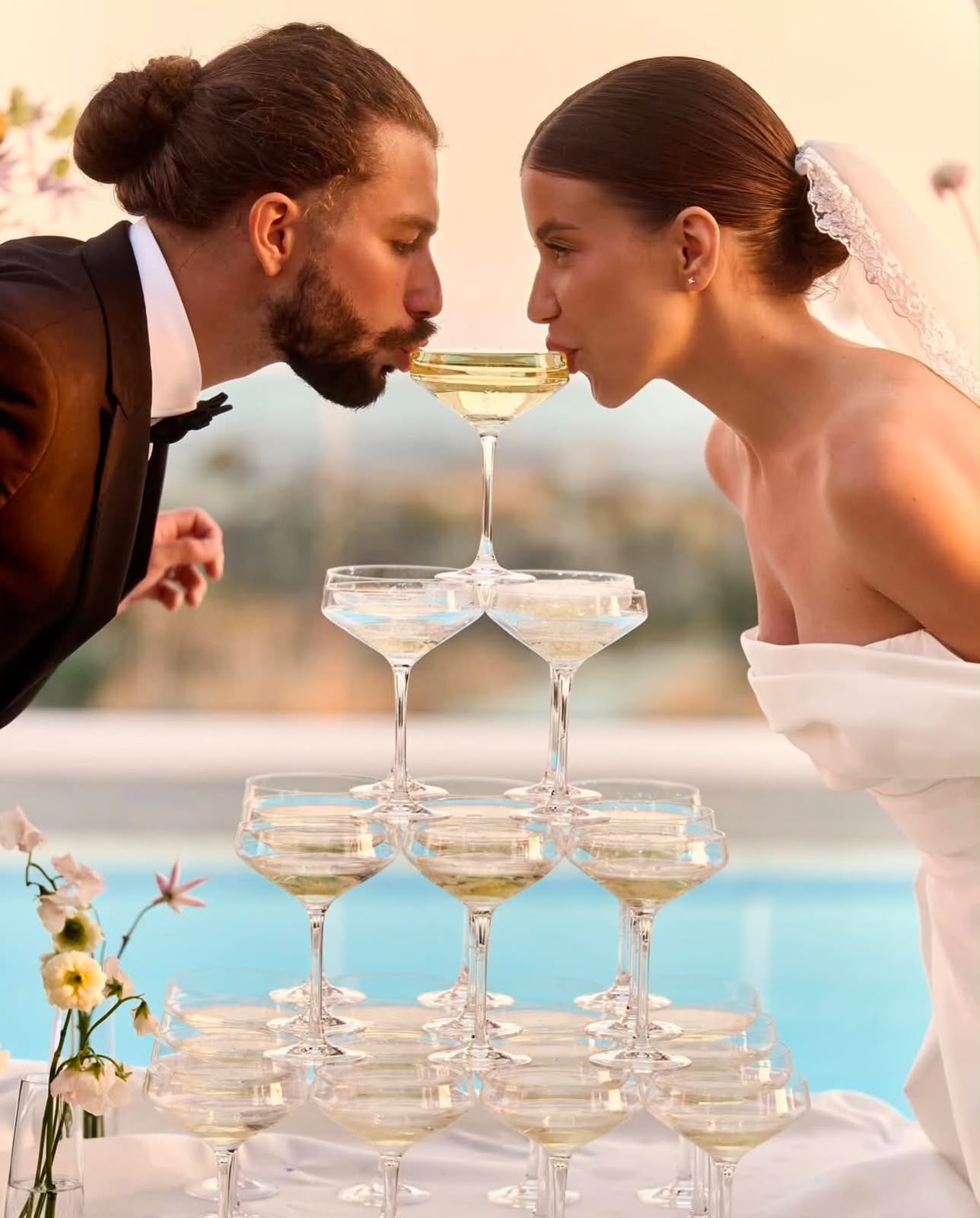
When a couple wants their wedding to honour both their Muslim faith and their wider life together, the ceremony needs care, tact, and real understanding. A civil wedding celebrant is often part of that conversation, especially for couples who want something personal, respectful, and beautifully balanced rather than a one-size-fits-all format. Your celebrant does not need to be Muslim; however, they will respect your faith and customs.
That can mean including Islamic values alongside a civil-style ceremony that feels welcoming to guests from different backgrounds. For others, it means creating a celebration around a legal wedding that has already taken place, so the day itself can reflect faith, family, and personality in equal measure. There is no single model that suits every couple, and that is exactly why choosing the right celebrant matters.
What does a civil wedding celebrant actually do at a Muslim wedding?
The phrase can mean slightly different things depending on the couple, the country, and the legal requirements in the place where the wedding is taking place. In practical terms, a celebrant in this setting helps design and conduct a ceremony that respects Muslim beliefs and traditions while also reflecting the couple’s relationship, family dynamics, and hopes for married life.
That may include readings, blessings, a welcome that acknowledges both families, carefully chosen wording around commitment and marriage, and moments that honour cultural heritage without making anyone feel like an outsider. If the couple is hosting a destination wedding or marrying away from their home country, the role can also involve helping them understand what is ceremonial and what is legally binding.
This distinction is important. A celebrant-led ceremony is not the legal act of marriage itself. The legal marriage may need to happen separately through a register office or according to local law. For many couples, that is not a drawback at all. It often gives more freedom to create a wedding ceremony that feels deeply personal and culturally sensitive.
Faith, legality, and personalisation
One of the biggest worries couples have is getting the balance right. They do not want a ceremony that feels too generic, but they also do not want to handle faith traditions in a tokenistic way. A good civil wedding celebrant understands that this is not about borrowing a few familiar phrases and hoping for the best. It is about listening carefully and shaping something with genuine respect.
For Muslim couples, or where one partner is Muslim and the other is not, there can be several layers to consider. Some families may expect a nikah conducted by an imam. Others may be very open to a celebrant-led ceremony that sits alongside a separate religious or legal process. Some couples want Quranic readings or references to mercy, partnership, and shared values within marriage. Others prefer a lighter touch, with the focus on the love story and the joining of the two families.
It depends on what matters most to you, and who needs to feel seen and reassured on the wedding day. Weddings are personal, but they are also relational. A thoughtful ceremony can make space for both.
When a celebrant is the right choice
A celebrant is often the right choice when you want flexibility without losing meaning. That might be because you are blending cultures, planning a wedding abroad, or trying to create a ceremony that feels elegant and inclusive for guests with different beliefs.
Celebrant-led wedding ceremonies can work especially well if you want the atmosphere to feel warm and heartfelt rather than purely administrative. It allows time for your love story, your values, and the tone you want to set. If faith is part of your life, but your wedding also needs to welcome family and friends from different traditions, a bespoke ceremony can bring those elements together in a natural way.
This is also helpful for second marriages, later-in-life weddings, and vow renewals, where couples often want something with emotional depth and maturity. They are usually less interested in convention for its own sake and more interested in a ceremony that feels honest.
Questions to ask a civil wedding celebrant
The most useful starting point is not, “Can you do a Muslim wedding?” It is, “How would you help us create a ceremony that respects our beliefs and our families?” The answer should feel considered, not rehearsed. Your celebrant may not have the same religious beliefs as you. They should be respectful and work with clients of every belief, as well as those with no belief at all.
How does the celebrant approach cultural and religious sensitivity? Ask whether they are comfortable working alongside an imam, a family elder, or a separate legal process. How will they gather information about your love story, and what do they do when families have different expectations?
You should also ask practical questions. What parts of the ceremony can be personalised? How do they handle the pronunciation of names, Arabic terms, or family contributions? If your wedding is abroad, what experience do they have with destination ceremonies and local logistics?
Confidence matters here, but so does humility. The right celebrant will be experienced enough to guide you and respectful enough not to assume.
Creating a ceremony that feels true to you
The strongest ceremonies are rarely the busiest. They are the ones where every element has a reason to be there. If you are planning a Muslim and civil-inspired wedding ceremony, think about what you want guests to feel as much as what you want them to hear.
Do you want the ceremony to feel reverent, joyful, intimate, or celebratory? Would you like to include a reading from the Quran, a reflection on marriage in Islam, personal vows, family blessings, or a moment of quiet prayer? Is it helpful for the celebrant to explain certain elements so that all guests can follow and feel included?
These choices shape the emotional tone of the day. They also help avoid a ceremony that feels stitched together from conflicting parts. The aim is not to please everyone equally at every moment. It is to create something coherent, generous, and meaningful.
Blended families, mixed faith backgrounds, and family expectations
This is often where expert guidance is most valuable. A couple may be completely united in what they want, yet still feel anxious about how their families will respond. One side may expect stronger religious references. The other may be unfamiliar with Muslim customs and unsure of what to expect.
A skilled celebrant can ease that pressure by designing a ceremony that is clear, respectful, and well-paced. Often, that means including a gentle explanation within the script. Sometimes it means giving a parent or relative a role so they feel involved. Sometimes it means being honest that not every expectation can or should be met.
That balance takes diplomacy. It also takes warmth. Couples need to feel supported, not pushed in any direction.
Destination weddings and cross-border planning
If you are marrying abroad, the need for clarity becomes even greater. The legalities may differ from the UK, and the distinction between a symbolic ceremony and a legal marriage can affect your planning. This is particularly relevant for couples choosing Cyprus or another destination where they envisage a beautiful setting without losing the personal and cultural significance of the ceremony.
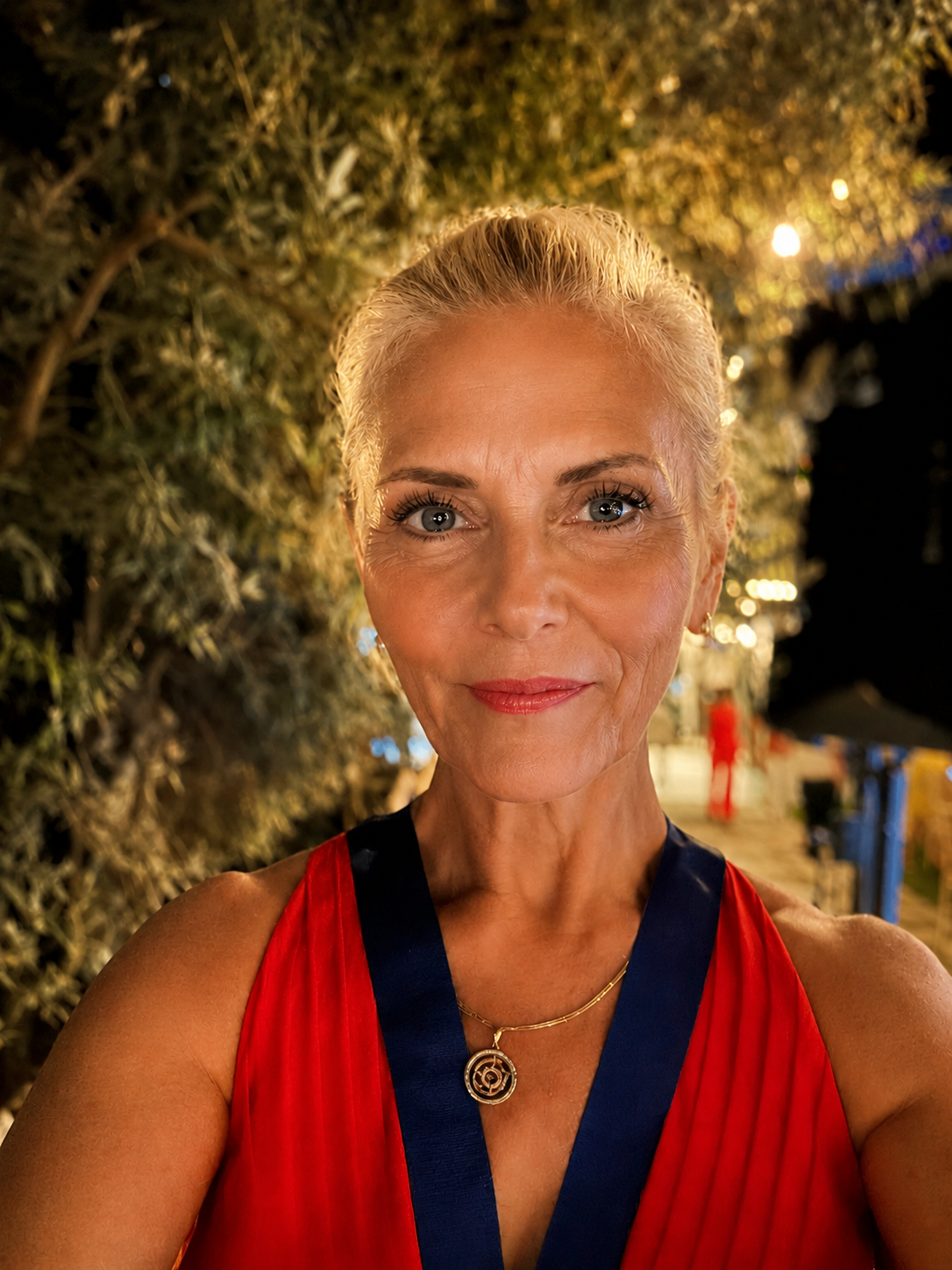
In those cases, working with someone who understands both ceremony design and the flow of the day can be a real advantage. An experienced celebrant who can hold the emotional heart of the ceremony while also helping everything run smoothly brings a sense of calm that couples and families truly value. That is one of the reasons many couples choose experienced professionals such as Celebrant Rosie Anstey for bespoke celebrations in the UK and destination weddings.
The right ceremony should never feel like a compromise
There is a common assumption that when couples try to honour more than one tradition, everyone ends up with a diluted version of what they really wanted. In practice, the opposite can be true. With care and expertise, a ceremony can become richer precisely because it makes room for nuance.
A Muslim and civil wedding celebrant should help you create a ceremony that feels intentional rather than improvised, respectful rather than performative, and personal rather than generic. That may mean guiding you towards a simple structure with beautifully chosen words. It may mean coordinating with other officiants or family members. It may mean helping you separate the legal process from the ceremonial one so each part can be done properly.
What matters most is that when you stand together on your wedding day, the ceremony feels like you. Not a template or a compromise, but a true reflection of your faith, your love, and the life you are building together.
If you are weighing up your options, give yourself permission to ask careful questions and take your time. The right celebrant will not just conduct your ceremony. They will help you create a moment that feels calm, respectful, and completely your own.
Contact:
If you are considering a Celebrant-led ceremony, please do contact Celebrant Rosie Anstey to discuss your vision for your wedding ceremony.
If you are looking for a professional toastmaster to manage your wedding and reception, please contact Rosie Anstey at Lady Toastmaster.