When someone you love dies, the question is not only how to say goodbye, but how to do it in a way that feels true to them. If you are asking what a celebration of life is, you are often really asking something deeper: can a farewell be personal, uplifting, and honest, while still giving people space to grieve?
The answer is yes. A celebration of life is a ceremony that focuses on the person who has died – their character, their story, their relationships, and the mark they left on others. It is still a farewell, and it can still be deeply moving, but the tone is often more personal and reflective than a conventional funeral service.
What is a celebration of life?
A celebration of life is a personalised farewell ceremony centred on remembering and honouring a person’s life. Rather than following a fixed script or formal religious structure, it is shaped around the individual and the people who knew them best.
That does not mean it has to be cheerful at every moment, or that sadness is somehow unwelcome. Quite the opposite. The most meaningful celebrations of life make room for the full picture: grief, love, gratitude, humour, memory, and sometimes even relief after a long illness. A good ceremony allows all of that to sit together naturally.
For some families, a celebration of life replaces a traditional funeral. For others, it sits alongside one. There may be a cremation or burial first, perhaps attended only by close family, followed by a larger memorial-style gathering later. In other cases, the celebration of life is the main ceremony from the outset.
How a celebration of life differs from a traditional funeral
The biggest difference is usually tone and flexibility. A traditional funeral often follows an established format, especially if it takes place within a religious setting. That structure can be comforting and entirely right for many families.
A celebration of life, by contrast, is usually more open in style. It may be held in a funeral venue, a family home, a garden, a village hall, a favourite restaurant, or another place that holds meaning for the person who died. The wording, music, readings, and order of service can all be tailored.
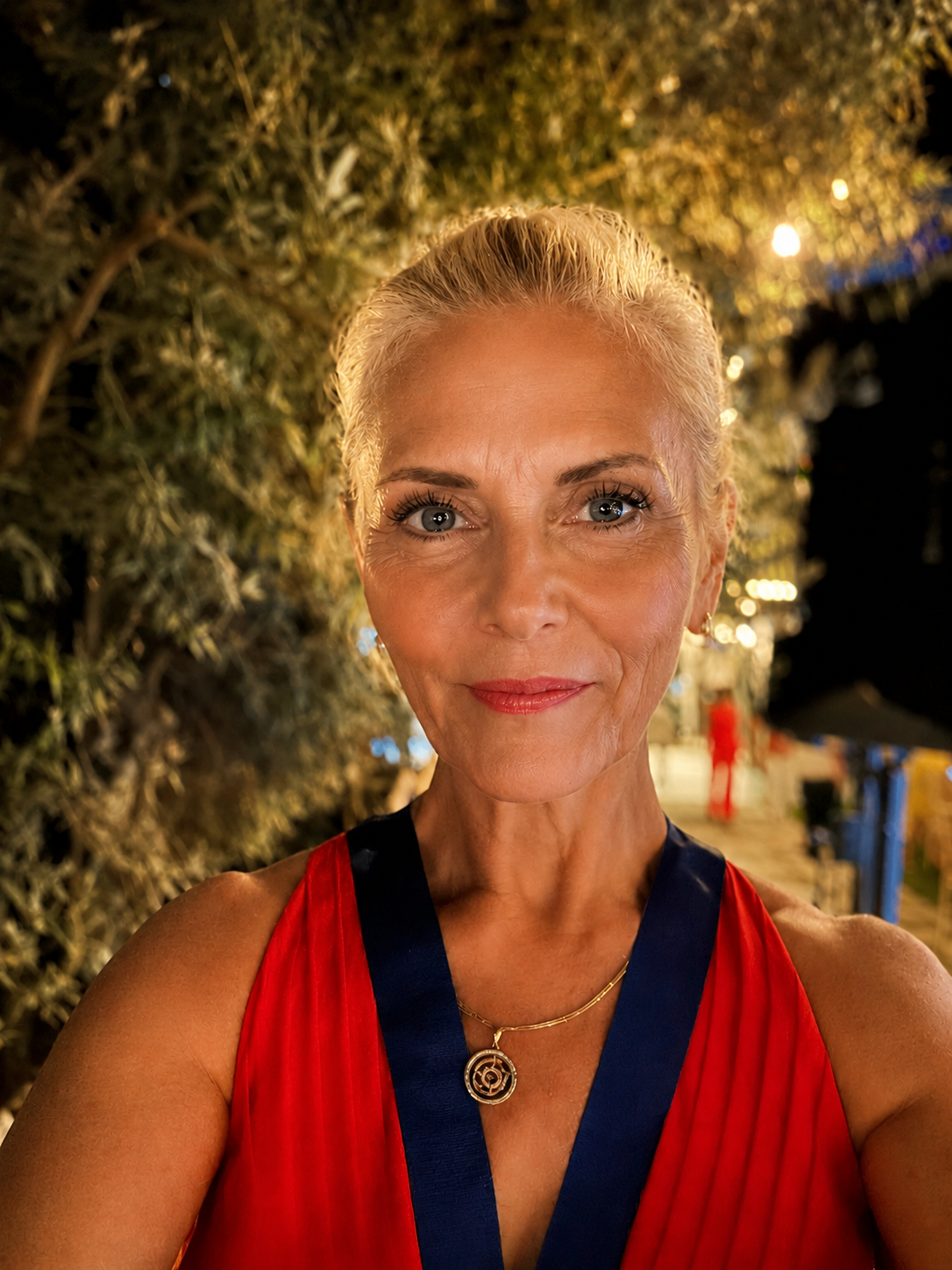
There is also often more space for storytelling. Instead of focusing mainly on the fact of the death, the ceremony looks more closely at the life lived. That may include family anecdotes, personal tributes, favourite songs, shared rituals, photographs, or symbolic touches that feel immediately recognisable to those present. As a celebrant, I spend time getting to know the family, and I want to know about the person who has passed away. I want to connect with who they were and their life. This helps them in writing a ceremony that really connects with their friends and family.
That said, the line between a funeral and a celebration of life is not fixed. A traditional funeral can include warm, personal details. A celebration of life can still have moments of solemnity, prayer, or silence. It depends on the person, the family, and the atmosphere you want to create.
Why do families choose this kind of farewell?
Many people want something that feels less formal and more individual. They do not want a farewell that could belong to anyone. They want one that could only belong to this person.
That might be because the person had a vivid personality, unusual interests, or a wide circle of friends from different parts of life. It might be because the family is multicultural or not religious, and a standard service does not feel like the right fit. Sometimes it is simply because loved ones want a gentler, more human way to gather and remember.
A celebration of life can also be especially helpful when people need a sense of connection. Hearing stories, laughter, and shared memories can bring real comfort. It reminds everyone in the room that although a life has ended, its influence continues in the people who carry it forward.
What happens at a celebration of life?
There is no single formula, which is part of the appeal. Most ceremonies include a welcome, some words about the person’s life, music, readings, and tributes from family or friends. Beyond that, there is plenty of room to shape the experience.
Some families include a visual memory table with photographs, keepsakes, letters, or favourite objects. Others choose live music, candlelighting, a toast, a moment of reflection, or a shared gesture such as placing flowers, pebbles, or written messages in a special space.
The ceremony may be led by a celebrant, a religious minister, a family member, or a friend. However, an experienced professional celebrant is often particularly helpful because they can create structure without making the service feel stiff. They guide the flow, hold the room with calm confidence, and make sure the ceremony remains both personal and well organised.
For larger gatherings, or where guests are travelling from different places, having someone experienced at the helm can make a real difference. It allows family members to be present in the moment rather than managing the practical details. This is particularly important when the ceremony is being streamed live, as the celebrant will control all the timings and music.
What should the tone be?
This is one of the questions families ask most often, and the honest answer is that it depends. A celebration of life does not have to be relentlessly upbeat. In fact, if it tries too hard to avoid sorrow, it can feel unbalanced.
The most thoughtful ceremonies are emotionally truthful. If the person was funny, let there be laughter. If the loss is raw, let there be tenderness and quiet. If family dynamics are complicated, the wording may need extra care. A skilled ceremony does not force a mood. It reflects the reality of the person and the people who are gathering for them.
That is why personal planning matters so much. As a celebrant, I put hours of work into researching and planning a ceremony because I only get one chance to get it right. The right farewell is not about choosing between sombre and celebratory as if they are opposites. It is about finding the tone that feels dignified, sincere, and recognisable.
Is a celebration of life religious or non-religious?
It can be either, or somewhere in between. Some celebrations of life are fully non-religious, with no hymns, prayers, or formal faith elements at all. Others include spiritual readings, blessings, or traditions that matter to the person or their family.
No rule says it must be one thing or the other. A family may want a largely contemporary ceremony with one hymn that Nan always sang, or a reflective service that includes prayer alongside personal tributes. For multicultural or blended families, the ceremony may draw respectfully from more than one tradition.
This flexibility is often one of the greatest strengths of a celebration of life. It allows you to honour belief, culture, and personality without feeling boxed in by a format that does not quite fit.
When is the right time to hold one?
A celebration of life can take place soon after death, or weeks or even months later. There are practical reasons for waiting sometimes, especially if relatives are travelling, if the death happened abroad, or if the family needs time before planning something more personal.
Holding the ceremony later can also create a little breathing space. Immediate funeral arrangements often come with pressure and paperwork. A separate celebration of life allows more time to think carefully about the content, invite the right people, and create something considered.
On the other hand, some families find comfort in gathering sooner rather than later. There is no perfect timetable. The right moment is the one that works emotionally and practically for those closest to the person who has died.
Who is a celebration of life most suitable for?
It suits many different families, but it is especially appropriate when personality and personal story matter more than convention. It often appeals to those who want warmth without losing dignity, or who want a ceremony that reflects modern family life rather than a standard template.
It can be a good choice for people who are creative, sociable, or deeply individual. It can also be right for quieter people, so long as the ceremony reflects their nature rather than trying to turn them into someone they were not. Gentle, understated, and elegant can still be deeply celebratory.
The key is not whether the person was outgoing. The key is whether you want the farewell to be shaped around who they really were.
Planning a celebration of life with confidence
If you are arranging a farewell, start with the person at the centre of it. What did they love? How did they make people feel? What stories are told about them again and again? Which music, words, or places would feel right, and which would feel out of character?
From there, think about the people attending. Will they need a formal framework, or something more relaxed? Is the gathering intimate or large? Are there cultural or family considerations to handle sensitively? These questions help turn a general idea into a ceremony that feels coherent and caring.
Working with an experienced celebrant can make this process far less overwhelming. The best support is not just about writing beautiful words. It is about listening carefully, asking the right questions, and creating a ceremony that feels balanced, thoughtful, and professionally led from beginning to end.
A celebration of life is, at heart, a farewell that tells the truth about someone in a loving way. If that feels like the kind of goodbye your person would have wanted, trust that instinct. The most meaningful ceremonies rarely come from doing what is expected. They come from doing what feels right.
A Beautiful Goodbye.
My book, A Beautiful Goodbye, is a Practical and Compassionate Guide to creating a meaningful funeral, memorial, or Celebration of Life. It is available on Amazon.
Planning your own Funeral or Celebration of life ceremony.
Have you ever thought of planning your own send-off to take the stress and responsibility away from your loved ones?
If you would like to find out more about planning your own funeral or a life ceremony, please do contact me.