If you are choosing a celebrant for a Jewish Wedding that UK couples can trust, you are probably not looking for a generic ceremony. You want something that feels grounded, respectful, and unmistakably yours – whether that means honouring longstanding Jewish traditions, blending cultures and families, or creating a celebration that reflects modern Jewish life with warmth and elegance.
That search deserves care, because not every celebrant will be the right fit. Your celebrant may not be Jewish, but they need to understand your faith and customs. Jewish weddings carry meaning in every detail, from the chuppah to the blessings, from the signing of the ketubah to the sense of community that surrounds the couple. Even when you are planning a more contemporary ceremony, the emotional and cultural weight matters. A good celebrant understands that this is not about adding a few symbolic touches. It is about creating a ceremony with integrity.
What does a wedding celebrant in the UK actually do at a Jewish wedding?
A wedding celebrant in the UK can help design and lead a ceremony that reflects your faith, heritage, family traditions, and personal story. For some couples, that means a ceremony that closely follows familiar Jewish elements. For others, it means a bespoke celebration that honours Jewish identity while also making space for another faith, a different cultural background, or a more secular approach.
This is often where couples need reassurance. A celebrant-led ceremony is not the same as a legal marriage ceremony in England and Wales, so the legal side is usually handled separately through a register office. Many couples are perfectly happy with that arrangement because it gives them far more freedom over the wedding ceremony itself. Instead of being limited by a standard script or venue restrictions, they can create something far more personal and expressive.
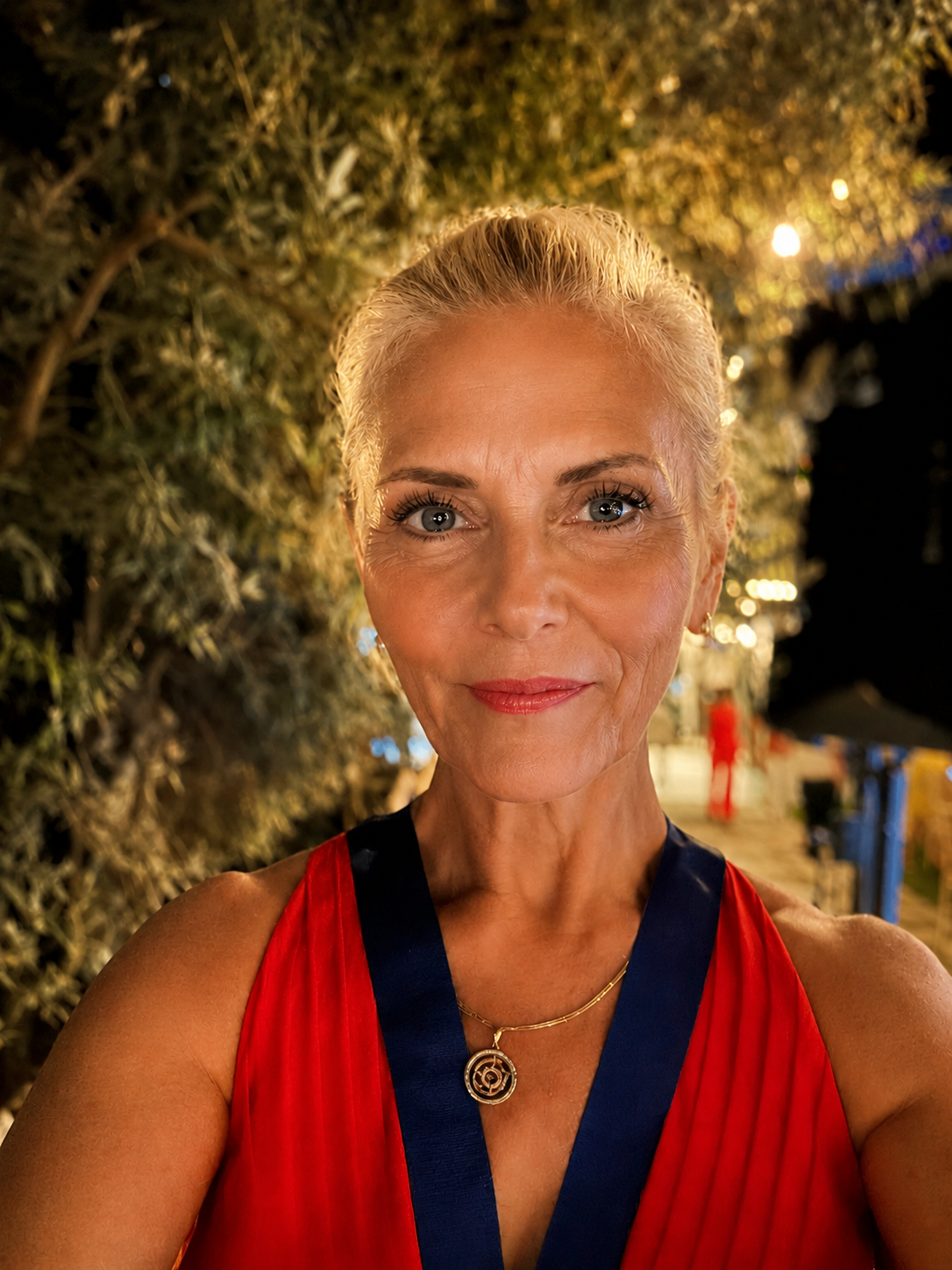
The role of the celebrant is therefore both creative and practical. They shape the wording, guide the structure, help you make thoughtful choices about traditions, and lead the ceremony with confidence on the day. If they also have broader event experience, like Celebrant Rosie Anstey, who is also a professional Toastmaster, they can support the flow of the ceremony and reception so that everything feels calm, polished, and well-held.
Why the right wedding celebrant matters
There is a real difference between a celebrant who is able to conduct a Jewish-inspired ceremony and one who genuinely understands the importance of what they are handling. That does not always mean your celebrant must come from the same background as you, but it does mean they should listen carefully, respect the traditions involved, and be comfortable navigating nuance.
For example, one couple may want the Seven Blessings included in full, with Hebrew woven into the ceremony and family members taking part. Another may prefer a lighter touch – perhaps the chuppah, the breaking of the glass, and a heartfelt explanation of what those moments mean. Neither choice is more valid than the other. The key is that your ceremony should feel intentional, not borrowed.
A strong celebrant will never assume that all Jewish weddings are the same. Ashkenazi, Sephardi, and mixed-heritage families may all have different customs. Some couples are deeply observant, while others feel culturally Jewish rather than religious. Some are planning a second marriage, a vow renewal, or a wedding where both families want to see themselves reflected. These details shape the tone of the ceremony more than any standard template ever could.
Questions worth asking before you book
When you speak to a potential celebrant, you are not only checking availability. You are trying to understand whether they can hold your story well.
Start by asking about their experience with Jewish or interfaith weddings. Ask how they approach ceremony planning when traditions matter. Their answer should feel thoughtful rather than rehearsed. You want someone who understands that there may be areas where family expectations, personal beliefs, and practical realities all meet.
It is also wise to ask how bespoke their process really is. Some celebrants personalise a stock script. Others build the ceremony around you from the beginning. If Jewish tradition is central to your wedding, or if you are trying to balance different backgrounds with sensitivity, that distinction matters.
You may also want to ask how they handle pronunciation, Hebrew wording, and ceremonial moments that need context for guests. A polished celebrant will know when to explain a tradition clearly and briefly, so those who are less familiar can feel included without interrupting the emotional flow.
And finally, ask how they work on the day itself. A beautiful ceremony script is only part of the picture. Delivery matters. Presence matters. Calm leadership matters. The right celebrant helps everyone relax, from the couple to the grandparents to the guests listening to your story unfold.
Making space for tradition and personality
One of the loveliest things about a celebrant-led ceremony is the freedom to honour tradition while still sounding like yourselves. That balance can be especially valuable for Jewish weddings, where symbolism is rich, and family feeling often runs deep.
You might include a welcome that acknowledges generations before you, followed by a modern retelling of how you met. You may choose to stand under a chuppah that was made or embroidered by family members. Consider including music, blessings, poetry, or readings that carry Jewish meaning without making the ceremony feel formal or distant. There is room for joy as well as reverence.
This is also where interfaith and multicultural couples often feel most relieved. A well-crafted ceremony can respect Jewish heritage while giving proper space to another tradition, another language, or another family story. It does not have to be one side or the other. It can be carefully built so both are seen.
That said, it is worth being honest about the trade-offs. If you want a fully orthodox religious ceremony recognised under specific religious requirements, a celebrant-led wedding is not the route you need. However, if you want freedom, beauty, and personal meaning, while still including Jewish ritual and identity in a way that feels sincere, a celebrant can offer something deeply special.
What a thoughtful ceremony can include
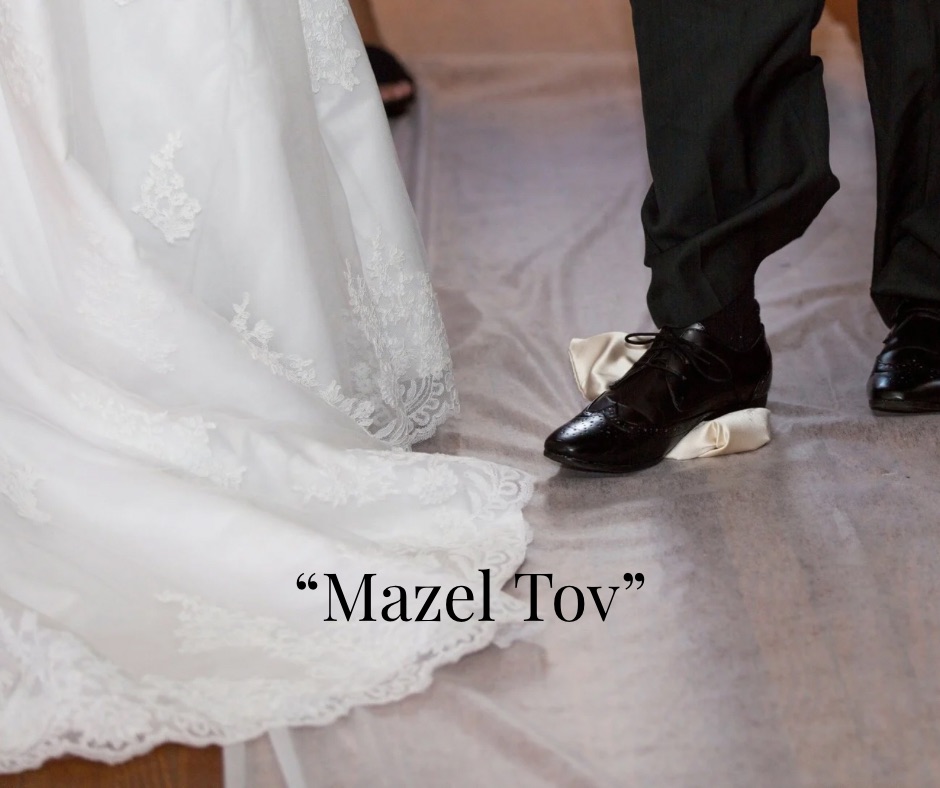
There is no single formula, but many couples choose to include elements such as the chuppah, blessings over wine, the exchange of vows, ring promises, readings, family participation, and the breaking of the glass. Some include Hebrew alongside English. Others ask their celebrant to explain key moments so every guest understands the symbolism.
The most successful ceremonies are not the ones with the longest list of traditions. They are the ones where each part has a reason to be there. If a custom matters to your family, your faith, or your shared story, it will likely carry emotional weight on the day. If it feels included simply because it is expected, it may need a different approach or a gentler adaptation.
A good celebrant helps you make those choices without pressure. They can guide you through what feels appropriate, what may need careful wording, and what might help your guests feel connected rather than simply observant.
The value of calm, experienced guidance
Planning a wedding often brings out the best intentions and the strongest opinions. This can be especially true when family traditions are involved. One of the benefits of working with an experienced celebrant is the sense of steadiness they bring.
They can help you navigate sensitive conversations, clarify what will happen during the ceremony, and build a structure that feels cohesive rather than crowded. If your wedding includes guests from different backgrounds, age groups, or countries, that calm guidance becomes even more valuable.
For couples planning from abroad, or organising a destination wedding while keeping Jewish traditions close, this support can be particularly reassuring. Someone who can shape the ceremony and confidently lead it on the day gives you one less thing to carry.
That is very often what couples are really looking for. Not just someone to stand at the front and read words, but someone who can create an atmosphere. Someone who understands when the room needs warmth, when it needs clarity, and when it simply needs a quiet pause before the glass is broken and the celebration begins.
Choosing someone who feels right
Credentials and experience matter, of course. So does professionalism. But with a wedding ceremony as personal as this, the human connection matters too. You should feel comfortable being honest about your beliefs, your family dynamics, and the kind of atmosphere you want to create.
The right celebrant will make you feel heard, not managed. They will respect the emotional significance of a Jewish wedding while helping you shape a ceremony that feels entirely your own. If you are looking for that blend of warmth, sensitivity, and assured guidance, it is worth taking the time to find someone whose approach matches your values. For couples who want a bespoke, heartfelt ceremony with experienced support throughout, Celebrant Rosie Anstey offers exactly that kind of thoughtful partnership through https://www.celebrantrosieanstey.com.
Your wedding ceremony should feel like more than a formal moment before the party. It should feel true to your relationship, to your heritage, and to the life you are beginning together.
Contact
Contact Celebrant Rosie Anstey to book your date and start planning your bespoke wedding ceremony http://www.celebrantrosieanstey.com