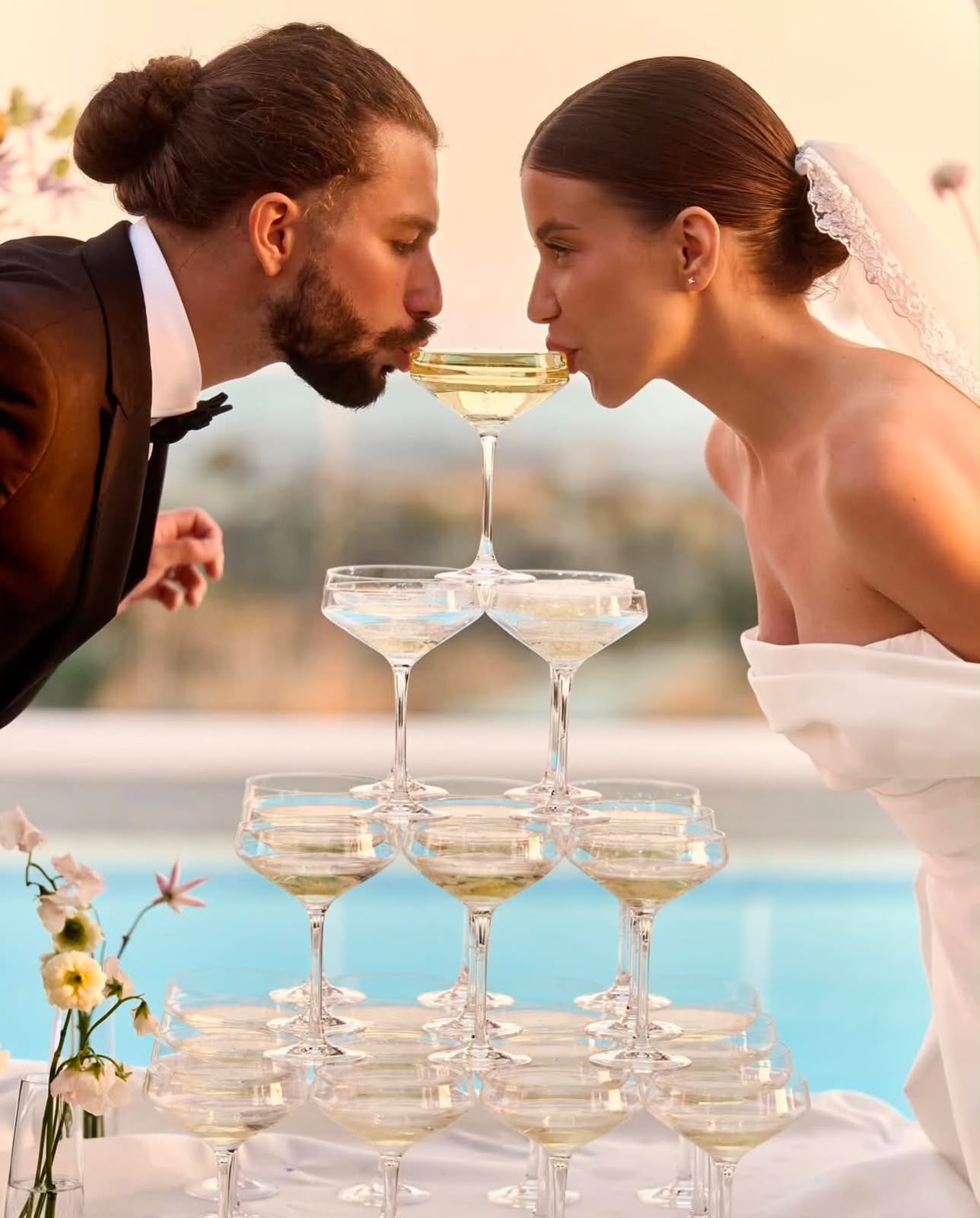
When a wedding runs beautifully, guests rarely notice why. They feel looked after, know where they need to be, and move from one part of the day to the next without confusion or delay. That is exactly what a master of ceremonies for a wedding celebration is there to do – to bring calm structure, confident guidance, and the right sense of occasion, without ever taking attention away from the couple.
For many couples, the role is more valuable than they first realise. Planning often focuses on the ceremony, the venue, the food, and the music, yet the thread that ties everything together can be missing. Someone needs to quietly lead, liaise, announce, adapt, and reassure. When that someone is professional and experienced, the whole day feels more polished and far less pressured.
What a master of ceremonies for a wedding celebration actually does
A master of ceremonies is there to guide the flow of the wedding day. That may sound simple, but in practice it covers a great deal. They help ensure guests know what is happening and when, they make announcements clearly and warmly, and they coordinate with suppliers so each part of the celebration happens at the right time.
This role sits somewhere between host, organiser, and a calm problem-solver. If a photographer needs five more minutes, if older relatives need help getting to the right spot, if speeches are drifting off schedule, or if the cake needs to be moved before the room turns around for dancing, the master of ceremonies keeps everything moving with grace.
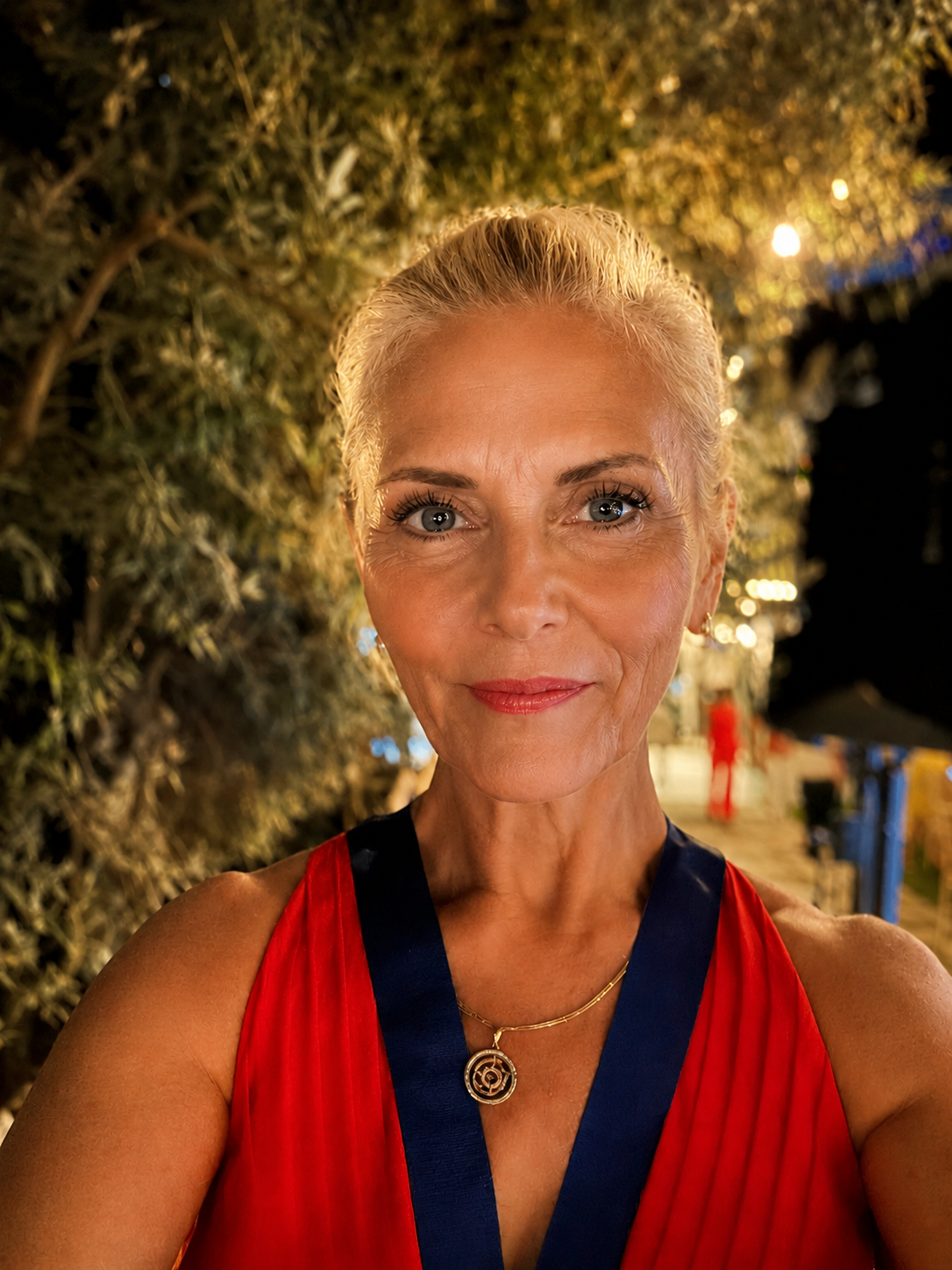
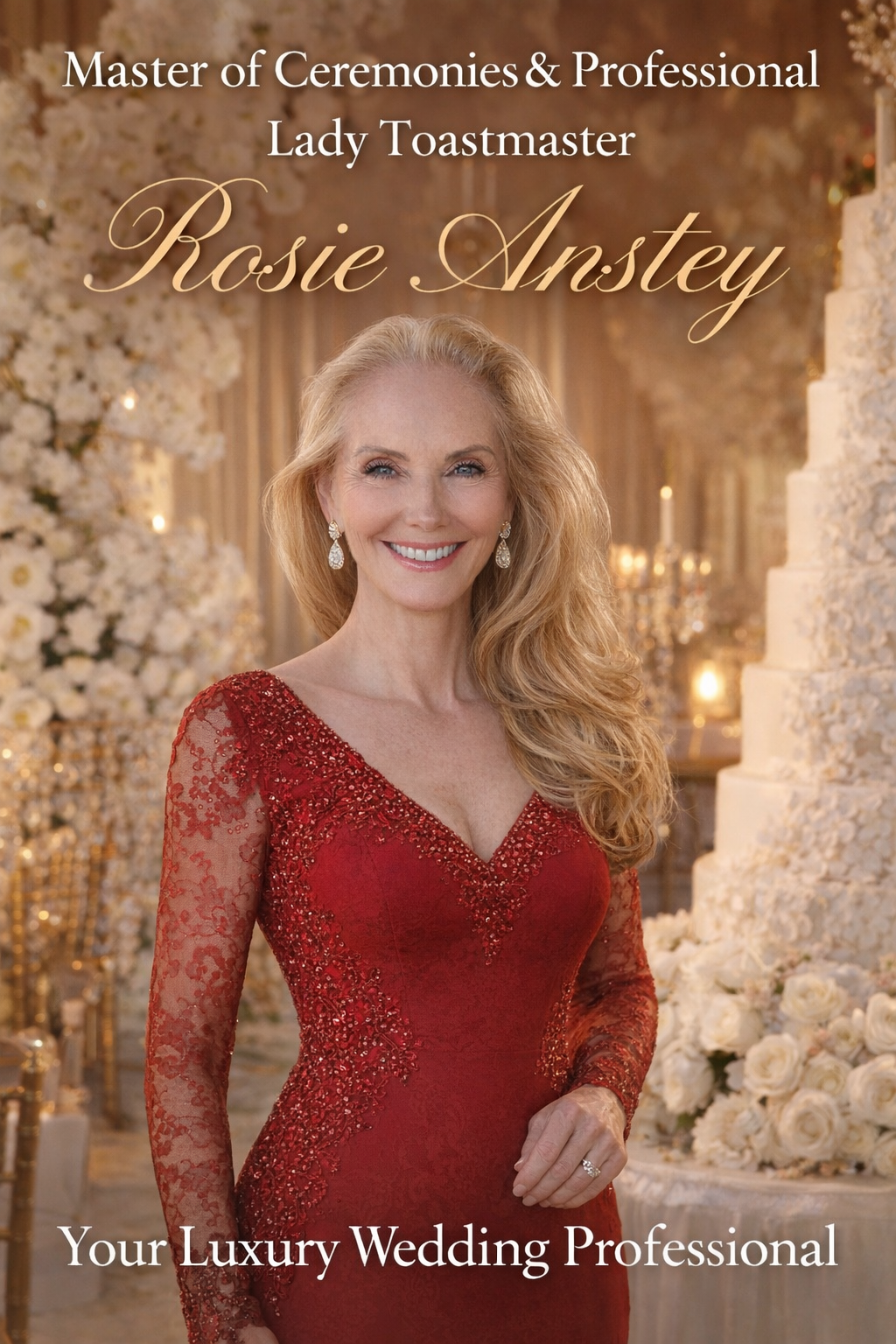
Just as importantly, they set the tone. A qualified professional like Lady Toastmaster Rosie Anstey reads the room, understands the couple, and speaks in a way that suits the occasion. Some weddings call for formal elegance. Others feel relaxed, lively, fun, and family-centred. The right master of ceremonies does not impose a style. They support yours.
Why couples often need more than a friend with a microphone
It can be tempting to ask a confident friend or family member to “keep things moving”. Occasionally, that works, especially for a smaller, informal wedding with a light schedule. But there are trade-offs.
A guest who is also managing the day cannot fully relax into it. They may miss key moments, feel pulled in too many directions, or struggle to make decisions when timings shift. The person may not feel comfortable managing suppliers, speaking firmly when needed, or making announcements to a large mixed group of guests.
A professional brings distance, authority, and experience. They know how to direct without sounding bossy, how to keep energy up without becoming overbearing, and how to solve issues before they become visible problems. That is often the difference between a wedding that feels slightly improvised and one that feels effortlessly well-run.
The benefits of having one experienced point of contact
One of the greatest comforts on a wedding day is knowing there is someone who already understands the plan. Not just the timings on paper, but the family dynamics, the order of the entrances, who is giving a speech, which traditions matter most, and where there may be sensitivities.
This matters even more for bespoke or multicultural weddings. If your day includes blended traditions, more than one language, faith elements, or guests travelling from different places, clear guidance becomes essential. A skilled master of ceremonies helps everyone feel included. They can bridge formalities and warmth, helping the celebration feel welcoming rather than confusing. This is where a trained professional toastmaster is essential as your Master of Ceremonies. They know exactly how to plan your timeline and then ensure everything happens seamlessly on the day.
For destination weddings, that reassurance can be even more valuable. When couples are away from home, often planning across time zones and working with local suppliers, having someone who can bring structure and clarity to the day can remove a great deal of stress.
What to look for in a master of ceremonies for wedding events
The best fit is not simply someone with a strong voice or polished appearance, though both can help. You are really looking for a blend of presence, diplomacy, and attention to detail.
- Experience matters because weddings rarely run exactly to plan. You want someone who can adapt without flustering you or your guests. Professionalism matters because they may be coordinating with your venue team, caterers, musicians, photographer, and transport provider throughout the day.
- Warmth matters because your guests should feel guided, not managed.
- It is also worth asking how they prepare. A thoughtful professional will want to know far more than a running order. They should ask about the style of the day, the names they need to pronounce properly, any cultural elements, the important family members, and any parts of the celebration that need especially careful handling.
If they are also your celebrant, that can be a particular advantage. It means the person leading your ceremony already knows your story, your priorities, and the emotional shape of the day. There is a natural continuity between the ceremony itself and the wider event that follows.
When this role makes the biggest difference
Not every wedding needs the same level of support. Short registry office ceremonies followed by an intimate lunch may involve very little formal hosting. A full wedding day with a ceremony, drinks reception, wedding breakfast, speeches, and evening celebration is different.
The role becomes especially useful when the guest list is larger, the venue has multiple spaces, or there are several moving parts. It is also a wise choice when family members would otherwise be expected to answer constant questions. Parents, siblings, and close friends should be free to enjoy the day with you, not spend it directing guests to the bar, chasing the band, or checking whether the taxis have arrived.
It can also be invaluable if you know your own strengths. Some couples love taking charge and are happy to make announcements themselves. Others want to stay fully present and avoid the feeling of hosting. Neither is right nor wrong, but if you want to spend your wedding day soaking up the atmosphere rather than managing it, a master of ceremonies can be one of the most practical decisions you make.
How the role supports guests as well as the couple
Guests feel the effects of good event leadership immediately. They know when to move, where to go, and what is expected of them. Your guests do not need to interrupt you with practical questions. They are not left wondering whether speeches have started, whether the cake cutting is happening outside, or whether the next part of the celebration is delayed.
There is also a subtle emotional benefit. Weddings bring together different generations, friendship groups, and families, sometimes for the first time. A warm, composed host helps everyone settle. The day feels intentional, cared for, and welcoming.
That is particularly important when there are older guests, children, or people who may need a little more guidance. Clear communication is not just efficient. It is a kindness.
A style that should feel personal, not performative
One concern some couples have is that a master of ceremonies will make the wedding feel stiff or overly formal. A good professional does the opposite. Their role is to support the atmosphere you want, whether that is elegant and traditional, relaxed and modern, or something entirely your own. They will also adapt their attire to suit your occasion. Discover the difference between a Toastmaster vs Master of Ceremonies here
The delivery should never feel like a performance pasted onto your day. It should feel natural, polished, and in tune with your celebration. Some moments need dignity and presence. Others need lightness and good humour. Knowing the difference is part of the skill.
This is why chemistry matters. When you speak to a potential master of ceremonies, notice how they listen. Do they understand the feeling you want to create? Do they sound calm and capable? Do they make you feel looked after already? Those early conversations often tell you a great deal.
Bringing ceremony and celebration together
For couples who want both a meaningful ceremony and a smoothly managed wedding day, choosing one professional to perform both roles can be especially reassuring. Someone who has helped shape your ceremony and then remains to guide the celebration understands the emotional importance of the day as well as the logistics. Discover more about Celebrant Rosie Anstey here
That continuity can create a lovely sense of ease. There is no handover, no need to explain your story twice, and no gap between the intimate tone of the ceremony and the atmosphere of the reception. It simply feels joined up. For many couples, that is the kind of thoughtful support that allows them to relax and enjoy what they have spent so long planning.
A wedding should never feel like a timetable exercise, but neither should it feel uncertain. The right master of ceremonies brings confidence without fuss, structure without stiffness, and care without intrusion. If that gives you the freedom to be fully present with the people you love, it is not an extra touch. It is part of what makes the day feel beautifully held.