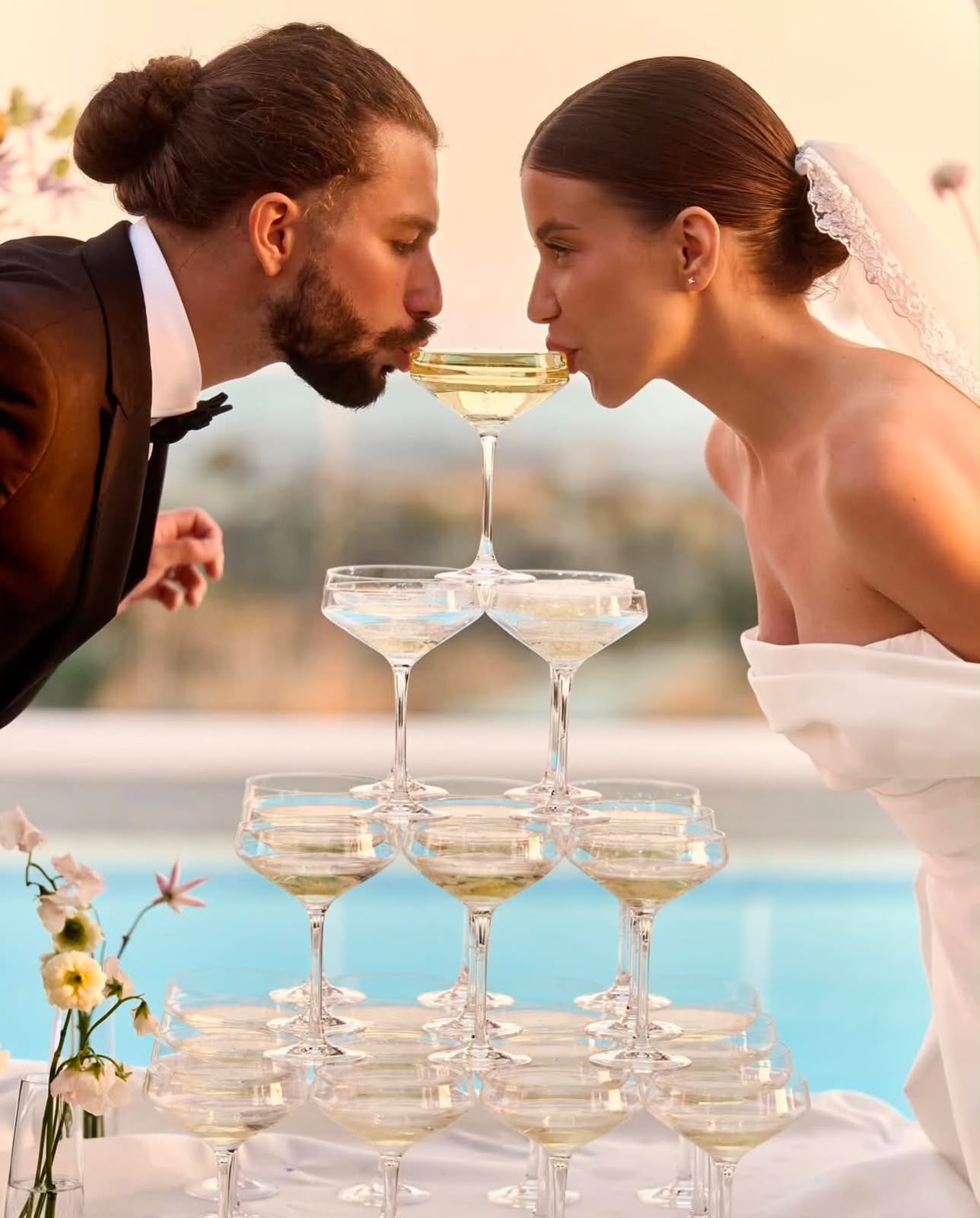
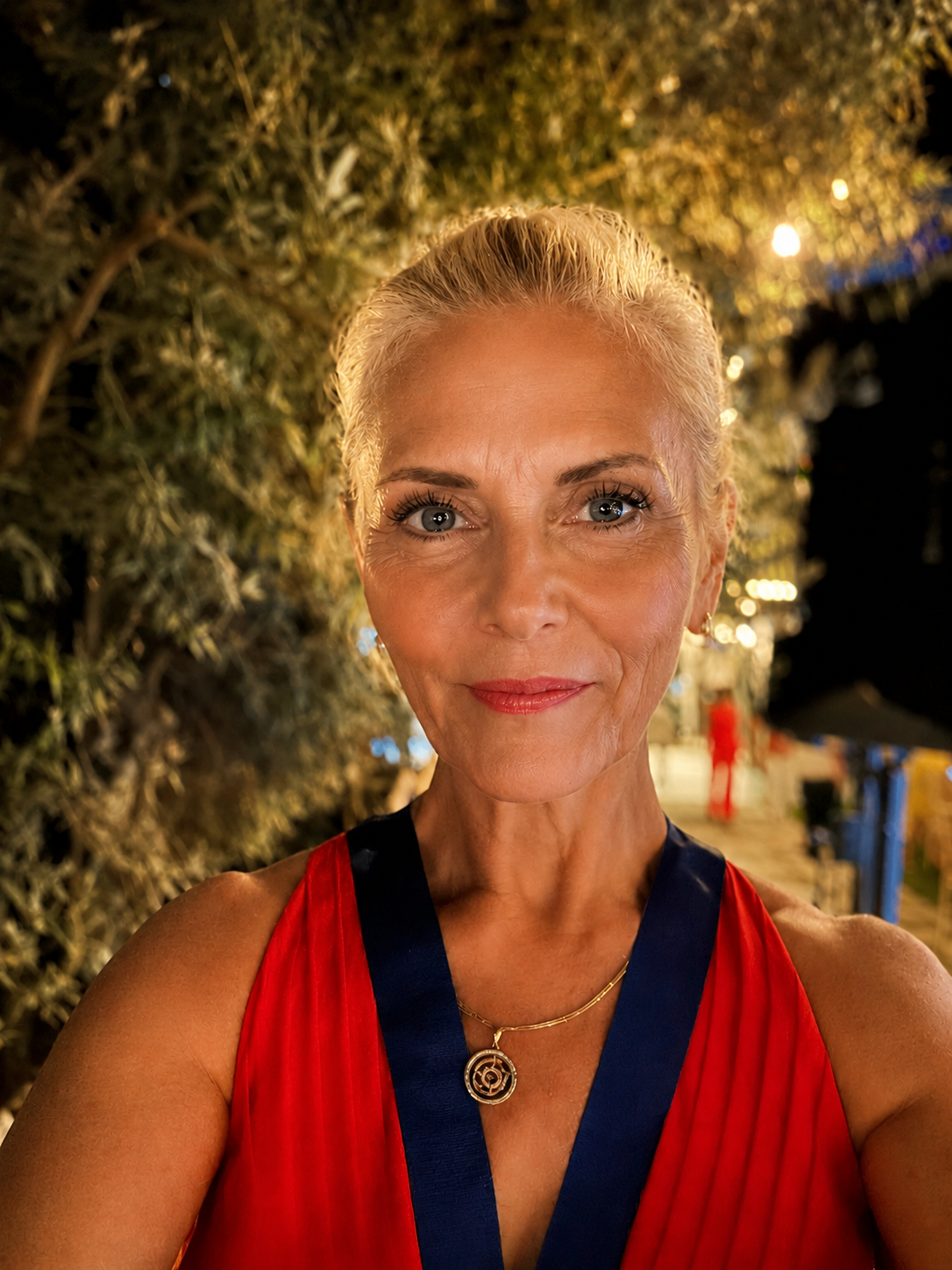
Planning your wedding and wondering what a celebrant-led ceremony actually is?
Whether you’re getting married in the UK, Cyprus, or planning a destination wedding, celebrant-led weddings are becoming one of the most popular choices for couples who want a truly personal and meaningful ceremony.
In this guide, I’ll explain exactly what a celebrant wedding is, how it works, and why so many couples are choosing this beautiful alternative to traditional ceremonies. If you are planning a celebrant wedding in Cyprus, you can read more about my services here.
Read more: What is a Celebrant Wedding? The complete guide (UK & Cyprus)What is a celebrant wedding?
You may know exactly where you want to get married – on a beach in Cyprus, in an English garden, at a family home, or in a beautiful venue with a view – but still feel unsure about who should lead the ceremony itself. That is often the point at which couples start looking for a guide to celebrant-led weddings, because they want something more personal than a standard script and more flexible than a formal legal appointment.
A celebrant-led wedding gives you the freedom to create a ceremony that feels like you. It can be romantic, relaxed, elegant, faith-informed, multicultural, humorous, deeply heartfelt, or all of those at once. For many couples, that freedom is exactly the difference between a ceremony that happens and one that becomes the emotional centre of the day.
What does a Wedding Celebrant do?
A celebrant wedding is a ceremony created and conducted by a professional celebrant, rather than by a registrar or religious officiant working within a fixed structure. The key difference is personalisation. A celebrant takes time to understand your story, values, family dynamics, and hopes for the day, then writes a ceremony around them.
That means the wording, tone, and shape of the ceremony can all be tailored. You can include personal vows, readings, music, symbolic rituals, cultural traditions, and moments that would not always be possible in a more restricted setting. The ceremony can be formal and timeless or warm and lightly humorous. It depends on what feels right for you.
For couples planning a destination wedding or bringing together different backgrounds, this flexibility can be especially valuable. A celebrant-led ceremony can honour more than one culture, reflect blended families, include children or close friends, and make room for beliefs that do not fit neatly into one tradition. I create fully personalised ceremonies tailored to each couple
A guide to celebrant weddings and the legal side
What’s the difference between a Celebrant and a Registrar?
This is the part couples most often need clarified. In England and Wales, a celebrant-led wedding is not usually the legal marriage itself. In practical terms, many couples choose to complete the legal registration separately at a register office, then have their celebrant-led ceremony as the meaningful centrepiece of their celebration.
For many, this is less inconvenient than it first sounds. The legal signing can be done simply and quietly on another day, leaving the wedding ceremony free from time pressure and formal restrictions. You are then able to hold your celebration where and how you wish, with a ceremony designed around your relationship rather than an administrative format.
Can you have a Celebrant wedding in Cyprus?
If you are marrying abroad, the legal position depends on the country and local requirements. Destination weddings can involve extra paperwork, residency rules, or timelines, so it is always worth checking early. A celebrant with international experience can often help you understand what needs to happen in what order, which removes a great deal of stress. In general, celebrants do not perform the legal part of the ceremony in Cyprus; they perform the wedding ceremony. If you are looking for a personalised wedding ceremony, then a Celebrant like Rosie Anstey will write a bespoke, unique ceremony just for you. If you are planning your wedding in Cyprus, you can read more about my services here
Cyprus offers some of the most beautiful locations for a destination wedding ceremony. from beaches and golf courses to historic venues such as Bellapais Abbey. You can explore wedding options in Cyprus here.
Why couples choose a Celebrant-led Wedding Ceremony
The strongest reason is simple – they want the ceremony to feel personal. When you choose a celebrant wedding in the UK, or a celebrant wedding in Cyprus, it will be a ceremony on your terms.
Celebrant vs registrar wedding. A registrar may deliver a lovely ceremony, but the format is often limited by venue rules, time slots, and approved wording. A celebrant ceremony offers much more room to breathe. You are not fitting your relationship into a standard script. The script is written for your relationship.
That matters because the ceremony is not just the bit before the drinks reception. It sets the tone for everything that follows. When guests feel they are hearing your real story, there is a different atmosphere in the room. People listen more closely. They laugh, cry, connect, and remember it.
There are practical benefits too. A celebrant can help shape the flow of the ceremony, advise on readings and music, and create something that works for the setting, guest list, and mood you want. If your wedding involves more than one language, faith influence, or family tradition, that guidance can be invaluable.
What can you include in a celebrant-led wedding?
Almost anything, provided it feels meaningful rather than added for the sake of it.
Some couples choose to exchange personal vows that say what they genuinely want to promise each other. Others include favourite poems, a piece of music with family significance, or contributions from children, siblings, or close friends. Symbolic rituals can also be woven in, such as handfasting, candle lighting, unity ceremonies, or cultural traditions from one or both families.
The beauty of a celebrant-led wedding is not that it has no structure. It is that the structure can be shaped around you. A well-crafted ceremony still needs balance, pacing, and professionalism. Warmth and personality matter, but so does knowing when to pause, when to lift the energy, and how to guide a room full of people through an emotional moment with confidence. When you work with Celebrnt Rosie Anstey, she writes and delivers a unique ceremony for you – she does not deliver a generic cookie-cutter style of ceremony.
Costs and what affects them
Celebrant fees vary, and there is a reason for that. You are not only paying for the hour of the ceremony itself. You are paying for consultation time, writing, revisions, planning support, communication, rehearsal, where included, and professional delivery on the day.
Location can affect cost, particularly for destination weddings or venues that involve travel and overnight stays. Complexity matters too. A short and intimate ceremony may require less preparation than a multicultural wedding involving several contributors, bespoke rituals, and careful coordination.
It is tempting to compare fees as though all celebrants offer the same service, but they do not. Experience, writing ability, presentation, calmness under pressure, and event awareness all make a difference. The right fit is often about trust as much as price. Some celebrants offer a generic cookie-cutter ceremony. This will be a cheaper option because they are not writing a personalised, bespoke ceremony.
How to choose the right celebrant
The best celebrant for you is not necessarily the most theatrical or the most formal. It is the person who understands the feeling you want to create and has the skill to deliver it.
Look for someone whose style feels natural to you. Read their words. Notice whether they sound warm, organised, and genuinely interested in people. Ask how they approach personalisation, how they handle nerves, and what support they give before the wedding day.
You should also ask practical questions. Have they worked with your type of venue before? Are they experienced with destination weddings, blended families, or multicultural ceremonies if that is relevant to you? Can they help with both emotional tone and logistical flow? These details matter because a beautiful ceremony needs both heart and structure.
Chemistry counts as well. You should feel comfortable sharing personal details with your celebrant. If the relationship feels easy and reassuring from the start, that is often a very good sign. You can learn more about my experience and approach here.
Is a celebrant-led wedding right for every couple?
Not always, and it is worth being honest about that.
If having the legal marriage take place in the same moment is the most important factor for you, a registrar-led or legally recognised religious ceremony may be the better route. Some couples prefer the simplicity of one appointment and one format, and there is nothing wrong with that.
But if your priority is meaning, atmosphere, and flexibility, a celebrant-led wedding is often the stronger choice. It gives you room to create a ceremony that reflects your relationship properly, rather than reducing it to the essentials. For many couples, especially those planning a destination celebration or bringing together different traditions, that freedom is what makes the day feel complete.
Whether your wedding is large or small, local or abroad, contemporary or traditional, the ceremony should feel like more than a formality. It should sound like your voices, hold your story with care, and give your guests a moment they will still be talking about long after the last glass has been cleared away.
If you are considering your options, the most helpful place to start is not with a script or a checklist. It is with a simple question – when you picture that moment, what do you want it to feel like?
Contact me:
If you are planning your wedding and would love a personal, meaningful ceremony, get in touch with me here to start planning your ceremony.
Frequently asked questions.
Are celebrant weddings legal in the UK?
Celebrant weddings are not currently legally binding in the UK, which means couples usually complete the legal paperwork separately at a registry office. The celebrant-led ceremony is where you can truly personalise your vows and experience.
Can you have a celebrant wedding in Cyprus?
Yes, celebrant weddings in Cyprus are very popular, especially for destination weddings. Many couples choose to complete the legal part at home and then have a beautiful personalised ceremony in Cyprus.
Can a celebrant wedding take place anywhere?
One of the biggest advantages of a celebrant-led wedding is flexibility. Your ceremony can take place almost anywhere — on a beach, in a villa, a private garden, or a unique venue that reflects your personality.
What is the difference between a celebrant and a registrar?
A registrar conducts a legal ceremony with set wording, whereas a celebrant creates a completely bespoke ceremony tailored to your story, values, and wishes.
How much does a wedding celebrant cost?
Costs vary depending on experience and location, but investing in a celebrant means your ceremony is completely personalised, meaningful, and unforgettable.