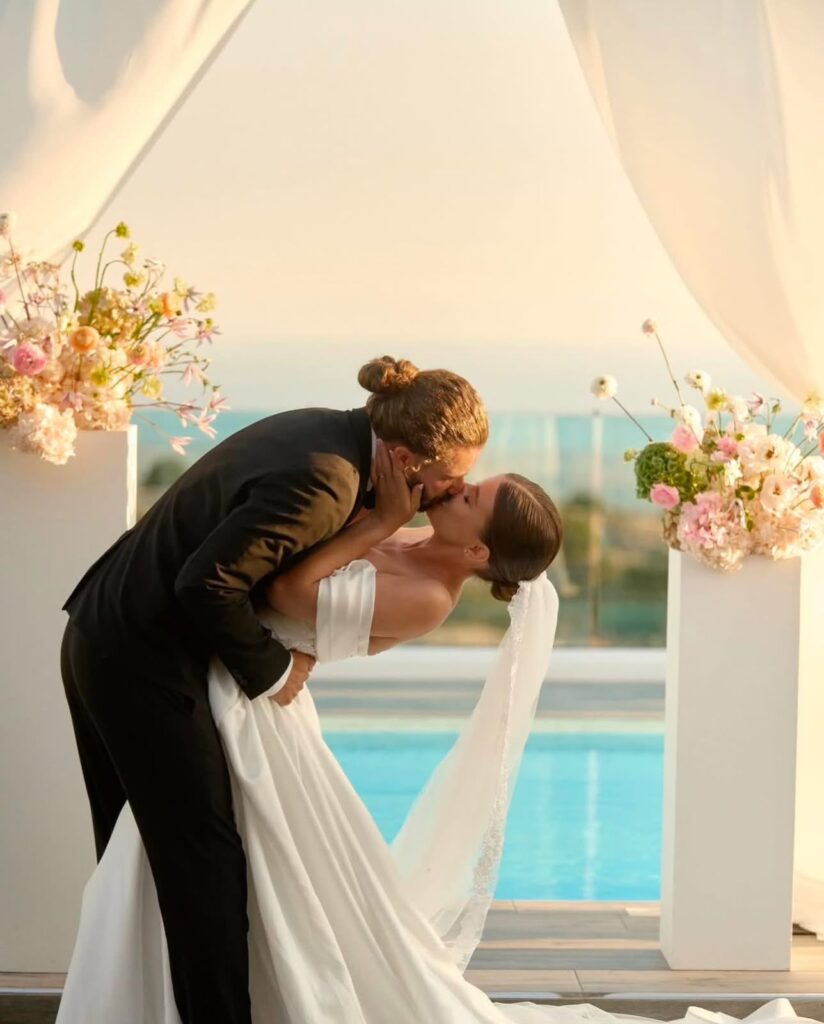
The romance of marrying abroad is easy to picture. The reality usually arrives in the form of spreadsheets, passport expiry dates, supplier time zones, and one slightly panicked question: how do we make this work without spending the whole engagement firefighting? A clear guide to destination wedding logistics helps turn a beautiful idea into a celebration that feels calm, personal and genuinely enjoyable.
Destination weddings carry a different kind of planning weight. You are not just choosing flowers, music and a menu. You are coordinating travel, local rules, weather patterns, guest communication and the small details that can unsettle a day if nobody has taken charge of them. The good news is that with the right structure, destination wedding planning can feel far less daunting than it first appears.
What destination wedding logistics really involve
When couples first start planning, logistics can sound dry compared with the more joyful parts of the wedding. In practice, they are what protect the joy. Logistics are the framework holding everything up – your ceremony timing, supplier arrivals, transport, legal documents, guest movements, contingency plans, and the practical handover between one part of the day and the next.
That matters even more when you are marrying away from home. Local customs may be different. Venues may work in a more relaxed way than UK couples expect, or sometimes in a more rigid way. Paperwork can have deadlines that are easy to miss if nobody flags them early. A wedding abroad can be wonderfully laid-back for guests, while requiring very considered planning behind the scenes.
Start with the legal side before the lovely side
This is the part many couples want to postpone, but it should come first. Before you commit emotionally to a destination, make sure you understand whether you are planning a legally recognised marriage abroad, a symbolic ceremony abroad with the legal registration done in the UK, or a blessing or vow renewal.
Each option has different implications. A legal wedding overseas may require original documents, certified translations, notices within a specific timeframe, and in-person appointments. Some countries make the process straightforward. Others are far more administrative. If either of you has been married before, changed your name, or holds dual nationality, expect extra checks.
There is no single right choice here. Some couples want the legal marriage to happen in the destination because it feels meaningful. Others decide to complete the legal formalities at home and have a fully personal ceremony abroad without the pressure of foreign bureaucracy. That choice can simplify planning enormously and often gives more freedom over where and how you celebrate.
Build your timeline around travel, not just the ceremony
One of the most common mistakes in any guide to destination wedding logistics is treating the wedding day as a standalone event. In reality, your timeline starts the moment people begin travelling.
Think carefully about arrival patterns. If guests are flying in, do you want everyone there at least one full day before the ceremony? In most cases, yes. Delayed flights, tired children, lost luggage and transfer issues are much easier to absorb with a little breathing space. The same applies to key suppliers if they are travelling from elsewhere.
Your own travel schedule matters even more. Arriving 48 to 72 hours before the wedding is often wise, especially if there are legal appointments, styling set-up, or a rehearsal to manage. If you are arriving the evening before, every small delay feels bigger than it is.
Then consider the flow of the event itself. The ceremony start time should reflect the destination’s heat, lighting, and transport realities. A midsummer ceremony in Cyprus at midday, for example, asks something very different of guests than a late-afternoon celebration with shade, water, and a gentler pace. Beautiful timing is not only about photographs. It is about comfort and atmosphere.
Guest logistics deserve more attention than most couples expect
Your guests do not need a military briefing, but they do need clear, thoughtful information. People are usually delighted to travel for a wedding if they feel well looked after.
Start by recognising that destination weddings ask more of guests financially and practically. That does not mean you must arrange every detail for them, but you should make the essentials easy to understand. Accommodation options at different price points, airport guidance, transfer suggestions, dress code advice, and a simple outline of the wedding schedule all help people plan with confidence.
If you are inviting older relatives, very young children, or guests with mobility needs, logistics become more personal. Are there stairs at the venue? Is transport easy after dark? Will the ceremony location be hot, windy, or uneven underfoot? These details shape whether guests can relax and participate fully.
This is also where good hosting makes a real difference. A warm welcome gathering or informal drinks the day before can settle everyone beautifully. It gives guests a chance to connect, recover from travel and ask those practical questions they may have been holding back.
Choose local suppliers with care
There is a temptation to recreate a UK wedding abroad by importing familiar suppliers wherever possible. Sometimes that is the right decision, particularly for highly personal roles. Often, though, local knowledge is worth its weight in gold.
A florist who understands what holds up in the local climate will save you disappointment. A hair and make-up artist used to destination timings will know how heat and humidity affect the finished look. A local planner or experienced on-the-day coordinator will often spot issues before they become visible to you.
The trade-off is communication style. Language barriers, slower response times or different working practices can feel frustrating if you are used to very structured UK planning. That does not always signal poor service. It may simply mean expectations need to be aligned early. Ask clear questions, confirm what is included, and have one agreed-upon point of contact for each supplier.
If your ceremony is the heart of the day, this is also where an experienced celebrant or ceremony leader can be invaluable. Beyond writing and conducting a meaningful ceremony, the right person can help shape the pace of the day, coordinate key moments, and keep the atmosphere steady when emotions and logistics are running side by side.
Have a plan for what happens between the big moments
Couples often plan the ceremony and reception beautifully, then leave the spaces in between rather vague. Those gaps are where stress tends to appear.
How are guests getting from the accommodation to the ceremony? Who is guiding them when they arrive? What happens immediately after the ceremony while photographs are being taken? If the reception is elsewhere, how are people moving between locations, and who is checking that elderly relatives or families with children are not left stranded or confused?
Smooth weddings are rarely smooth by accident. They feel effortless because somebody has thought through the handovers. This is where a toastmaster, MC, or dedicated coordinator can transform the experience. Not because the day needs formality, but because people need direction delivered with warmth and confidence.
Weather, comfort, and contingency are part of good hosting
Destination weddings invite couples to imagine sunshine, sea views, and open-air celebrations. That may well be exactly what you get, but practical planning should still allow for heat, wind, rain, and sudden change.
Comfort is not an afterthought. It is part of hospitality. Shade, water, fans, wraps for cooler evenings, sensible footwear advice, and a wet-weather alternative all tell guests they have been considered. That, in turn, affects the mood of the day more than any styling detail.
Do not treat a backup plan as pessimistic. Treat it as professional. If a ceremony must move indoors, if transport runs late, or if a supplier has an issue, calm decisions are much easier when alternatives were discussed in advance rather than invented on the spot.
Keep communication calm and centralised
A destination wedding quickly becomes noisy if everyone is asking different questions in different places. Try not to let vital information live across scattered messages, group chats, and verbal updates.
You do not need to overcomplicate this. A single clear itinerary, shared at sensible intervals, is often enough. Confirm timings once they are final, tell guests what they actually need to know, and avoid sending so many updates that people stop reading them.
For yourselves, keep one master planning document with supplier contacts, booking references, payment deadlines, and the final running order. In the last week, designate who answers questions. It should not always be the couple.
The most successful destination weddings feel personal, not over-produced
There is a point in planning where couples can become so focused on moving parts that the wedding starts to feel like an operation rather than a celebration. This is where perspective matters.
Logistics should support meaning, not replace it. Your ceremony should still sound like you. The pace of the day should still reflect your people. The setting should enhance the experience, not dictate every decision. A thoughtfully planned destination wedding does not need to be packed with activity to justify the travel. It needs to feel welcoming, well-held, and true to the two of you.
If you are marrying abroad, especially in a place where local knowledge and ceremony leadership matter, experienced support can take an enormous weight off your shoulders. Rosie Anstey’s work with destination weddings in Cyprus is one example of how couples can combine a bespoke ceremony with calm, professional event guidance.
The practical side of planning may never be the most glamorous part of your engagement, but it is often what gives you the freedom to be fully present when the day arrives. And that is really the point – not just to get everyone to the right place at the right time, but to create the space for something heartfelt, beautiful, and wonderfully memorable to unfold.
Expert guidance
If you are planning a destination wedding in Cyprus, then I’d love to hear from you. Contact me using the links below and follow me on social media.