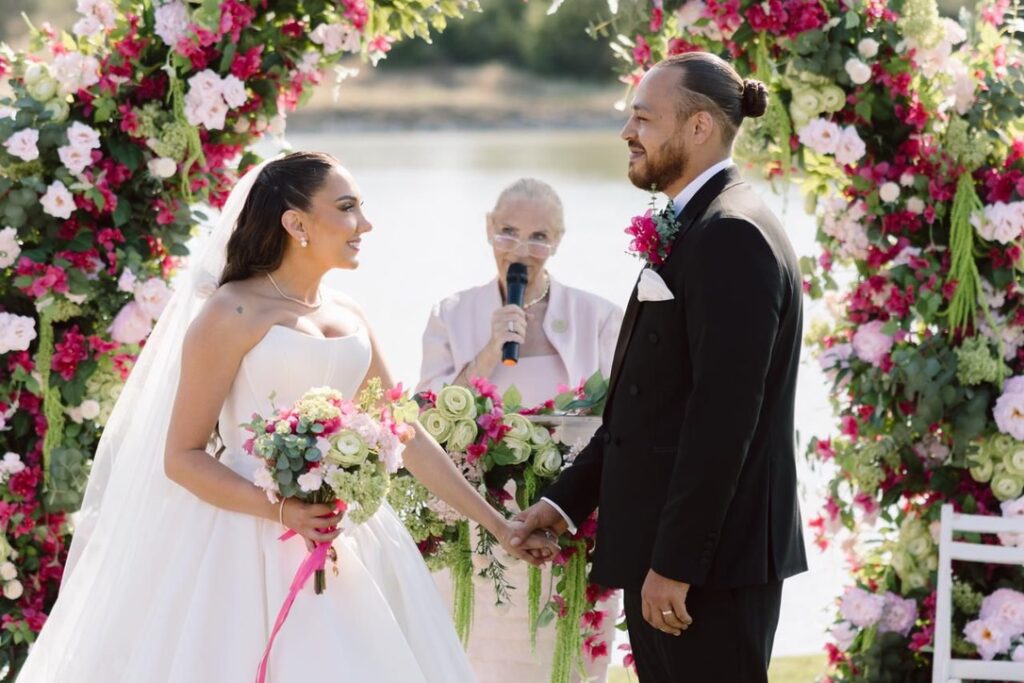
A beautiful ceremony rarely feels rushed or rigid. It feels natural, warm, and quietly well-held. That is why getting your wedding ceremony order right matters so much. It gives shape to the moment you have waited for, helps guests follow the story of your day, and creates space for the emotion, joy and meaning that make a ceremony memorable.
For some couples, the order is very traditional. For others, it is far more personal, perhaps blending cultures, including children, adding rituals, or removing anything that feels too formal. Neither approach is better. The right structure is the one that reflects you while still allowing the ceremony to flow with confidence.
What is the usual wedding ceremony order?
At its simplest, a wedding ceremony order is the sequence of key moments from the entrance to the final introduction or kiss. Most ceremonies follow a recognisable rhythm because it works. Guests settle, one or both partners make an entrance, there is a welcome, the promises are made, rings are exchanged, any readings or symbolic elements are woven in, and the ceremony closes on a joyful high.
That familiar shape is helpful, but it should never feel like a script imposed on you. A bespoke ceremony can still have excellent structure. In fact, the more personal a ceremony becomes, the more important good order is. Without it, lovely ideas can feel disjointed. With it, everything lands exactly as it should.
Bespoke Wedding Ceremonies
I write every ceremony specifically for my couples. I get to know them really well and understand what’s important to them and their families. From there, I write a personal, meaningful ceremony just for them. Not every celebrant works the same way. Some just use a ceremony template and then personalise it for the couple. It is really important to understand how your celebrant works so that you have the type of ceremony you would like.
A classic wedding ceremony order, step by step
Arrival of guests
This is the quiet beginning before the ceremony formally starts. Music sets the tone, guests take their seats, and the atmosphere begins to shift from social gathering to shared occasion. If there are reserved seats for close family, this should be clear and managed.
If you are having a larger celebration or a destination wedding where guests may be less familiar with the setting, good guidance at this stage makes a real difference. It helps everyone relax.
Entrance of the wedding party
This is often the most anticipated part of the opening. Depending on your style, it may include bridesmaids, groomsmen, children, one partner entering first, or both partners arriving together. Some couples prefer the traditional approach, while others choose something more contemporary and equal.
No rule says one person must be “given away” if that wording or symbolism does not feel right. You may walk in alone, with both parents, with children, with a sibling, or together as a couple. The order should support the meaning behind the moment, not just tradition for tradition’s sake.
Welcome and introduction
Once everyone is in place, the ceremony begins properly with a welcome. This sets the tone and acknowledges why everyone is there. It can be elegant and formal, relaxed and joyful, or somewhere in between.
A well-written welcome does more than greet guests. It invites them into your story and helps them understand the kind of ceremony they are about to witness.
Opening words
These words usually speak about marriage, partnership, commitment, or the significance of the day. This is often where the ceremony starts to feel deeply personal. For some couples, it is poetic and reflective. For others, it is simple, heartfelt, and modern.
If you are including family members from different backgrounds or faith traditions, this section can also acknowledge that gently and respectfully.
Readings, music, or meaningful contributions
Many couples choose to include a reading, live music, a short poem, or a contribution from a loved one before the formal promises. Placing these elements here can work beautifully because they deepen the emotional build-up.
That said, balance matters. Too many separate contributions can interrupt the flow. If you have several people you would like to include, it may be better to choose shorter pieces or spread meaningful moments elsewhere in the day.
The declaration of intent
This is the point at which each of you confirms that you are entering marriage freely and willingly. In some ceremonies, this is legally prescribed. In others, it can be phrased more flexibly.
Even when brief, this moment carries weight. It is clear, direct, and powerful.
Vows
For many couples, this is the emotional heart of the ceremony. You may choose traditional wording, write your own vows, or blend the two. Personal vows can be moving and memorable, but they do require thought. The strongest ones are sincere and grounded rather than overly long.
If one partner loves public speaking and the other does not, there are ways to keep things balanced. You might agree on a shared structure, a similar length, or a partly scripted format so neither person feels exposed.
Ring exchange
The exchange of rings is a simple act, but it holds enormous symbolism. This is often accompanied by a few words about what the rings represent – enduring love, commitment, unity, or the promises just made.
If you are including children or family members in the ceremony, this can be a lovely moment to involve them, provided the logistics are carefully planned.
Symbolic rituals
Not every ceremony includes a ritual, but when chosen thoughtfully, it can add real depth. Handfasting, unity candles, sand ceremonies, wine sharing, breaking the glass, or blending traditions from different cultures can all work beautifully.
The key is relevance. A ritual should mean something to you. If it is included only because it looked nice online, it may feel out of place. The best ceremonies are personal, not crowded. Learn more about ceremony rituals and special elements here.
Pronouncement and kiss
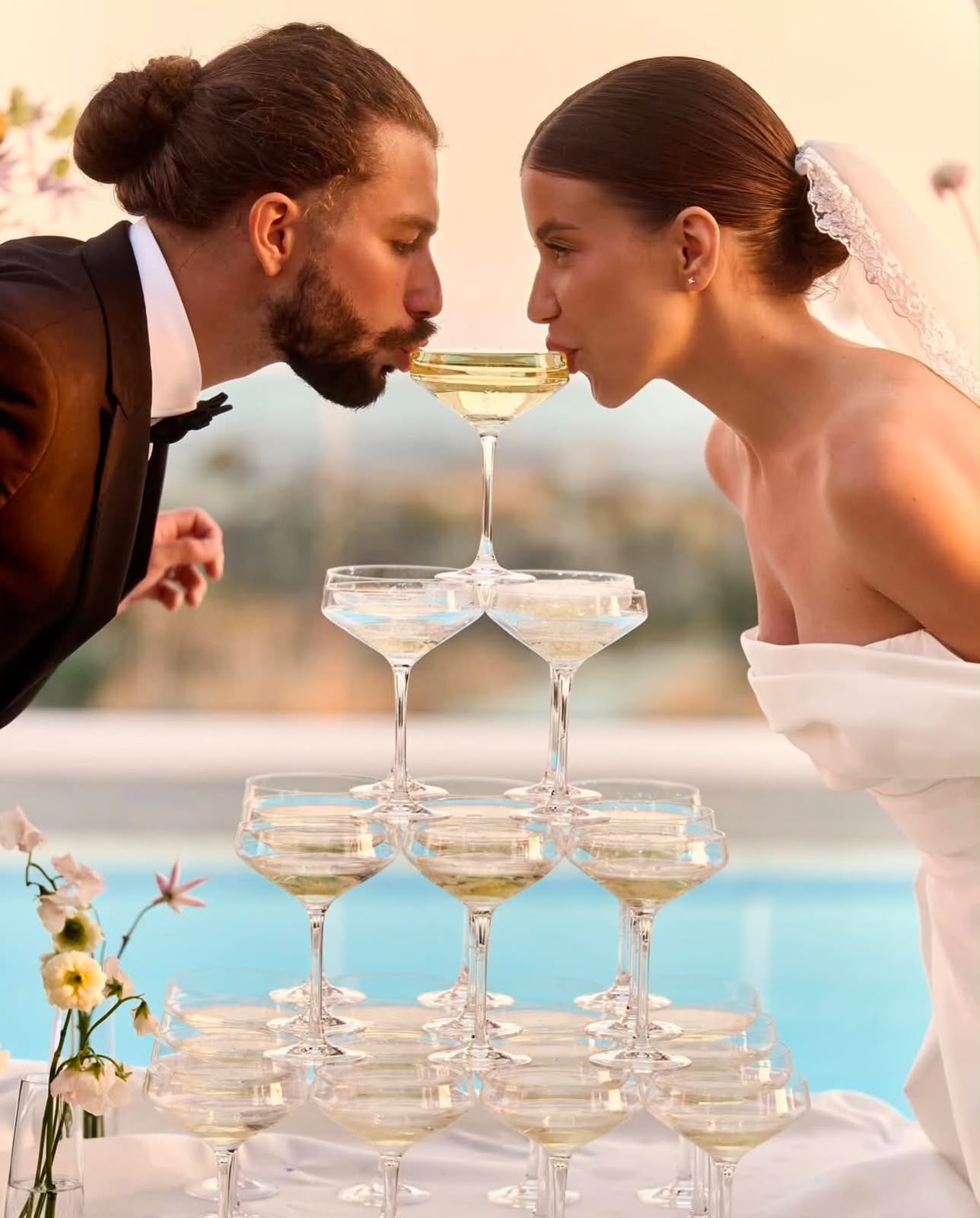
This is the joyful turning point when you are formally declared married. It is often followed by a kiss and a burst of applause. After the quieter intensity of vows and rings, this moment brings release and celebration.
Signing and presentation
In some ceremonies, there is a legal signing. In others, especially celebrant-led ceremonies, the legal paperwork is completed separately, and the symbolic signing can still be included if you wish. This is often accompanied by music.
The presentation at the end matters more than people sometimes realise. Being introduced in a way that feels right to you – whether traditional, modern, surnames changed or unchanged – gives the ceremony a confident and polished finish.
Recessional
This is your exit as newlyweds, followed by the wedding party and then guests. It should feel upbeat, clear, and celebratory. Good music helps, but so does good direction. Without that, guests can hesitate, and the energy can dip just at the wrong moment.
How to personalise your wedding ceremony order
The best wedding ceremony order is not about adding more. It is about choosing what deserves its place.
If family is central to your story, you might include a family blessing or a role for children. If your wedding is multicultural, you may want to honour more than one tradition in a way that feels balanced and authentic. If you are planning a destination wedding, you may prefer a structure that feels relaxed and elegant, especially in warm weather where guest comfort matters.
Timing also matters. A ceremony that is too short can feel abrupt. One that is too long can lose momentum. For most couples, around twenty to thirty minutes feels just right, though that depends on the number of readings, rituals, and musical elements included.
Common mistakes in the wedding ceremony order
One of the most common issues is trying to fit in every idea. A meaningful ceremony does not need to contain every tradition, every reading, and every symbolic act. Too many elements can make the important moments feel diluted.
Another mistake is leaving practical details too late. Who is holding the rings? When does the music start? Where should readers stand? What happens if there is wind, heat, or a microphone problem? Elegant ceremonies are usually supported by careful planning behind the scenes.
There is also the question of tone. A light, joyful ceremony can absolutely include humour, but it should not tip into awkwardness or feel like a performance. Equally, a romantic and emotional ceremony should still feel comfortable and natural for the couple at the centre of it.
When tradition works – and when to change it
Tradition can offer comfort, familiarity and a lovely sense of occasion. Many couples genuinely want that. There is nothing outdated about choosing a classic order if it feels true to you.
But tradition should never leave you feeling boxed in. If certain wording does not fit your relationship, if family circumstances are complex, or if you want to reflect a blended culture or second marriage with sensitivity, the order can and should adapt. This is where experienced ceremony planning becomes invaluable. Structure gives you confidence, while personalisation gives the ceremony heart.
A well-designed ceremony should feel as though it could only belong to the two of you. Calmly led, beautifully timed, and full of meaning, it becomes far more than the formal part before the party. It becomes the moment your guests remember, and the one you carry with you long after the day is over.
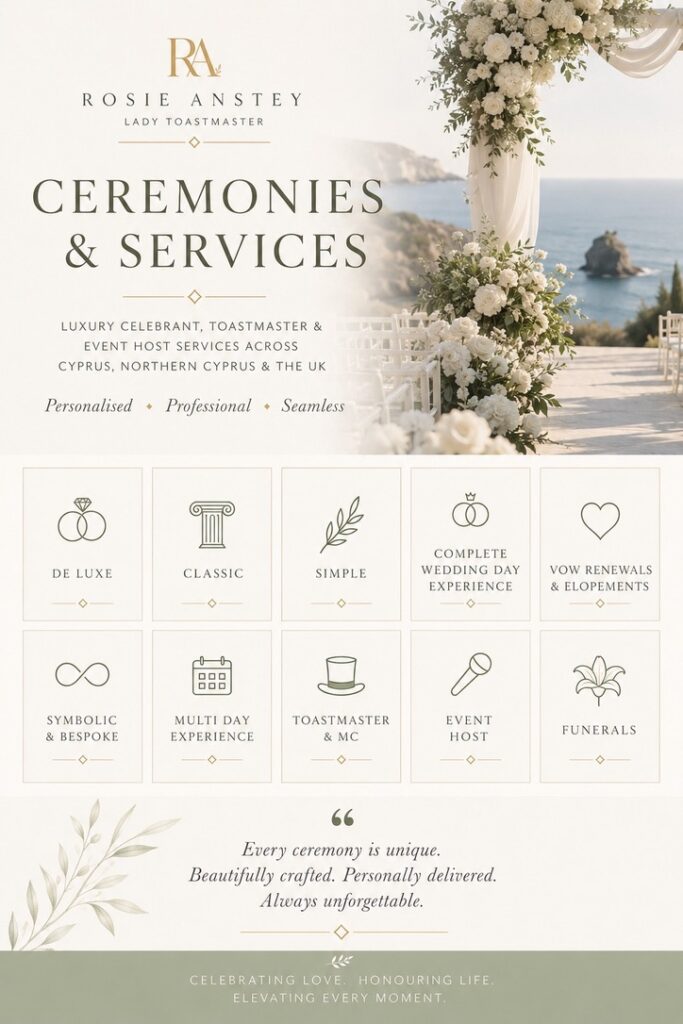
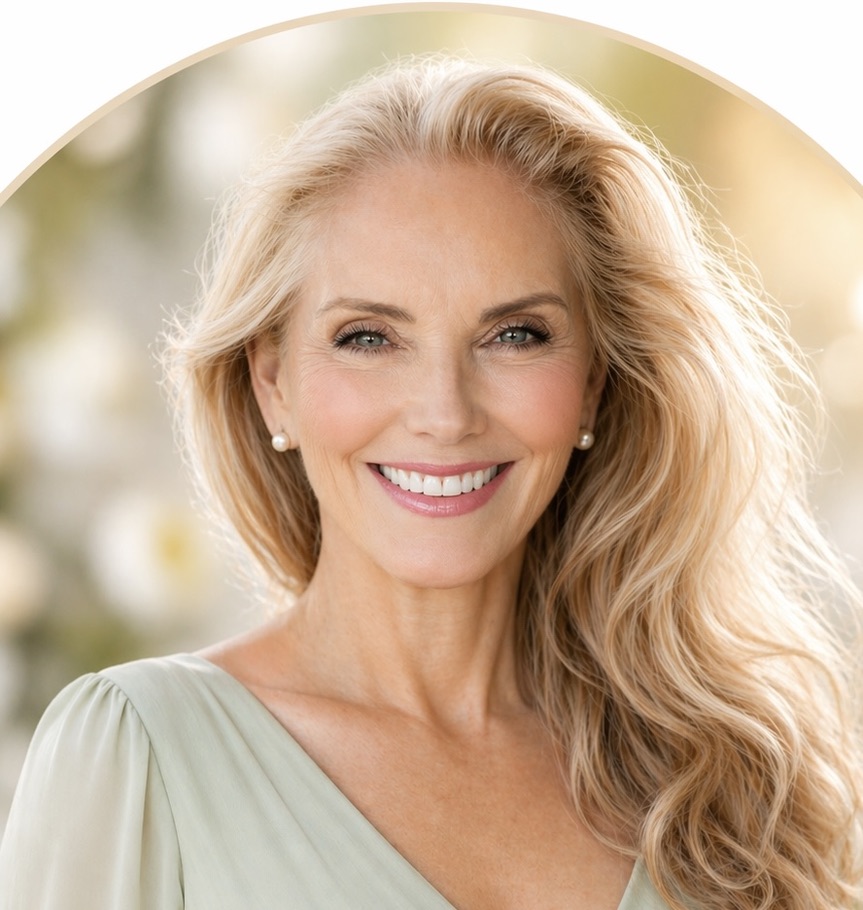
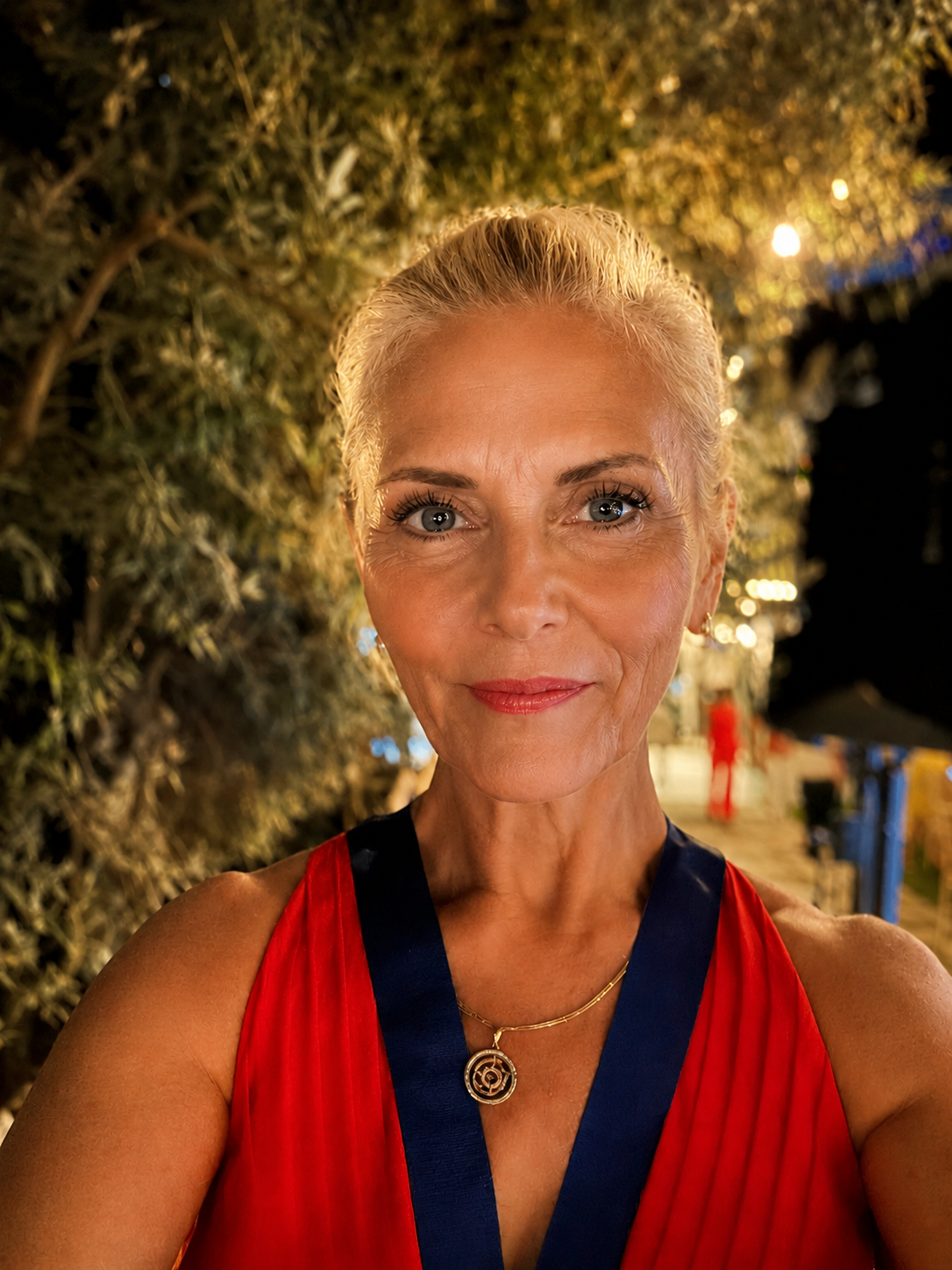
Working with Celebrant Rosie Anstey:
Your Ceremony Should Tell Your Story
Your wedding ceremony should never feel like a script that could belong to anyone else. It should be a true reflection of who you are, how you met, what you’ve overcome, what makes you laugh, and the journey that has brought you to this extraordinary moment.
When you choose me as your celebrant, I take the time to really get to know you. We talk, we laugh, we share memories, and together we create a ceremony that is completely personal, beautifully written, and filled with genuine emotion. Every word is crafted around your love story, your personalities, your values, and your vision for your day.
Whether you already know exactly how you want your ceremony to unfold or you’re looking for guidance and inspiration, I’ll be with you every step of the way, helping you create a celebration that feels effortless, meaningful, and unforgettable.
If you’re dreaming of a ceremony that your guests will still be talking about long after the last dance, I’d be delighted to help you bring that vision to life.
Let’s start creating a ceremony that’s unmistakably yours. Get in touch today, and together we’ll tell your story beautifully. Rosie Anstey. Professional Wedding Celebrant and Master of Ceremonies.
Quick Links
Toastmaster & Master of Ceremonies
Multicultural & Interfaith Weddings