The most memorable weddings rarely feel copied from a checklist. They feel like the couple at the centre of them – their story, their humour, their people, their values. If you are wondering how to plan a symbolic wedding, that is the real starting point. A symbolic ceremony gives you freedom, but with that freedom comes a few decisions that matter more than couples often expect.
Unlike a legal ceremony, a symbolic wedding is not bound by the same formal wording or venue restrictions. That means you can choose a setting that truly suits you, shape the ceremony around your relationship, and include traditions or personal touches that might not fit neatly into a registrar-led format. It also means you need to be clear about what the ceremony is for, how it will feel, and who will help bring it together beautifully.
What a symbolic wedding really allows you to do
A symbolic wedding is often chosen by couples who want more personality, more flexibility, and more emotional depth than a standard legal ceremony can offer. For some, it sits alongside a simple legal marriage completed before or after the wedding day. For others, especially in destination settings, it is the heart of the celebration because it allows them to marry in a place or style that feels meaningful.
The appeal is not only creative freedom. It is also emotional freedom. You are not trying to fit your relationship into a script written for everyone. You can include family heritage, cultural elements, spiritual references, readings that genuinely matter, or a tone that is elegant, relaxed, joyful, reflective, or all four.
That said, freedom works best with structure. A symbolic wedding should never feel vague or improvised unless that is very deliberately your style. The strongest ceremonies feel effortless to guests because they have been carefully planned.
How to plan a symbolic wedding with purpose
Before you think about flowers, music cues, or who walks in first, decide what you want the ceremony to say about you. Not in a grand, dramatic sense, but in a clear one. Do you want it to feel romantic and classic? Warm and intimate? Multicultural and family-centred? Light-hearted, with moments of sincerity? Those choices shape every practical detail that follows.
It helps to think in three layers. First, what is the emotional mood? Second, what must be included? Third, what can be added if it enhances the experience? Couples often begin with decorative ideas, but the ceremony usually becomes stronger when you begin with meaning.
For example, if family is central to your relationship, you may want parents, children, or siblings involved in a visible and sincere way. If your wedding brings together different nationalities, faith backgrounds, or traditions, you may want the ceremony to acknowledge both without making either feel tokenistic. If privacy matters more than spectacle, a smaller setting and a quieter script may suit you far better than a highly produced aisle moment.
Decide on the legal side early
One of the biggest practical points in how to plan a symbolic wedding is understanding the legal position from the outset. In the UK, and in many overseas destinations, a symbolic ceremony is not the legal act of marriage. You may therefore choose to complete the legal paperwork separately at a register office.
For many couples, this is actually a relief. It separates administration from celebration. Your legal marriage can be handled simply, while your symbolic ceremony becomes the occasion where you exchange vows in front of the people who matter most.
Still, this needs to be clear to everyone who needs to know, especially if family members assume the wedding day itself is the legal event. It is a small point, but clarity avoids confusion and keeps expectations in the right place.
Choose the right celebrant, not just a script reader
A symbolic wedding depends heavily on the person leading it. This is not simply someone standing at the front speaking nicely. A skilled celebrant helps shape the pace, the atmosphere, the transitions, and the emotional balance of the ceremony. They draw out your story with care and present it in a way that feels natural rather than theatrical.
The right fit matters. Some couples want a ceremony with gentle humour and warmth. Others want a refined, elegant tone. Some need someone experienced in multicultural ceremonies or destination planning. Some want support not only in writing the ceremony, but in managing nerves, family dynamics, and timing.
This is where experience makes a real difference. A polished celebrant will know when to guide, when to reassure, and when to refine your ideas so that they work well in the moment, not just on paper.
Build the ceremony around key moments
Once your overall tone is clear, start shaping the ceremony itself. Most symbolic weddings include an entrance, a welcome, some form of story or reflection, readings or contributions, vows, a ring exchange, a symbolic act if you want one, and a closing moment. That does not mean every ceremony should include all of these, or include them in exactly that order.
The better question is this: what moments will matter most when you look back? For some couples, private vows spoken in front of guests are the heart of everything. For others, it is a family blessing, a handfasting, a candle ceremony, or a shared toast at the end.
Symbolic rituals can be beautiful, but they should feel relevant. Adding a ritual simply because it photographs well can leave the ceremony feeling slightly borrowed. If you choose one, make sure it means something to you, whether that is unity, heritage, remembrance, or a new beginning.
Learn more about my Special Elements and ceremony rituals here
Write vows that sound like you
Vows are often the part couples feel most nervous about, and for good reason. They ask you to be sincere in public. But they do not need to sound poetic to be moving. They need to sound truthful.
Some couples prefer traditional-style vows with timeless language. Others want to write their own, with personal promises and references to everyday life. Both can work beautifully. The important thing is consistency of tone. If one vow is deeply formal and the other is full of jokes, it can feel lopsided unless that contrast is very much who you are.
Keep them warm, clear, and manageable to say aloud. A written vow often reads longer than it sounds. In practice, a concise vow delivered with feeling is usually far more powerful than a lengthy one read nervously from a page.
Think carefully about guest experience
A personalised ceremony is not only about what you want to say. It is also about how guests will experience it. Can they hear properly? Will they understand the significance of a cultural tradition being included? Is the ceremony long enough to feel meaningful, but not so long that it loses momentum?
This matters even more for outdoor or destination weddings. Heat, wind, uneven ground, travel delays, and sound issues can all affect the atmosphere. Planning well does not make the ceremony rigid. It makes it feel calm.
If you are marrying abroad, this is where local knowledge becomes especially valuable. Timing, layout, supplier coordination, and guest comfort all need a little extra attention when people are celebrating away from home.
Allow space for family, culture and real life
Many symbolic weddings involve more than two people in emotional terms. They may bring together children, stepfamilies, different faith backgrounds, or relatives with strong views about what a wedding should include. Good ceremony planning respects that without losing sight of the couple.
Sometimes the answer is inclusion. A reading from a grandparent, a nod to both cultural traditions, or a family blessing can make everyone feel seen. Sometimes the answer is thoughtful boundaries. Not every expectation needs to become part of the ceremony.
This balance is delicate, and it depends entirely on your family dynamics. What matters is that your wedding feels generous, not crowded by obligation.
Plan the flow beyond the ceremony itself
A symbolic wedding works best when it fits naturally into the wider day. Think about arrival music, how guests are guided into place, what happens immediately after the ceremony, and who is quietly keeping an eye on the timing.
This is often overlooked. Couples spend months choosing personal details, then leave the running order too loose. Yet the difference between a ceremony that feels polished and one that feels slightly uncertain is often found in these in-between moments.
If your celebrant also has experience as a master of ceremonies or event host, that can be particularly reassuring. It creates continuity, keeps the energy steady, and allows you to stay present rather than managing logistics yourselves.
Learn more about my Complete Wedding Day Experience
How to plan a symbolic wedding without losing the joy
There is a point in planning where couples can start second-guessing themselves. Should the ceremony be more traditional? More unique? Shorter? More emotional? This is usually where comparison creeps in.
The best answer is to return to the reason you chose a symbolic wedding in the first place. You wanted a ceremony with heart, personality, and room to breathe. That does not require endless additions. It requires confidence in what matters to you.
A beautifully planned symbolic wedding is not about doing more. It is about choosing well. The right words, the right tone, the right person to lead it, and the right setting for your promises can create something guests remember for years.
Permit yourselves to make it personal, polished, and unmistakably yours. That is where the magic usually begins.
Contact Rosie
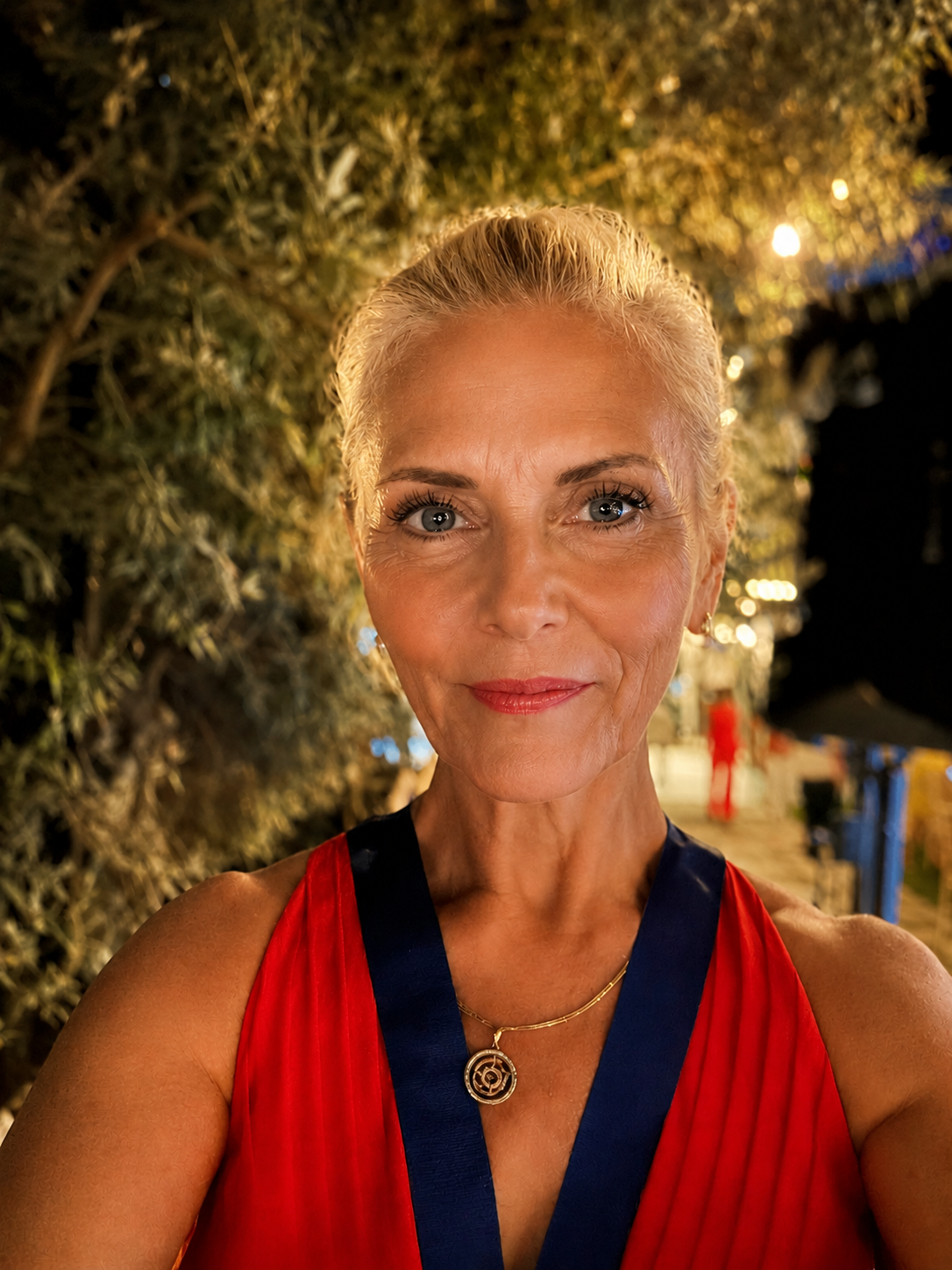
If you’re thinking about having a Symbolic ceremony and would like to chat about your vision for the day, I’d love to hear from you. Celebrant Rosie Anstey