Planning your own funeral may not be the task you imagined tackling over a quiet cup of tea, yet for many people, it becomes one of the kindest things they do for the people they love. When you think about how to plan your own funeral, you are not being morbid. You are giving your family clarity, reducing guesswork, and making space for a farewell that feels true to you.
For some, the starting point is practical. They have seen relatives left trying to make difficult choices in a haze of grief. For others, it is deeply personal. They want their values, beliefs, humour, music, and story reflected properly, rather than squeezed into a generic service. Both reasons are valid, and often they sit side by side.
Why planning ahead matters
A funeral is both an event to organise and a moment of meaning. Those two sides need equal care. Families often cope well with one or the other, but managing both at once can be exhausting. Clear wishes remove much of that pressure.
Pre-planning also helps avoid well-meaning disagreements. One person thinks you wanted a quiet cremation, another imagines a formal church service, and someone else insists you would have preferred a celebration with jazz and bright colours. If you have written it down, your loved ones do not have to second-guess themselves. Take a look at Personalised Ceremony Script Writing in the Planning Ahead section at http://www.celebrantrosieanstey.com
A Personalised Funeral Ceremony That Feels Right
That said, planning is not about controlling every second of the day from beyond the grave. A good plan offers guidance, not a script so rigid that it causes stress. The most helpful approach is to set out what matters most and allow some flexibility around the edges.
How to plan your own funeral without feeling overwhelmed
Begin with the big decisions first. Think about the overall type of farewell you want, rather than getting caught up immediately in flowers or stationery. Ask yourself what would feel most like you. Quiet and reflective? Warm and family-led? Traditional? Modern? Faith-based? Non-religious? A true answer here makes every later choice easier.
You will also need to consider whether you prefer burial or cremation. For some people, this is a firm conviction rooted in faith, culture, or family tradition. For others, it comes down to cost, simplicity, environmental concerns, or a favourite place that could shape a later ashes ceremony. There is no universally right choice, only the one that fits your beliefs and circumstances.
Once that foundation is clear, think about who you would trust to carry out your wishes. This matters more than many realise. The most detailed funeral notes in the world are only useful if someone knows where they are and feels confident acting on them. Choose a person who is calm, dependable, and willing to have open conversations.
Write down your essential wishes
A written record is invaluable. It does not have to be complicated, but it should be clear. Include your full name, date of birth, NHS number if you wish, key contacts, and whether you have a will or funeral plan. Then set out the essentials of the funeral itself.
This usually includes whether you want a burial or cremation, the type of service you prefer, any religious or cultural elements, your preferred venue, if any, and who you would like involved. You might name particular people for readings, music, pallbearers, or speaking. If there are family sensitivities, this is also the place to note them gently.
If you want a celebrant-led service, say so. This can be especially helpful if you are looking for something deeply personal rather than formal and standardised. A bespoke ceremony often gives families far more room to reflect on a real life, with its character, stories, relationships, and even its lighter moments.
Think carefully about tone
One of the most overlooked parts of funeral planning is tone. Yet tone is what people remember. Not in a technical sense, but in how the day felt.
Do you want black clothing and traditional hymns, or would you rather have guests wear colour? Should the service be intimate and restrained, or open-hearted and gently celebratory? Is there room for humour, or would you prefer quiet dignity throughout? These are not small details. They shape the emotional experience for everyone present.
It can help to write a few lines describing the atmosphere you hope for. Something as simple as, “I would like my funeral to feel warm, elegant, and uplifting,” gives your family a strong sense of direction.
The details that make a funeral personal
This is where planning your own funeral becomes less about logistics and more about identity. Personal touches should not be added for the sake of it. They should reveal something honest about your life.
Music is often the strongest place to begin. Choose pieces that mean something to you, not songs you think ought to be included. That may be a hymn, a classical piece, a favourite love song, folk music, or something unexpected that instantly brings your personality into the room.
Readings matter too. Some people choose poetry, scripture, or literary extracts. Others prefer a simple letter, a family memory, or a few words written especially for the service. If there is a poem you have always loved, write it down now. Families are often relieved to have that guidance later.
You can also think about visual details. Flowers, photographs, clothing, a memory table, a particular scent, or a meaningful location can all contribute. Equally, you may prefer simplicity. A beautifully understated service can be every bit as moving as one with many elements.
Consider who will speak for you
Many people assume a close family member will deliver a tribute, but that is not always the best choice. Grief affects everyone differently, and public speaking can feel impossible at such a time. If there is someone who knows you well and would be comfortable speaking, you can suggest them. If not, provide notes that can be woven into the ceremony by a celebrant or officiant.
A few pages about your life can make an enormous difference. Include family history, important relationships, career milestones, passions, values, favourite sayings, achievements, and amusing quirks. These details help create a service that feels human, not generic.
Funeral Costs, paperwork, and practical decisions
A thoughtful plan should include the practical side as well. Funerals can be expensive, and uncertainty around money adds strain at exactly the wrong moment. If possible, note whether funds are set aside, whether you hold a prepaid funeral plan, and where relevant documents can be found.
It is sensible to tell your family where your will is kept and whether you have recorded your wishes separately from it. Funeral preferences should not be left only in a will, because wills are often read after the funeral has already taken place.
You may also want to record preferences around notices, flowers, or charitable donations. Some people prefer family flowers only. Others ask for donations in memory of a cause close to their heart. Neither is better. It depends on what feels appropriate to you and manageable for your family.
If your family is spread across different parts of the UK or abroad, you may wish to mention this in your planning. Timing, travel, and whether a livestream might help people attend are all practical considerations that can ease pressure later.
When plans need flexibility
No matter how carefully you prepare, circumstances can change. Health, finances, family situations and venue availability may all affect what is possible. That is why the best funeral plans combine clear priorities with a measure of grace.
You might separate your wishes into two groups: what matters deeply, and what is simply a preference. For example, a particular piece of music may be essential to you, while the exact flower choice may not. This helps your loved ones honour your intentions without feeling they have failed if a small detail has to change.
Review your notes every few years. If your beliefs, relationships, or practical arrangements shift, your funeral wishes may need updating, too.
Talking to your family about your funeral wishes
This is often the hardest part, but usually the most valuable. A gentle conversation now can spare a great deal of uncertainty later. You do not need to make it dramatic. In fact, it is often better when it is calm and matter-of-fact.
You might simply say that you have put your wishes in writing to make things easier when the time comes. Framing it as an act of care helps. Most families, once past the initial discomfort, feel relieved.
If the conversation brings up differences of opinion, that is not necessarily a bad sign. It gives everyone a chance to understand your choices while you are able to explain them. That clarity can be a real gift.
For those who would like support in shaping a meaningful and well-held farewell, working with an experienced celebrant can also be reassuring. A bespoke, pre-planned ceremony allows your personality, beliefs, and family dynamic to be considered with care, rather than left to chance.
Planning your own funeral is, in many ways, about love. It is a practical expression of it, certainly, but also a personal one. You are saying: this is who I am, this is what matters to me, and this is how I hope the people I love will feel held when they say goodbye.
Have you ever been to a funeral and thought, “I wouldn’t want mine to be like that”?
Maybe it has triggered thoughts, ideas, and discussions.
How would you like your ceremony to be when the time comes?
Have you ever considered planning your send-off to take the pressure and responsibility away from your loved ones?
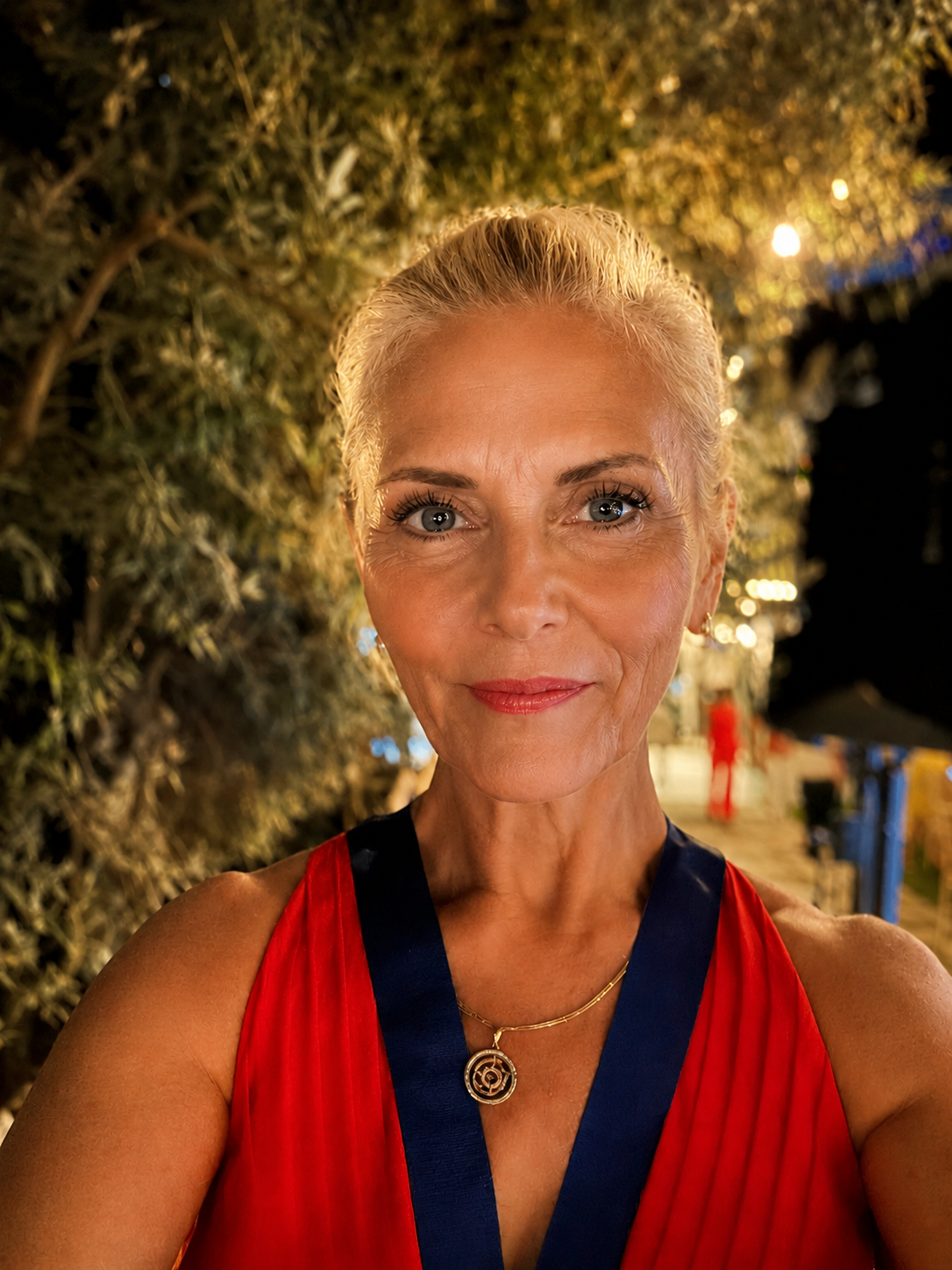
Celebrant Rosie Anstey works with people to plan and write their ceremonies in advance, wherever you are in the world.
“I have had the privilege of planning funeral ceremonies with people whilst they are still alive. That way, they have been able to tell me exactly how they want their ceremony.
They choose the readings, poems, and music, and together we craft a ceremony that truly reflects them.
It is an absolute honour to do this for people, especially those who are terminally ill”.
Contact Rosie using the links below if you would like to chat about planning your funeral ceremony.
Take a look at Celebrant Rosie Anstey’s book: A Beautiful Goodbye: A Practical and Compassionate Guide to Creating a Meaningful Funeral, Memorial or Celebration of Life. https://www.amazon.co.uk/dp/B0CTHQHKH2