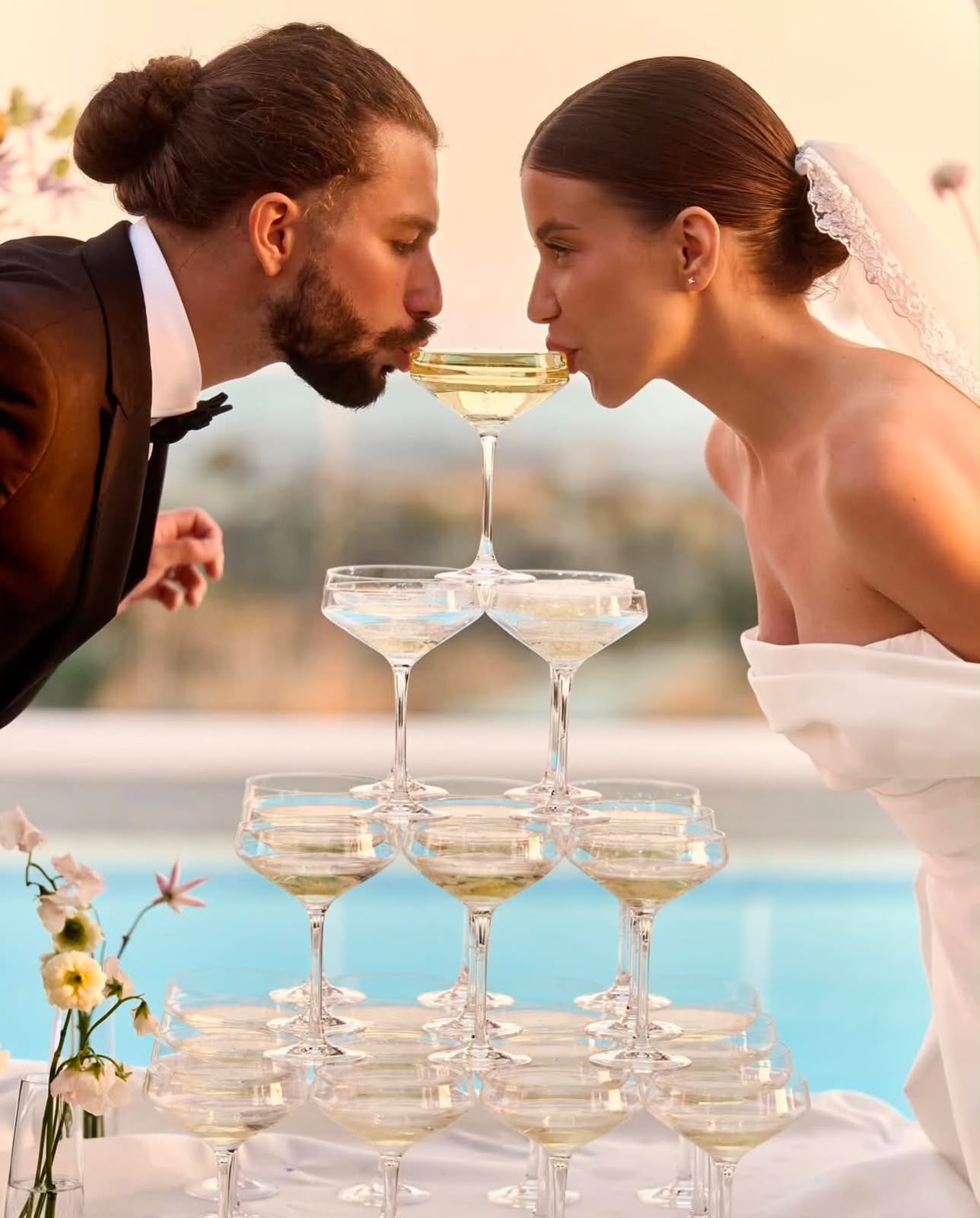
The part most couples underestimate is not the dress, the menu, or even the guest list. It is the clock. Your wedding timeline shapes how the whole day feels, and when it is planned well, everything has room to breathe. When it is too tight, even the loveliest plans can start to feel hurried.
A good timeline is not about squeezing in as much as possible. It is about protecting the moments that matter. The walk-in. The pause before your vows. The conversations over drinks. The chance to actually eat your meal while it is still warm. Whether you are planning an intimate celebration or a larger, more layered event, the right structure helps the day feel relaxed, elegant, and genuinely enjoyable.
Why your wedding timeline matters more than most couples expect
A wedding day is full of moving parts, and each one affects the next. If hair and make-up run late, the photographer loses portrait time. If the ceremony starts behind schedule, the drinks reception shortens. If speeches overrun, dinner service slips, and your evening guests arrive before you have had five quiet minutes together.
That does not mean every minute must be controlled. In fact, the best wedding timelines allow for natural movement. Guests need time to mingle. You need time to absorb what is happening. Suppliers need realistic handover points. A thoughtful timeline creates flow rather than pressure.
This matters even more if your celebration includes travel, multiple locations, cultural traditions, or a destination setting. A wedding in Cyprus, for example, may need careful planning around heat, transport, and light for photography. A multicultural wedding might need room for separate rituals, wardrobe changes, or family participation. These details are beautiful, but they do need time.
Start with the shape of the day
Before choosing exact timings, think about the experience you want. Do you want a leisurely feel with a long drinks reception and sunset portraits? Do you want a shorter, more intimate day centred around the ceremony and meal? Are you hosting a formal celebration with speeches, entertainment, and a strong evening programme?
Your priorities should lead your timings, not the other way round. If your ceremony is the heart of the day, protect the lead-in and the time afterwards. If being with your guests matters most, avoid spending half the afternoon moving between posed photo setups. If a lively evening party is a major feature, make sure there is enough of a break between dinner and dancing for everyone to reset.
This is often where couples get caught up in comparison. A timeline that worked beautifully for a friend may not suit your venue, guest list, or style at all. A relaxed country house wedding moves differently from a city ceremony followed by a private dinner. A destination wedding often works best with a gentler pace than a tightly packed one-day schedule.
Build your wedding timeline from the ceremony outward
The ceremony is usually the natural anchor point. Once that start time is set, the rest of the day becomes easier to map.
For many couples, the biggest question is when the ceremony should begin. Earlier ceremonies can create a fuller day and work well if you want afternoon dining or a long evening celebration. Later ceremonies suit couples who prefer a slower morning or a more sunset-led atmosphere. Neither is better. It depends on the season, your venue restrictions, your guest travel, and the style of celebration you want.
As a guide, work backwards from the ceremony for getting ready, supplier arrivals, and travel, then forwards for drinks, photographs, dining, and evening events. Build in margins. Not dramatic ones, just sensible breathing space. Ten to fifteen minutes here and there often makes all the difference.
How long should the ceremony itself take?
This varies more than people realise. A simple ceremony might take around twenty minutes. A bespoke celebrant-led ceremony with readings, music, personal elements or symbolic rituals may take thirty to forty-five minutes. If family members are involved, or if you are including cultural or faith-inspired traditions, allow more time rather than less.
That is not a reason to keep things minimal unless you want to. Meaningful ceremonies are worth making space for. The answer is simply to be realistic. If your ceremony is richly personal, your timeline should honour that rather than treat it as a brief formality.
The timing couples are most likely to underestimate
Getting ready is one of them. Hair and make-up often take longer than expected, particularly with a larger wedding party, separate locations, or travel between venues. The final half hour before leaving can vanish quickly once people start looking for shoes, pinning buttonholes, and gathering bags.
Guest arrival is another. Even with excellent directions, some guests will be early, and some will cut it fine. If transport is involved, there is always potential for delay. It helps to invite guests slightly earlier than the true ceremony start, especially for larger or unfamiliar venues.
Photography also needs honest planning. Group photographs can take a considerable amount of time, particularly if there are many combinations and guests wander off to the bar. Couple portraits need enough time to feel calm, but not so much that you miss your own reception. A good photographer will help you judge this, but the timeline should support it.
Then there is the meal. Serving a large number of guests takes time, and formal dining naturally slows the pace of the day. If you are planning speeches before the meal, remember that hungry guests may struggle to focus. If you place speeches afterwards, consider the energy levels in the room. There is no perfect answer, only what best suits your guests and your priorities.
Creating flow between moments
A lovely wedding day does not feel like a checklist. It feels connected. That is why transitions matter.
Think about what guests are doing while you move from one part of the day to another. If you are having photographs after the ceremony, are guests enjoying drinks, canapés, or entertainment? If there is a room turnaround, is there enough happening elsewhere so nobody feels adrift? If evening guests are arriving later, is the handover between the daytime celebration and the evening reception clearly planned?
These are the details that create ease. They are also where an experienced celebrant or master of ceremonies can quietly make a huge difference, because someone needs to keep the day moving without making it feel managed.
When to leave space in your wedding timeline
Not every gap is a problem. Some are a gift.
A short pause after the ceremony lets people offer congratulations naturally rather than in a rushed receiving line. A few extra minutes before dinner allows guests to refresh themselves and settle. A little space for the two of you to step away together can become one of the most memorable parts of the day.
The aim is not an empty schedule. It is a day with enough room for real life to happen. Find out more about Wedding Ceremony packages
If you are planning a destination or multicultural wedding
Your wedding timeline needs even more care when there are extra layers involved. Travel times can be harder to judge in unfamiliar locations. Heat can affect ceremony comfort, flowers, make-up, and guest energy. Language differences or local supplier customs may change how the day is staged.
For multicultural weddings, timing often carries emotional as well as practical weight. A tea ceremony, handfasting, religious blessing, or family-led ritual should never be squeezed in as an afterthought. These moments deserve proper space and a good explanation so guests can engage with them.
This is where early coordination matters. If your ceremony, venue team, planner, photographer, and entertainment all understand the running order, the day feels beautifully cohesive. If each supplier is working from a different version of the plan, confusion arrives quickly.
A realistic approach beats a perfect one
There is often pressure to create a flawless timeline. In reality, the best one is simply realistic, well communicated, and centred on what matters most to you.
That may mean trimming things you do not care about so you can protect the elements you do. It may mean accepting that if you want an elaborate drinks reception, ten speeches and a live band setup, something else has to give. It may mean choosing a slightly earlier ceremony so the evening does not feel compressed. Trade-offs are normal. Good planning is really about choosing them deliberately.
Once your timings are in place, share a clear version with the people who need it. Suppliers should know where they are meant to be and when. Key members of the wedding party should understand their role. You do not need every guest to see every detail, but the people helping the day run smoothly need confidence and clarity.
And then, as the day approaches, trust the structure you have built. A wedding should feel alive, not mechanical. If a hug takes longer, if applause runs on, if sunset arrives a few minutes earlier than expected, that is not failure. That is a real celebration unfolding.
Your wedding timeline is there to support the day, not control it. When it is planned with care, it gives you something invaluable – the freedom to be fully present in a day that should feel like yours from beginning to end.
Looking for someone to plan and manage your day?
Rosie Anstey is an expert in managing your wedding day. As a professional toastmaster, she writes your timeline, coordinates your suppliers, guests, and bridal party for a seamless event.
Contact Rosie using one of the links below or message her at rosie@celebrantrosieanstey.com