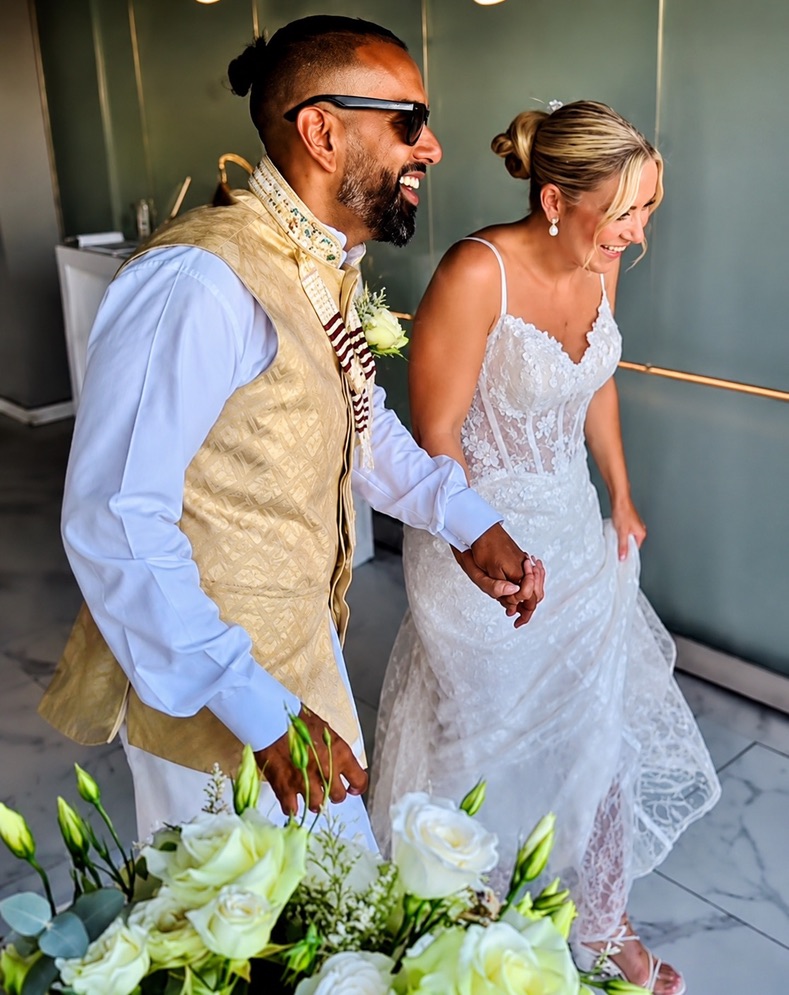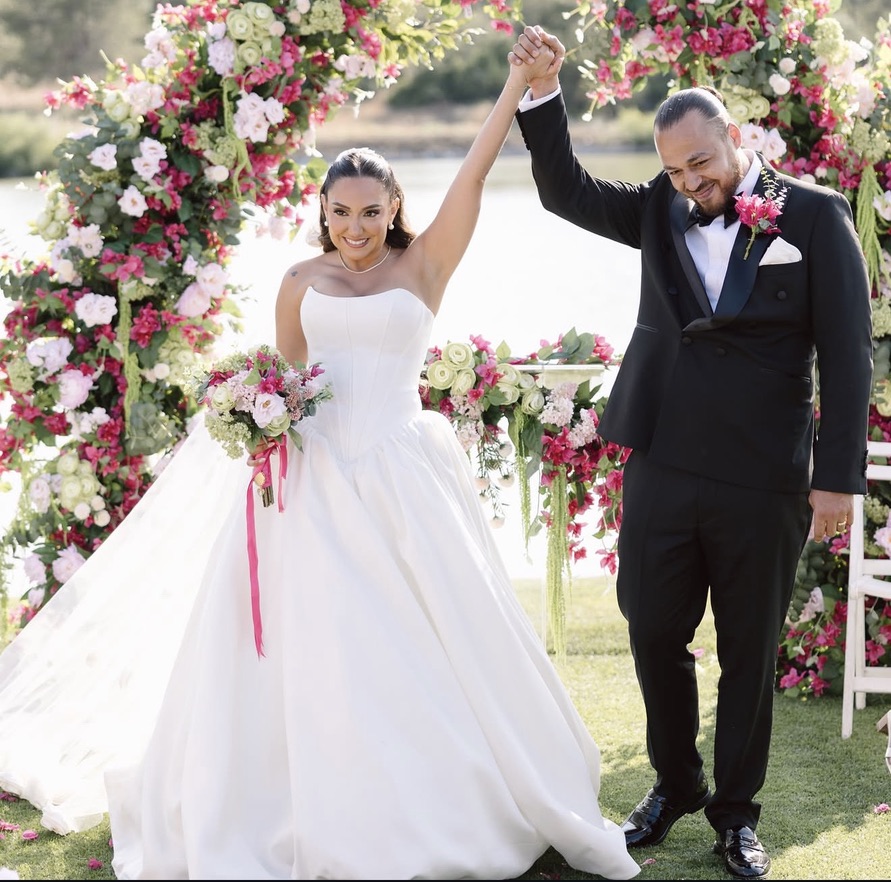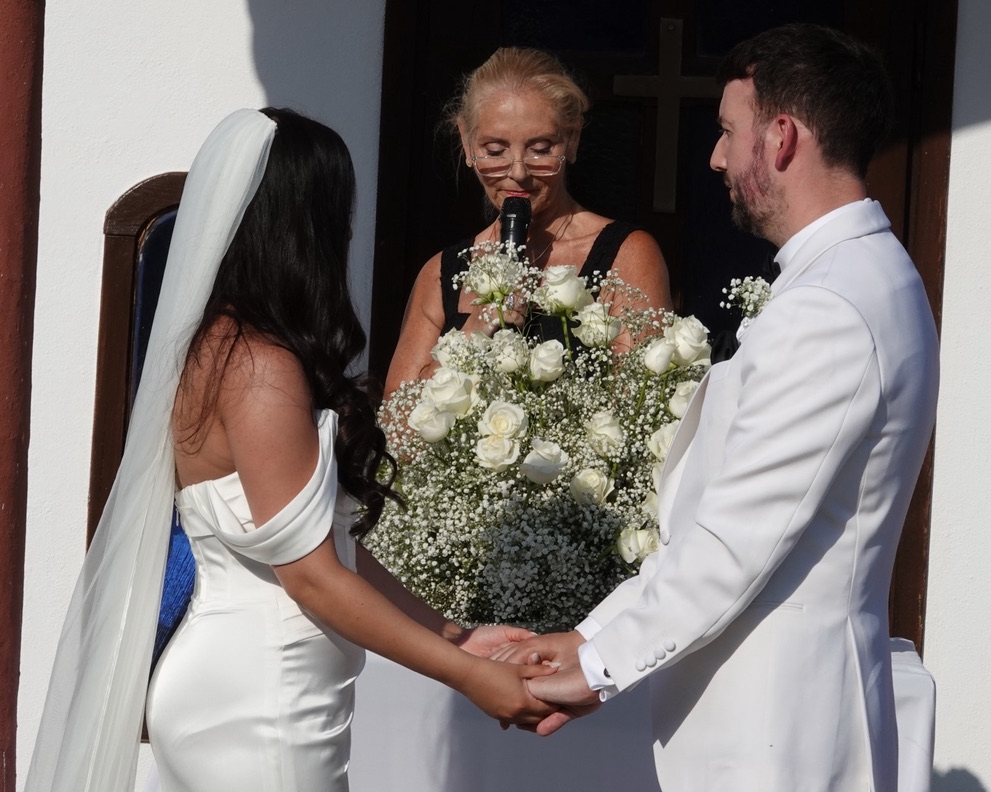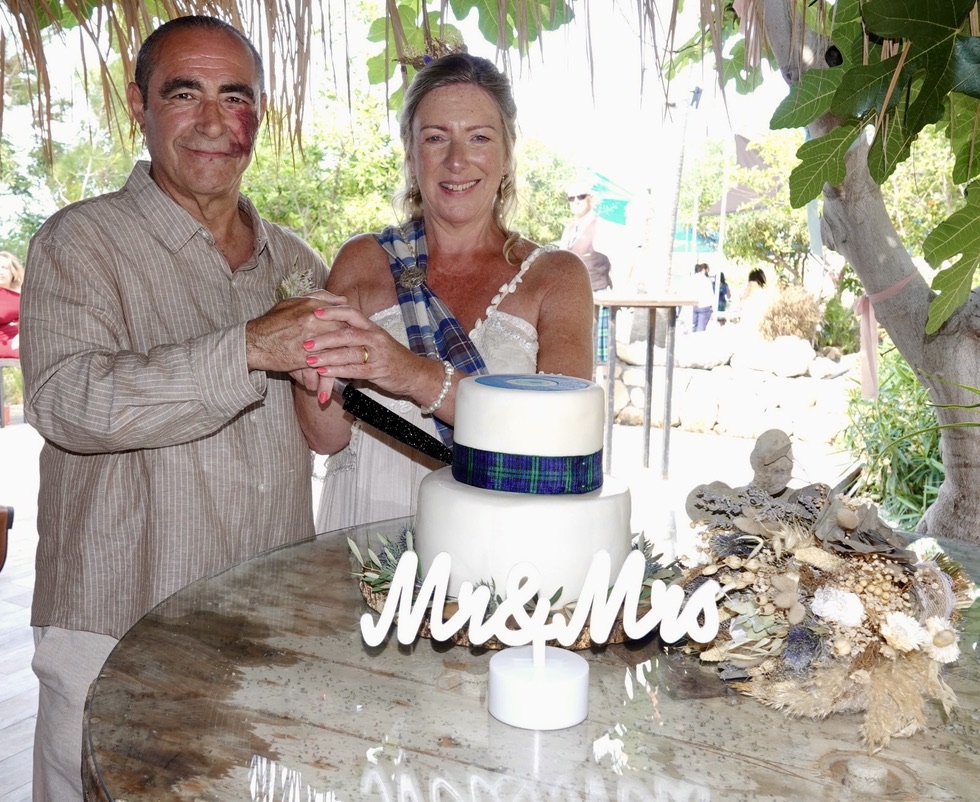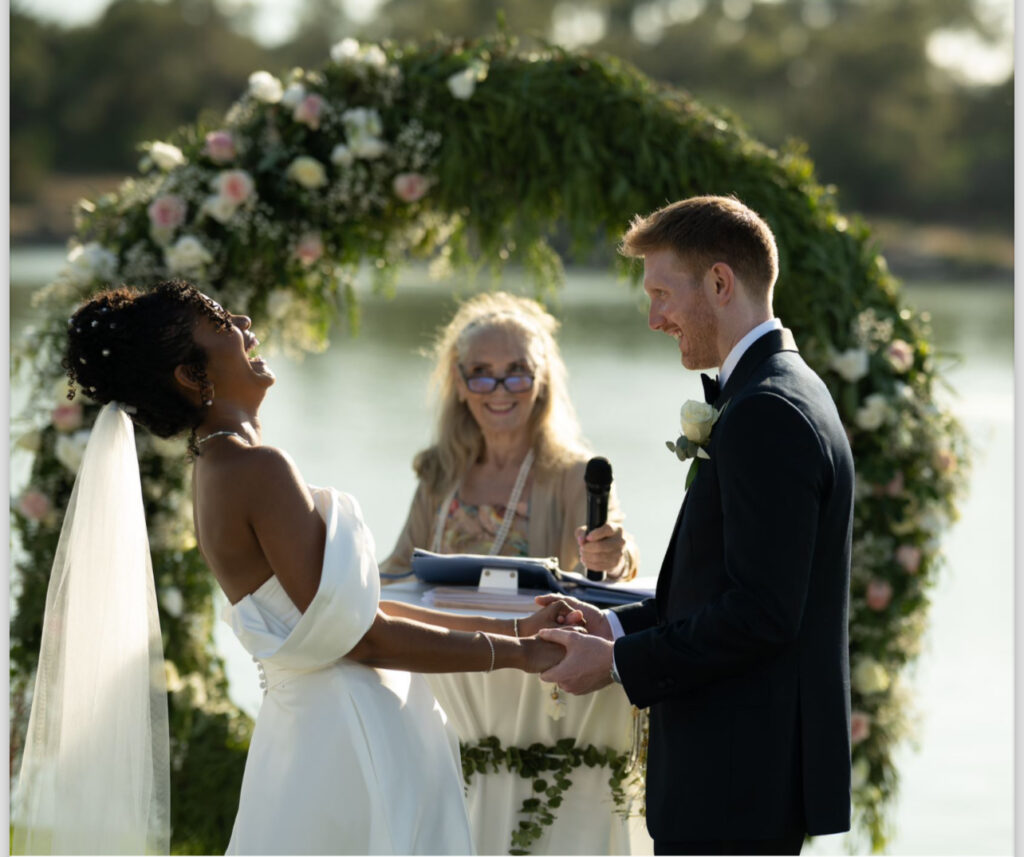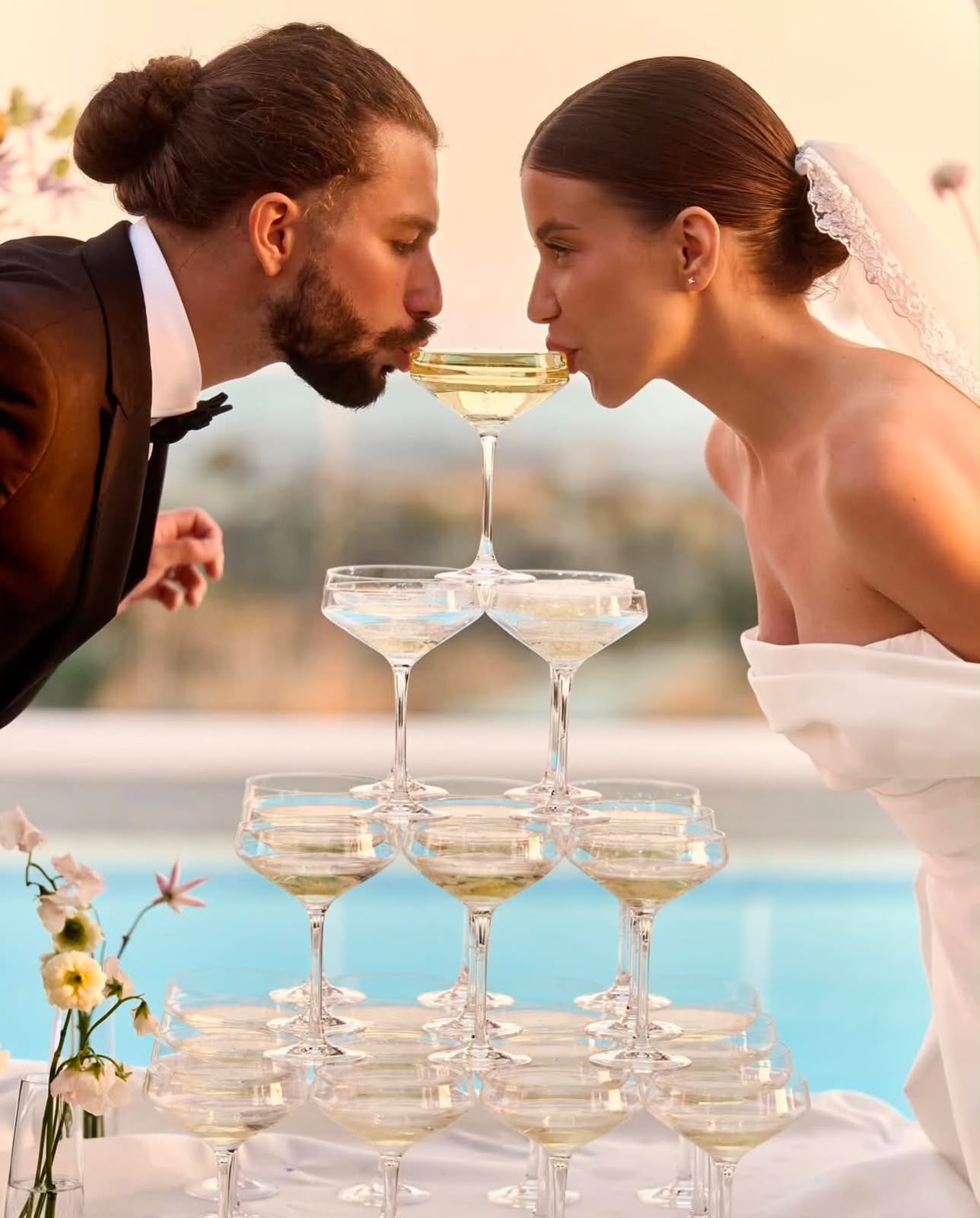
A Faith-Inclusive Wedding Ceremony with Celebrant Rosie Anstey is personal and memorable. Every ceremony I perform is unique because every couple is unique. I love learning about my couples, their heritage, beliefs, love story, and crafting a ceremony that feels just right for them. I enjoy writing ceremonies that are as unique as your love story and weaving in cultural elements that hold special meaning for you. Whatever your faith or beliefs, I work with you to create a meaningful day.
Let’s explore how to create a faith-inclusive ceremony.
A couple stands in front of the people they love most, and one wants a prayer included while the other feels more comfortable with a secular tone. A parent hopes for a cherished religious reading. A grandparent worries that family tradition is being left behind. This is often where a faith-inclusive wedding ceremony begins – not with conflict, but with care. Everyone wants the day to feel true, respectful, and warm.
When it is handled well, a ceremony like this does something rather beautiful. It makes space for belief without pressure, tradition without rigidity, and personal meaning without anyone feeling pushed to perform a version of faith that is not their own. That balance is possible, but it rarely happens by accident. It comes from thoughtful choices, clear conversations and a ceremony designed with genuine sensitivity.
What a faith-inclusive wedding ceremony really means
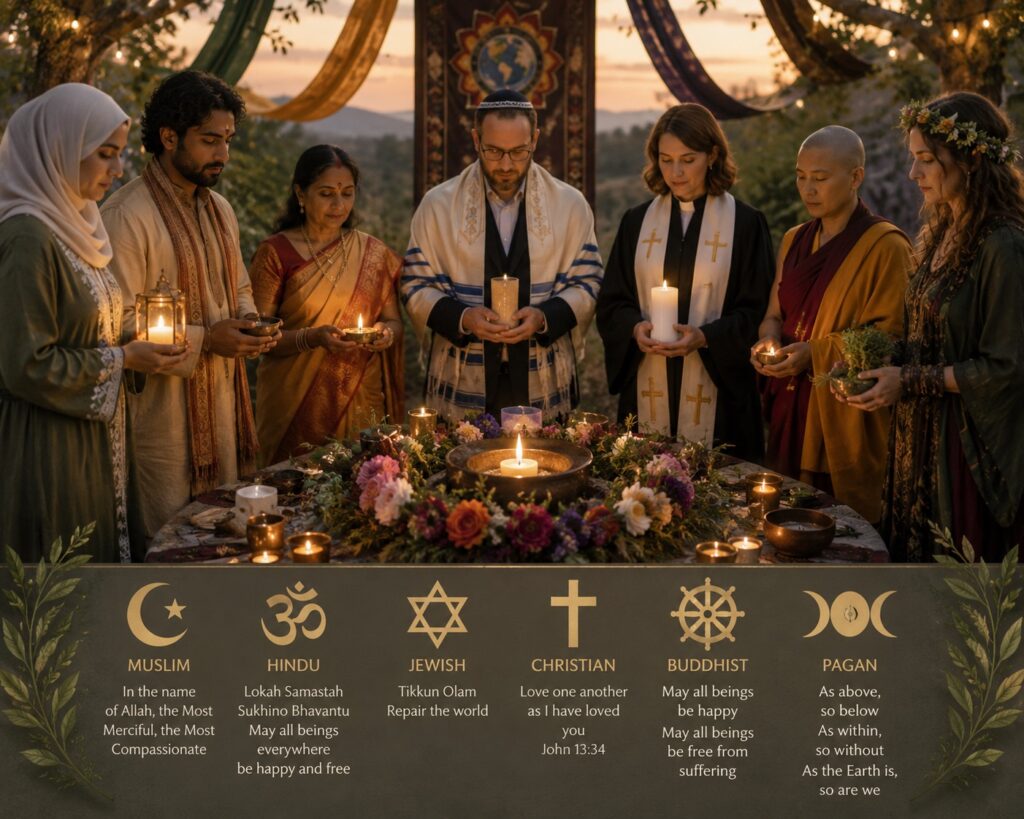
A faith-inclusive wedding ceremony is not simply a religious ceremony with a few secular moments added in. Nor is it a non-religious ceremony that nods politely towards faith. It is a ceremony designed to honour the couple’s beliefs, values and backgrounds in a way that feels coherent and sincere.
For some couples, that means blending two different faith traditions. For others, it means one partner is religious, and the other is not. Sometimes the couple is spiritual but not attached to organised religion, yet they still want language that reflects gratitude, reverence or family heritage. In multicultural families, faith and culture are often woven together, so one cannot be acknowledged without the other.
That is why there is no single formula. The right ceremony depends on who you are, what matters to you, and how you want your guests to feel when they witness your marriage.
Start with honesty, not performance
The strongest ceremonies begin with a simple question: what genuinely feels like you both?
It can be tempting to build a ceremony around expectation. A parent may hope for a hymn. A relative may assume there will be a blessing. You may feel obliged to include something because it is traditional, even if it sits awkwardly with your relationship or beliefs. But guests can tell when something has been included out of duty alone. More importantly, so can you.
A better starting point is honesty. Talk openly about the role faith plays in your lives now, not how it looked in childhood or how others think it ought to look. If one of you attends worship regularly and the other does not, say so. If you both value ritual but not doctrine, say that too. If your connection to faith is cultural, emotional or family-led rather than devotional, that matters just as much.
This is not about getting every answer perfectly aligned. It is about understanding where you each stand, so the ceremony can reflect your reality rather than a performance of togetherness.
The parts of a faith-inclusive wedding ceremony
Most ceremonies are made up of familiar elements: an opening welcome, readings, promises, symbolic moments, the legal or declarative wording where needed, rings and a closing blessing or final words. Inclusivity comes not from inventing something entirely new, but from shaping these elements with care.
An opening can immediately set the tone. It might acknowledge the presence of loved ones from different backgrounds and recognise that marriage is understood in many ways – spiritually, culturally, emotionally and socially. That sort of wording creates a sense of belonging straight away.
Readings are often where couples find an elegant balance. You might choose one text from a faith tradition and another from literature, poetry or family writing. If a sacred reading is included, context matters. A brief introduction can help guests understand why it has meaning for you, especially if not everyone shares that tradition.
Vows are another key moment. Some couples prefer entirely bespoke vows written in their own words. Others want a more traditional structure because it carries weight and clarity. A blended approach often works beautifully – formal promises spoken publicly, followed by personal vows that express the heart of the relationship.
Symbolic rituals can also be very effective, provided they feel purposeful rather than decorative. A handfasting, candle-lighting, wine-blessing, or family ritual can create a shared moment of meaning. The trade-off is that too many symbolic elements can make the ceremony feel fragmented, so it helps to choose one or two that truly belong. Explore some of the Special Elements and Rituals I include in ceremonies.
Respect matters more than symmetry
One of the biggest misconceptions is that inclusivity means everything must have equal airtime. In practice, that is not always the most respectful option.
If one faith tradition has played a much larger role in your family life, or if one ritual carries particular emotional importance, it may be entirely right for that element to have more presence. What matters is not mathematical balance, but whether both of you feel seen and comfortable.
For example, a couple may include a prayer because it matters deeply to one partner and is warmly accepted by the other, while choosing not to include communion or a more formal act of worship that would feel too specific or exclusive. Another couple may decide against spoken prayer altogether, but invite a quiet reflective moment that allows religious guests to pray privately and secular guests to reflect in their own way.
Inclusivity is not about diluting everything until it means very little. It is about making thoughtful choices that do not erase anyone.
How to include family without losing yourselves
Family can be a wonderful source of richness in a faith-inclusive wedding ceremony. They can also be the source of the most delicate conversations.
Often, relatives are not trying to control the day. They are trying to protect what they love, what they recognise, and what they believe gives marriage its depth. When viewed through that lens, even firm opinions can make more emotional sense.
That does not mean every request should be accepted. It does mean those conversations are best handled with kindness and confidence. If you explain that the ceremony will honour heritage while still reflecting who you are as a couple, many families feel reassured. They want to know that tradition is being respected, not dismissed.
There are gentle ways to include loved ones.
- A parent or grandparent might offer a reading.
- A family blessing can be adapted into inclusive wording.
- Music from a religious or cultural tradition can be included even if the spoken ceremony remains broader in tone.
- These gestures can carry great meaning without shifting the whole ceremony away from your shared values.
Language makes all the difference
Words have enormous power in a ceremony, especially when guests hold different beliefs. Small choices in language can make the atmosphere feel welcoming rather than divided.
Phrases that speak of love, commitment, hope, grace, community and blessing often resonate widely. They can hold spiritual significance for some and human significance for others. Equally, if explicitly religious language is important to you, it can be included with warmth and clarity rather than assumption.
The key is intention. If wording is likely to exclude, confuse, or alienate a significant part of the room, it may need adjusting. If it expresses something deeply important and truthful to the couple, it may be worth keeping. This is where experienced ceremony writing matters. A script can be both precise and generous.
Planning a faith-inclusive wedding ceremony abroad
Destination weddings can add another layer, particularly when couples are bringing together guests from different countries, customs, and expectations. In places such as Cyprus, where couples often choose a relaxed and beautiful setting, the ceremony can become even more personal because it is already taking place outside the structures of home.
That freedom is lovely, but it helps to be practical. Consider how your guests will understand what is happening, whether any traditions need explanation, and how to create moments that feel inclusive across languages and backgrounds. A ceremony should never feel like an inside conversation that half the guests are only observing from a distance.
This is also where calm professional guidance is invaluable. When the setting is unfamiliar, the legalities are separate, or family expectations are layered, having someone who can shape the ceremony and hold the space confidently makes a real difference.
When less is more
There is a natural temptation to include every meaningful strand of your story. Sometimes that works. Sometimes it creates a ceremony that feels overfilled.
A thoughtful faith-inclusive wedding ceremony does not need to represent every belief, every relative and every tradition in equal depth. It needs to feel emotionally true. A single well-chosen reading, one moment of blessing, and vows that are spoken with conviction can be far more moving than a ceremony packed with worthy elements that never quite settle.
Restraint is not a lack of meaning. Very often, it is what allows meaning to land.
The goal is not perfection
Couples sometimes worry that if they get one part wrong, someone will feel offended. The reality is that ceremonies bring together people with different histories and sensitivities. You may not create a service that every guest would have designed for themselves. That is perfectly all right.
The aim is not universal approval. It is a ceremony that treats belief with respect, welcomes everyone present, and reflects your relationship with integrity. If guests leave feeling they have witnessed something sincere, loving and carefully considered, then the ceremony has done its job beautifully.
A faith-inclusive wedding ceremony at its best does not ask anyone to set aside who they are. It invites them to witness who you are together, with generosity, grace and joy.
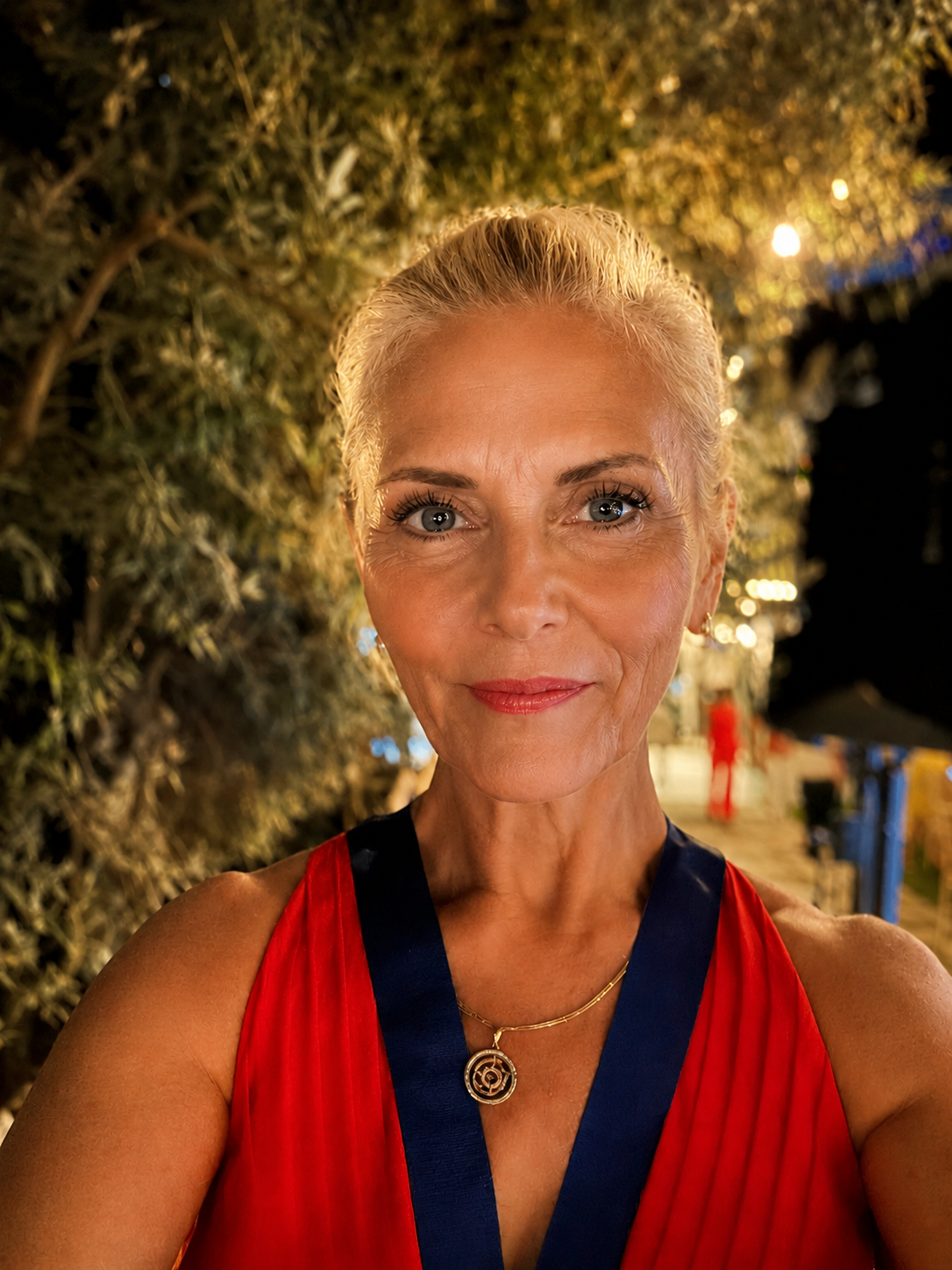
I’m Celebrant Rosie Anstey, and I conduct wedding ceremonies for everyone. Because I write every ceremony especially for my couples, I create a ceremony that feels right for them. I include all the things they want and leave out the things they don’t want. Therefore, creating a celebration that is right for them and their families.
Contact Celebrant Rosie Anstey
If you would like to find out more about how I can help you create a wedding day that fits with your values, then I would love to hear from you. From my bases in Dorset and Cyprus, I work in the UK, Cyprus, and internationally for Destination Weddings.