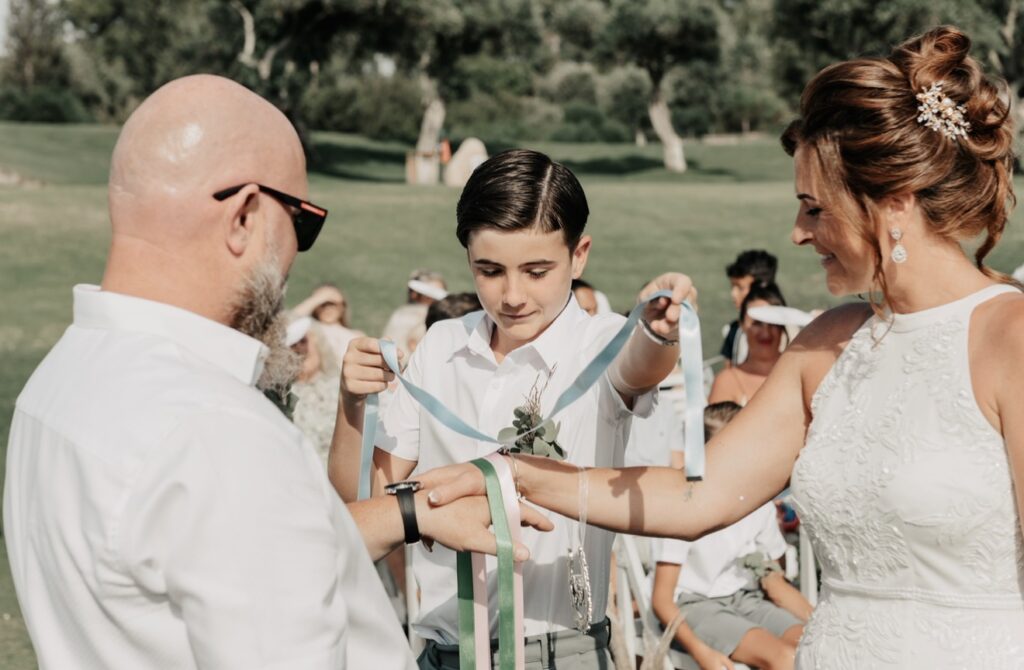
A wedding ceremony may last only half an hour, yet it can hold generations of love, history and expectation. The question of how to include family in ceremony planning is rarely simply about who walks down the aisle or gives a reading. It is about making the people who have shaped your lives feel seen, while protecting the feeling that this is, above all, your moment.
There is no single right balance. Some couples want a full, joyful gathering of voices; others prefer an intimate ceremony with only a few carefully chosen contributions. A beautifully personal ceremony gives family a meaningful place without allowing tradition, pressure or logistics to take over.
Begin with the feeling you want to create
Before allocating roles, decide what you would like your guests to experience as you make your promises. Perhaps you want a warm, relaxed celebration where everyone feels involved. Perhaps you are planning a formal ceremony with a few elegant moments of family participation. Or perhaps, particularly when family relationships are complicated, you want a calm and simple occasion with clear boundaries.
It can help to ask yourselves three questions: Who has supported us most? What family traditions genuinely feel like us? And what would we regret not acknowledging? Your answers will guide the decisions that matter, rather than leaving you trying to accommodate every suggestion.
In a destination wedding in Cyprus, family involvement can be especially moving. Loved ones may have travelled a long way to be there, so a short welcome, a shared ritual or a special role can make the journey feel even more significant. Equally, do not feel that travelling guests must be given a formal job. Their presence may be the gift.
Thoughtful ways to include family in your ceremony
A role should suit the person, not simply their place on a traditional wedding checklist. The most memorable contributions are often those that play to someone’s character: a confident speaker may enjoy a reading, while a quieter relative may prefer to take part in a symbolic action.
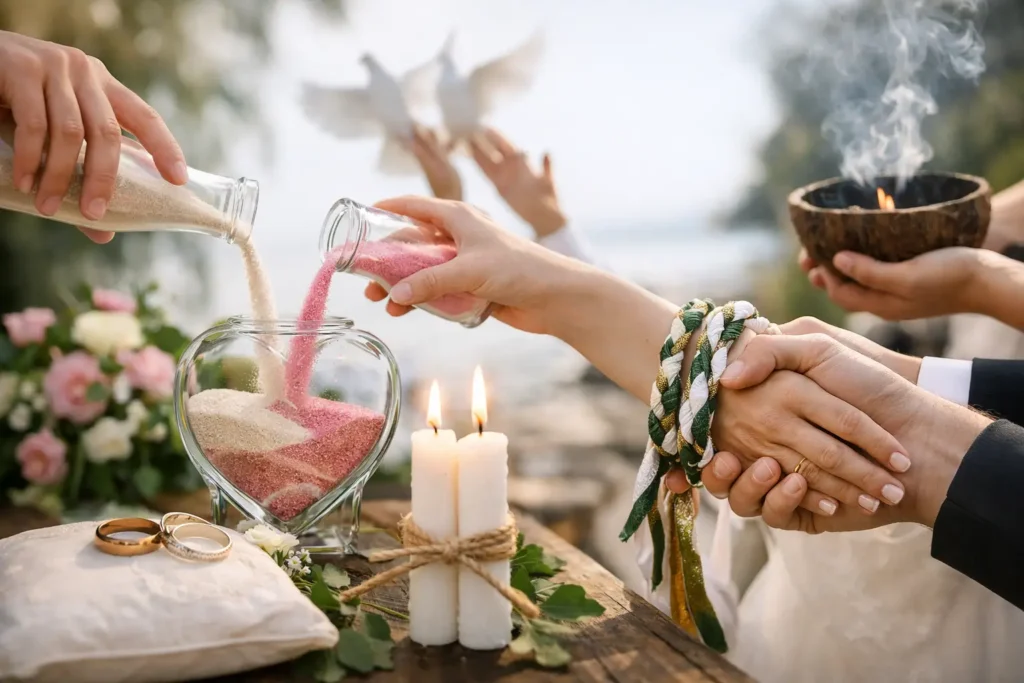
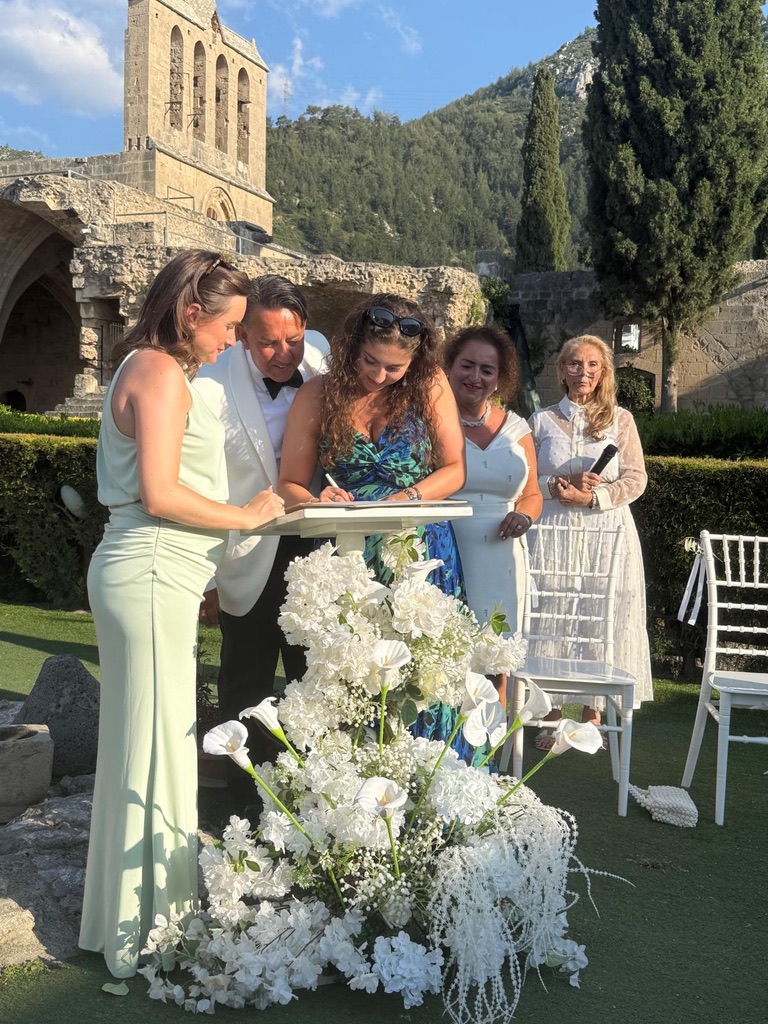
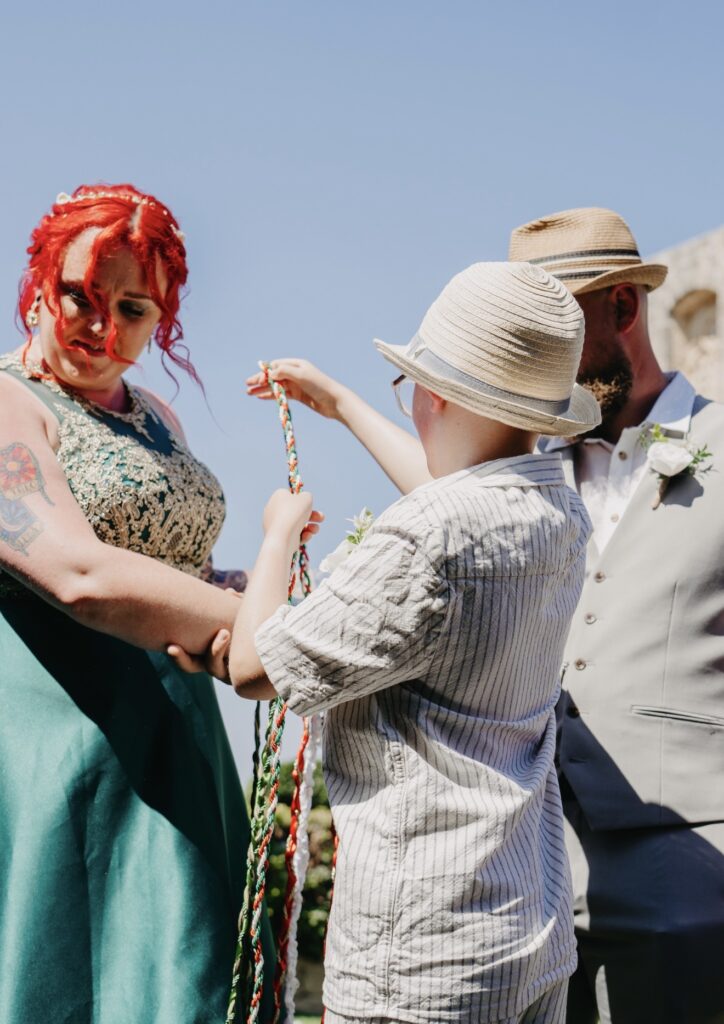
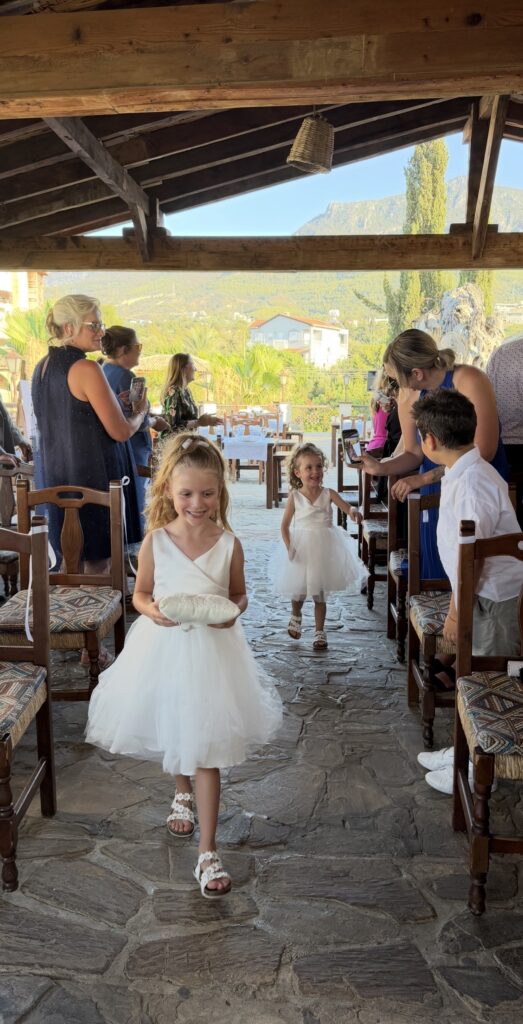
Parents, grandparents and chosen family can be welcomed into the ceremony in a number of ways. They might accompany one or both of you down the aisle, offer a reading, present the rings, light a candle, or sign a symbolic certificate as witnesses to your commitment. Children can scatter petals, carry rings where appropriate, hand over flowers, or take part in a family unity ritual.
If you would like several people involved, consider these distinct options:
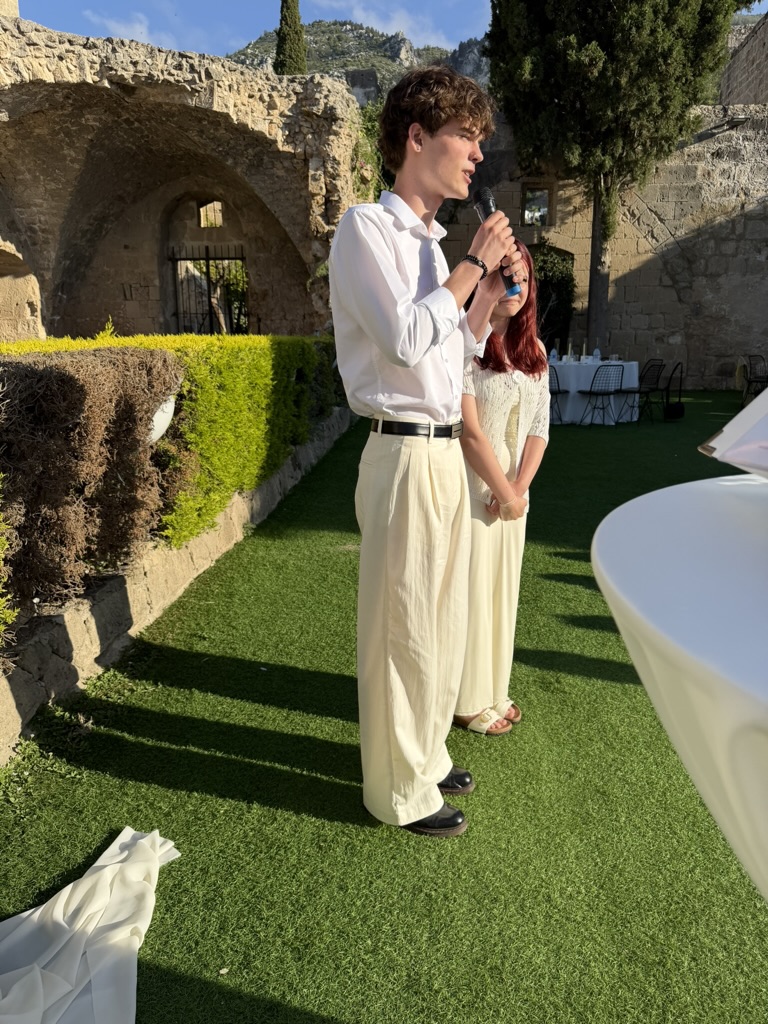
- invite a loved one to offer a short reading, poem or blessing;
- ask parents or grandparents to take part in a handfasting, candle-lighting or sand ceremony;
- include a sibling or close friend in a ring warming, where guests briefly hold the rings and offer silent good wishes;
- create a family promise, particularly if children are becoming part of a newly blended family.
A celebrant can shape these moments so they sit naturally within the ceremony rather than feeling like a series of separate performances. Timing matters. One well-placed reading or ritual can feel powerful; too many can dilute the emotional focus of your vows. Take a look at my Special elements and Rituals for ideas
Make space for those who cannot be there
Absence can be felt keenly at a wedding. If someone important has died, a gentle acknowledgement can bring comfort without changing the mood of the whole ceremony. This might be a line in the opening words, a mention of a treasured memory, an empty chair, a piece of jewellery worn close to you, or flowers chosen in their honour.
There is no requirement to make a public tribute. Some couples find that speaking a name aloud feels right; others prefer a private gesture before the ceremony begins. Both choices are loving. The key is to choose an acknowledgement that feels supportive rather than emotionally overwhelming on the day.
For relatives unable to travel, a recorded message can work beautifully at the celebration afterwards. During the ceremony itself, a letter read privately while getting ready, a small photograph held in a bouquet, or a brief mention in the script can be more intimate and less disruptive than a live video call.
How to include family in ceremony traditions
Cultural and faith-informed traditions can add texture, continuity and real meaning to a wedding. They are particularly valuable when two families or backgrounds are coming together. A ceremony can incorporate elements from more than one heritage with care, clarity and respect.
The important question is not whether a tradition is expected, but whether it has meaning for you. You may wish to include a blessing in another language, a family song, a tea ceremony, handfasting, a jumping of the broom, or a particular way of welcoming the couple. Explain the significance briefly so every guest can follow the moment and appreciate why it matters.
It is also perfectly acceptable to adapt a tradition. You might retain the symbolism while changing the wording, include both families rather than following a gendered custom, or choose a quieter version that suits a non-religious ceremony. Personalisation is not a rejection of heritage. Often, it is the most honest way to carry it forward.
Be kind and clear when family dynamics are difficult
Not every family story is straightforward, and wedding planning can expose old tensions. Divorced parents, estranged relatives, blended families and differing expectations all need thoughtful handling. Your ceremony should not become the place where anyone has to perform closeness that does not exist.
Try to make choices based on current relationships, not guilt or appearances. If one parent is walking you down the aisle, there may be another meaningful role for the other. If that does not feel right, a warm welcome before the ceremony or a private moment at the reception may be enough. Fair does not always mean identical.
Where a decision may disappoint someone, communicate it early and kindly. You do not need to justify every detail, but clarity prevents surprises. A simple explanation such as, “We are keeping the ceremony roles very small, but it means so much to have you there,” is often more effective than a lengthy defence.
A skilled celebrant can also take pressure off you by managing the order of the ceremony, giving clear instructions and ensuring everyone knows where to be. That quiet organisation allows you to focus on each other rather than worrying about who is holding the rings or when a reader should stand.
Keep contributions short, prepared, and personal
Family involvement feels most polished when everyone understands their role. Give readers their words well in advance and encourage them to practise aloud. Choose passages that sound natural in their voice, and keep them concise. A reading of one to two minutes is usually plenty.
For symbolic rituals, decide exactly who will be invited forward and what they will do. Rehearsing this is not about removing spontaneity; it is about helping nervous loved ones feel comfortable and ensuring the ceremony flows with ease. This is especially worthwhile when young children are involved, as their confidence and attention can change from one moment to the next.
If someone would be honoured by a role but anxious about speaking, offer an alternative. They could walk in with you, carry a meaningful item, help with a ritual, or simply be acknowledged by name in the ceremony. Inclusion should feel like a gift, never a test.
Let your ceremony reflect the family you are creating
The most moving ceremonies do not attempt to recognise every person in the same way. They make room for the people and stories that have genuine significance, then return to the reason everyone has gathered: the commitment you are making to one another.
Choose roles with love, explain them with kindness, and leave enough quiet space for your own words and emotions. When family is included with intention, they will not just witness your ceremony. They will feel part of the life you are choosing to build together.
Contact me
I would love to hear from you if you are looking for a bespoke ceremony in Cyprus or Southern England.